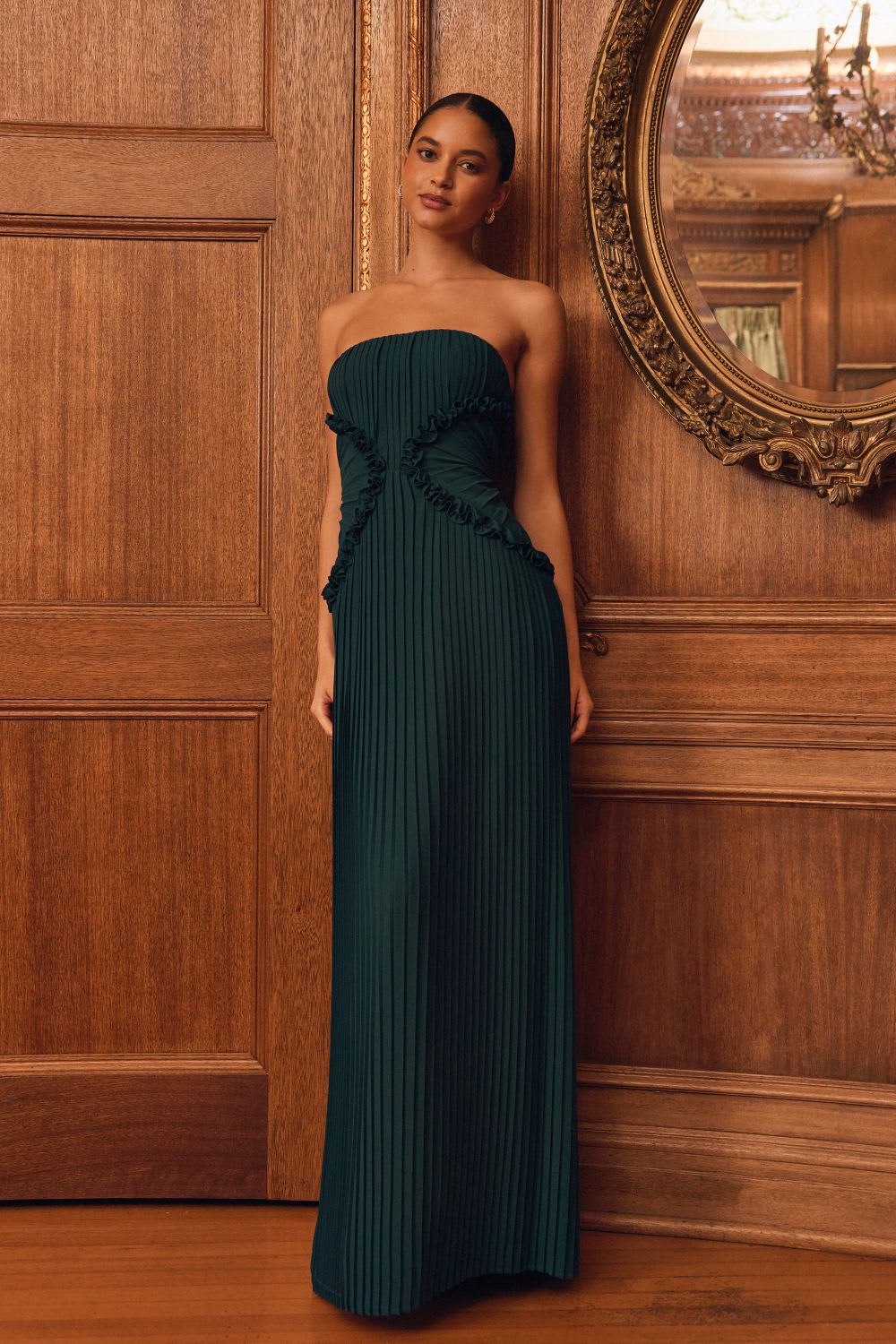
So, you’ve received a black-tie wedding invitation, and the dress code panic has officially set in—we get it. Finding the perfect black-tie wedding guest dress can feel equal parts thrilling and overwhelming, especially when formality often implies a serious price tag to match. But here’s the thing: even the most effortlessly dressed guests had to figure this out for the first time once. With the right rules in your back pocket and the best affordable picks at your fingertips, you’ll walk into that reception looking like you’ve been doing black tie forever, without the bill to prove it. From rules to shoppable picks, we’re answering all of your black tie questions and helping you find the perfect dress for both you and your budget.
The “Rules” of Black Tie
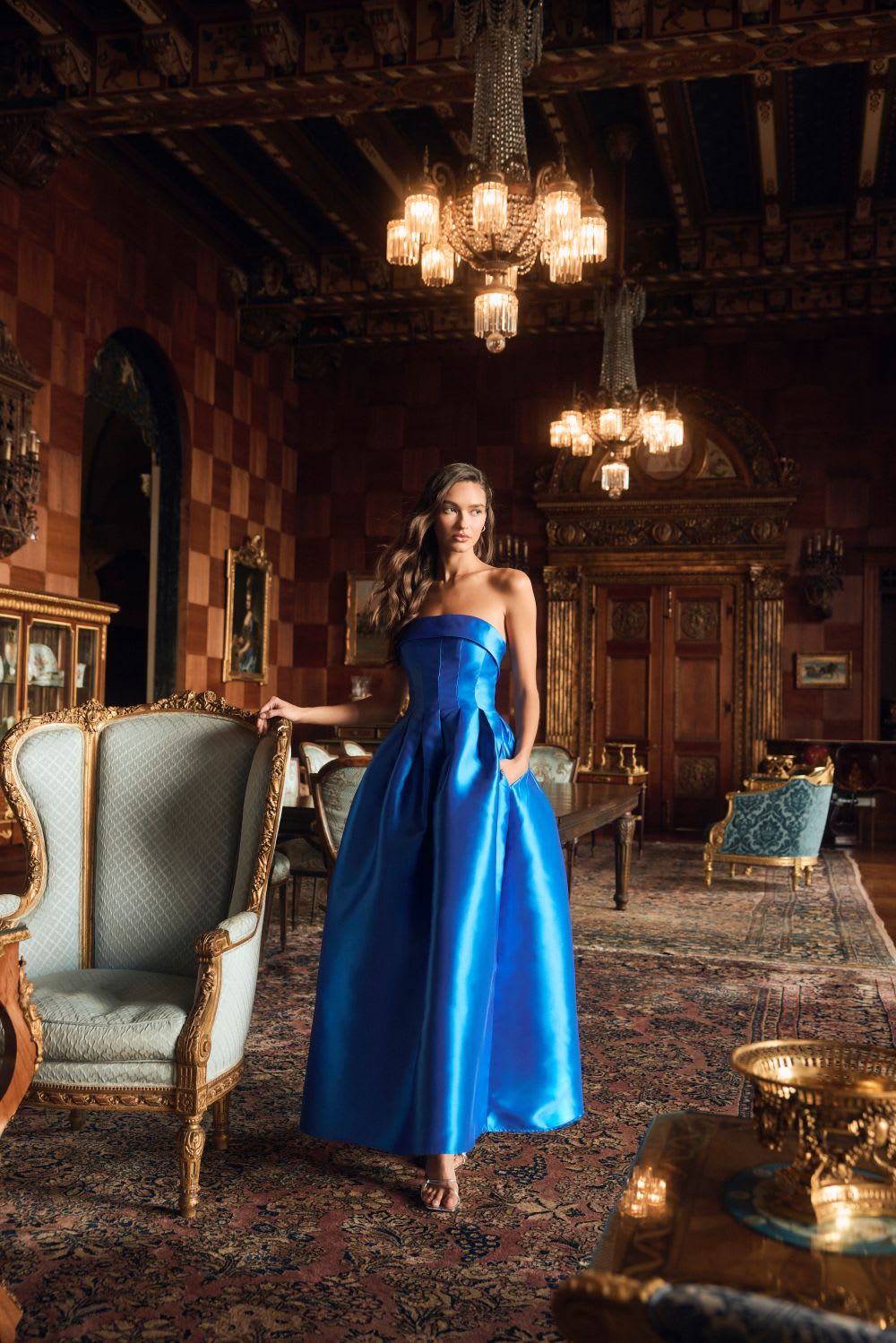
So who came up with the idea of black tie, anyway? The black-tie dress code has its roots in the formal evening attire of the 19th century. It began in the 1860s in England when the Prince of Wales (later King Edward VII) wanted a more relaxed alternative to the traditional white tie and tails. This look soon crossed the Atlantic and became popular in the United States, where it evolved into what we now recognize as the tuxedo.
So that explains what black tie means for menswear, but what about dresses? These guidelines can help you make your choices.
Basic Dos for Black Tie Dresses
Don’ts for Black Tie Dresses
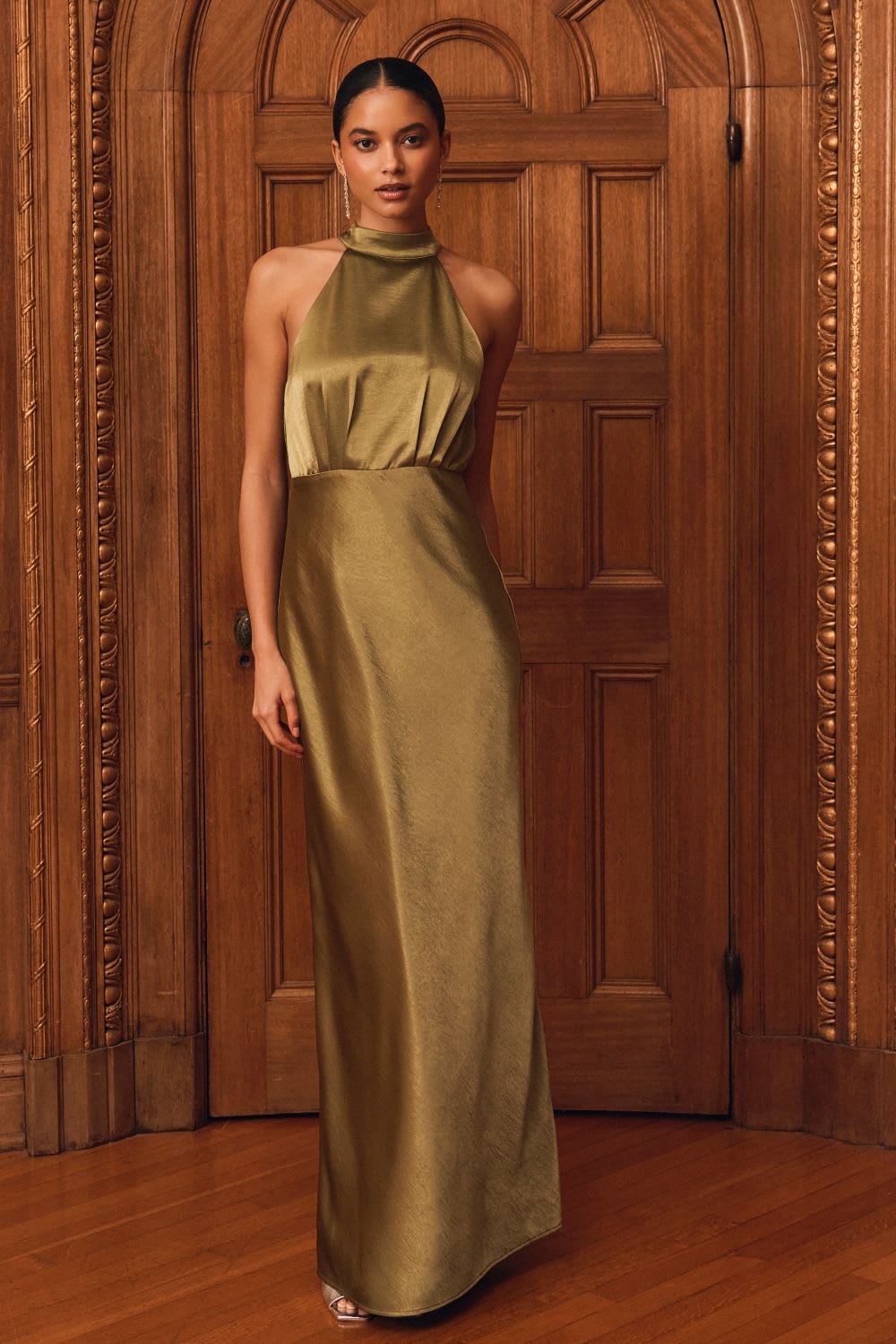
Where to Shop for Black-Tie Wedding Guest Dresses:
You can see many of our dresses in motion on our TikTok and Instagram, which is genuinely helpful when you’re trying to get a sense of how a fabric drapes or moves on the dance floor. And best of all, most of our black-tie dresses are under $200, with plenty of gorgeous, elegant options available for under $100. Black tie is about as formal as it gets, but it doesn’t have to be expensive — and when you shop Lulus, you can feel confident that your dress will have the solid construction, elevated fabric, and glamorous details that give a black-tie look its real wow factor.
Now that you know the rules and where to start shopping, what do they actually look like in practice? Let’s break it down, starting at the neckline and working our way down.
Black Tie Necklines
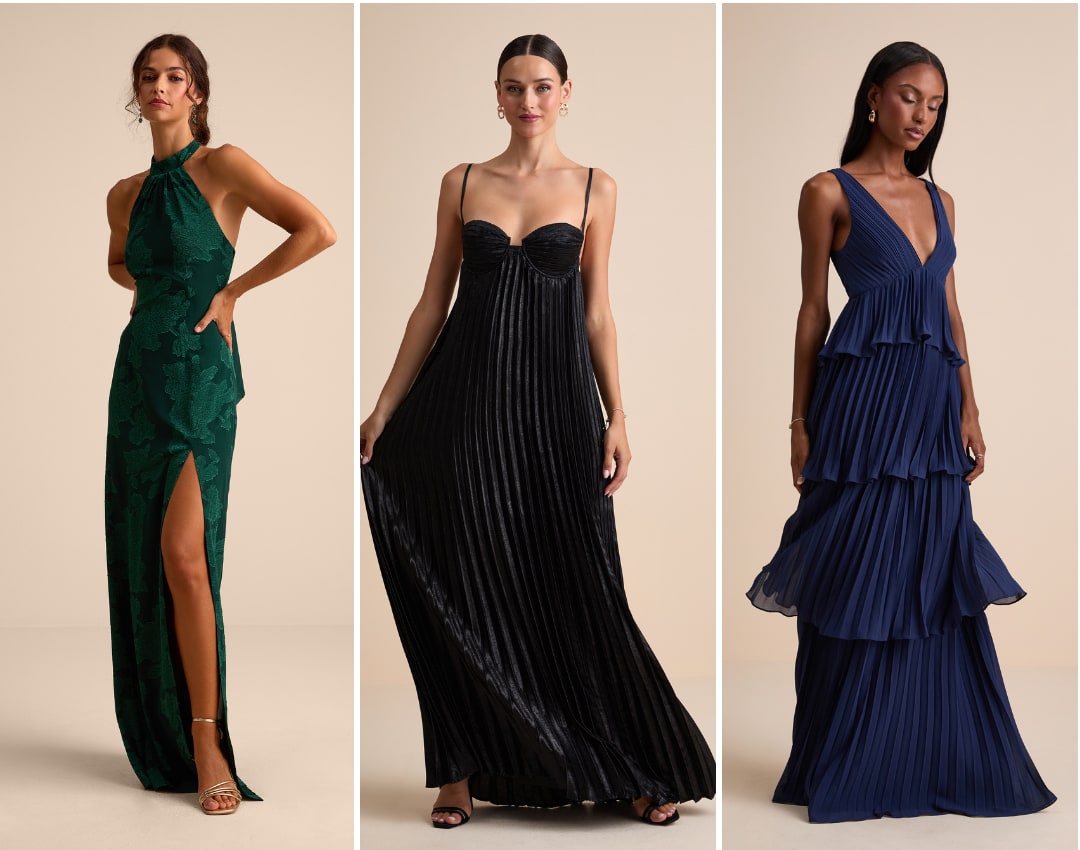
There are no rules for black tie necklines; they can be as plunging or high as you like. However, they should look elegant, and most importantly, they should make you feel comfortable in the dress. Whether you choose a strapless dress, a halter, a plunging V-neck, or another style, you want a look that’s refined and polished, but still authentically you. Don’t force yourself to wear something you hate because you think it’s dress code-appropriate.
Black Tie Sleeves and Straps
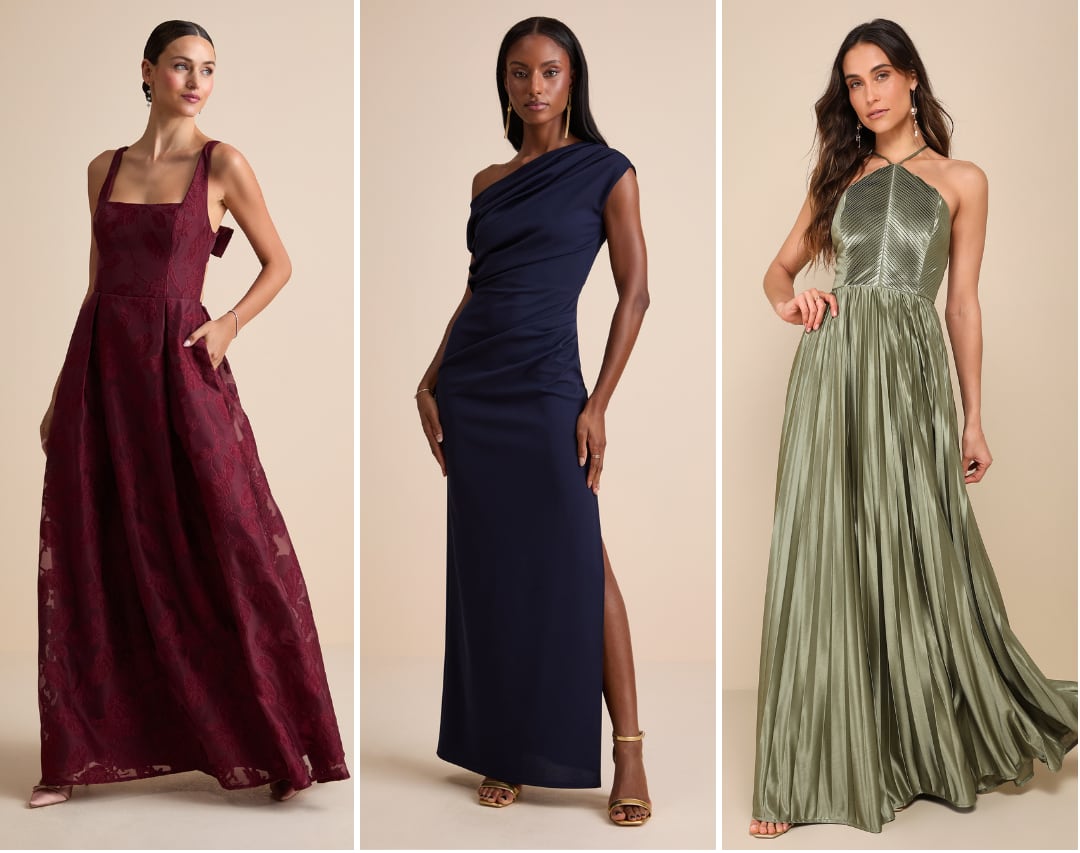
Many black tie gowns are sleeveless, but not all of them. Any sleeve length is fine, but it should be a seasonal decision. You’ll probably be a bit warm in a long-sleeved formal dress for a summer wedding! If you choose a gown with straps, they should be relatively wide and structured. Spaghetti straps are ok if the gown’s silhouette feels formal enough, but adjustable straps may feel out of place on a black tie gown. This is very much an individual judgment call! Pro tip: If you’ve found the perfect dress but hate the spaghetti straps, you can likely have it altered to be strapless.
Black Tie Hem Lengths
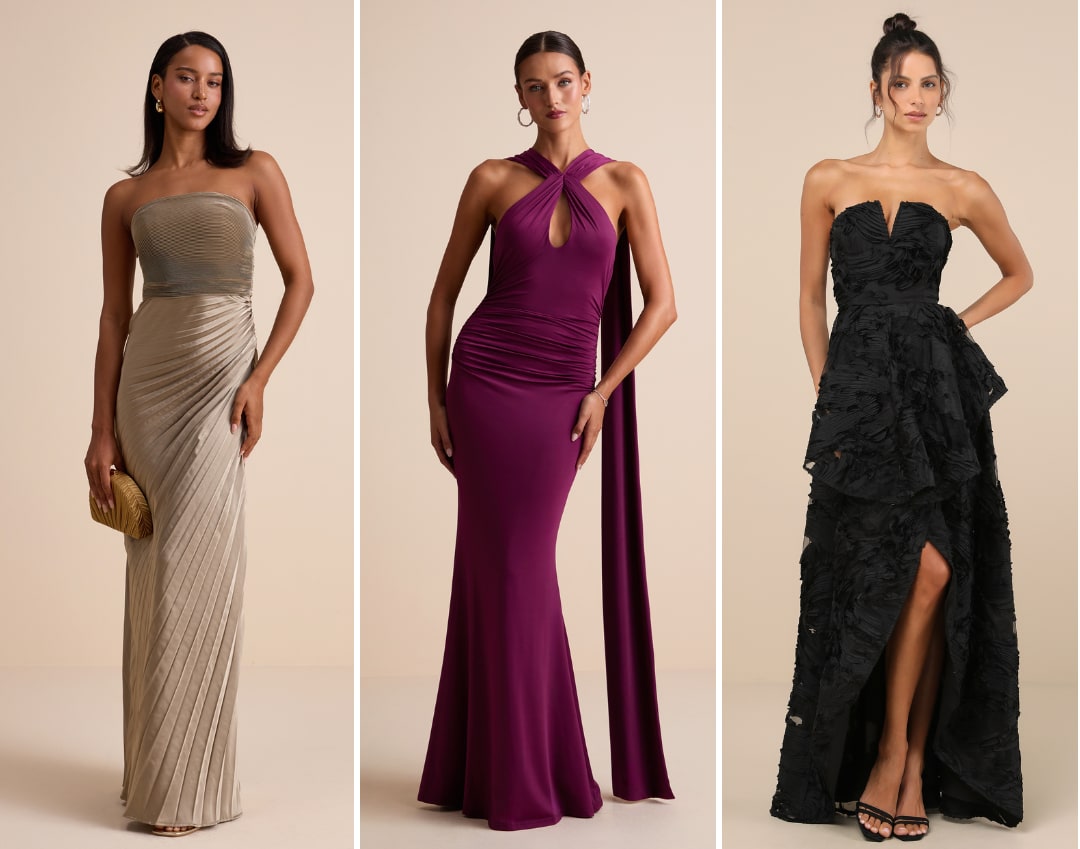
Black tie events are supposed to be held after 5:30 PM, which means evening dress. And for dresses, that means maxi length. High-low hemlines can sometimes be appropriate; if it’s a high-low formal dress, it’s probably fine, but now is not the time for your favorite high-low sundress! Does black tie have to be floor length? No. But at least part of the hem should touch the tops of your feet. You can fudge this a little bit, especially if you’re wearing a dramatic asymmetrical hem or something with ruffles or tiers, but you’ll feel out of place if the hem is too short– and nobody likes feeling awkward!
Black Tie Fabrics
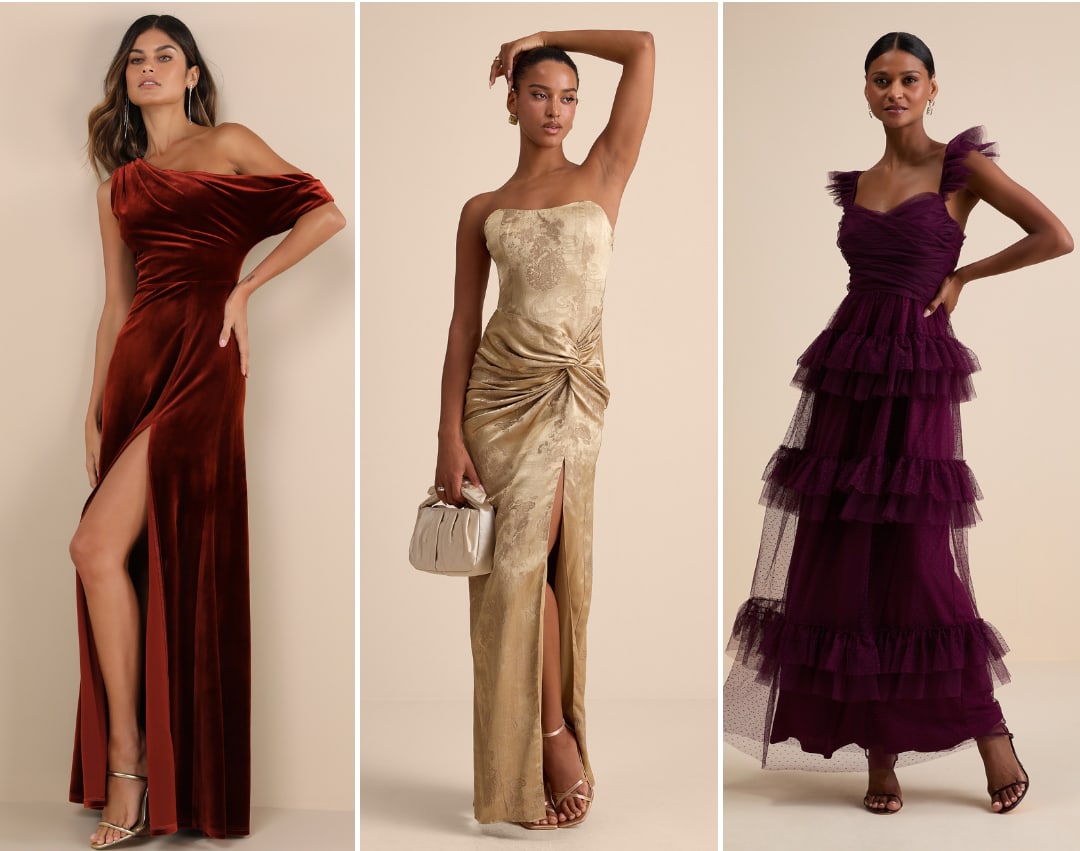
Typically, black tie gowns are made with elevated fabrics, like satin or silk. If you’re not into fabrics with shine, velvet or a high-quality synthetic weave are great alternative options. And don’t scratch your head asking, “Is polyester ok for black tie?” It absolutely is! The best rule of thumb for black tie is no stretchy fabrics. At least, no stretchy fabrics that you can see. Some black tie dresses have a stretch knit liner with an outer shell made from a more sophisticated fabric option. You might find that dresses like this are the best of both worlds!
Black Tie Embellishments
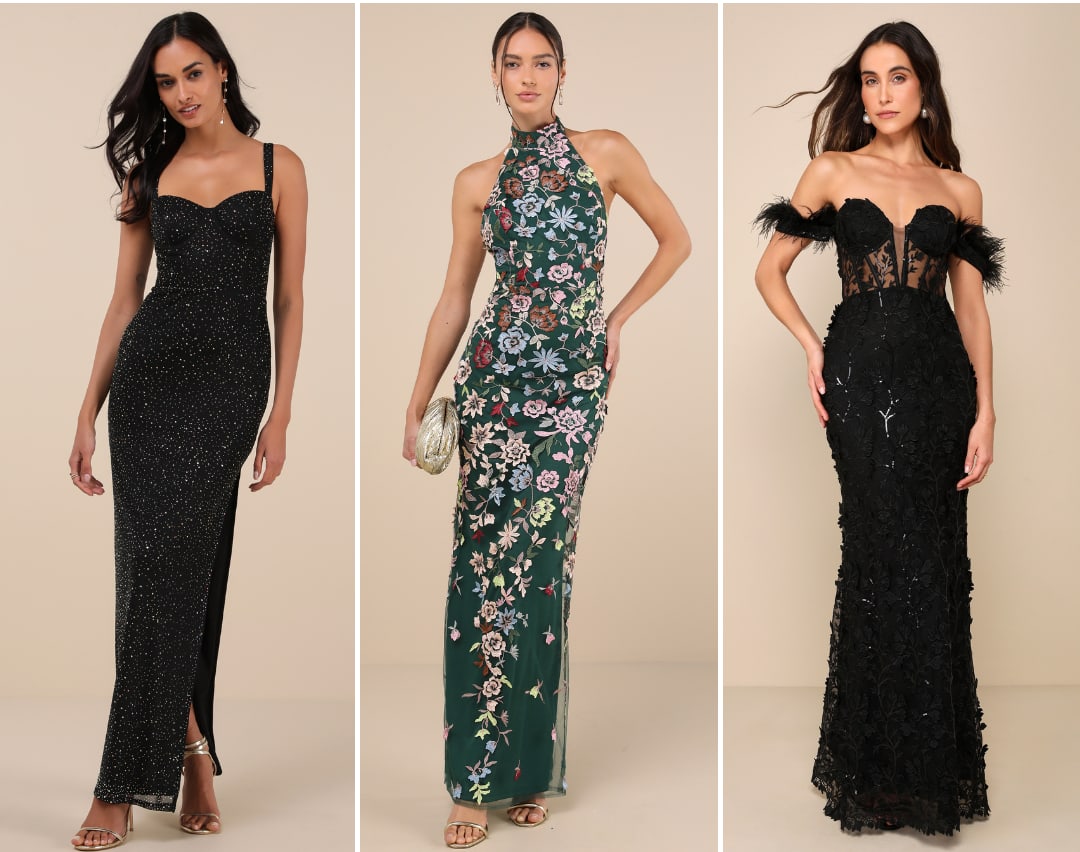
A black tie wedding is the perfect excuse to pick a dress that’s a little, well, extra. Extra frills, extra decoration, extra oomph! Ruffles, pleats, tiers, embroidery, beaded fabric, and even 3D embellishments all have their place on a black tie gown. While you don’t want to go too over the top with adornments, you can still have a lot of fun with your black tie outfit. (And if that’s not your style, a simple silhouette looks elegant on everyone!)
What would you wear to a black tie wedding? Show us on Instagram and TikTok @Lulus using #LoveLulus, and feel free to ask any questions you might have about the rules of this dress code! And if you’re looking for elegant long evening dresses for the next wedding on your calendar, our Black Tie Wedding Shop has you covered!
Join The Conversation (0)