
For millions of years, human feet were likely bare or only covered by sparse footwear that wasn’t good enough to protect feet from thorns, rocks, rough terrain, or lacerations. Eventually, people started wearing sandals in warmer climates or moccasins in colder environments to add warmth. Shoes like these were initially designed only to protect the feet while walking and weren’t meant for any fashion-related purpose. Over time, however, shoes changed to serve a range of purposes and include lavish designs.
Ancient Shoes
Shoes have existed in various ways throughout most of human history. During ancient times, shoes were relatively simple as they existed solely to protect your feet. In the case of the Cro-Magnons, these were simple leather boots to keep their feet warm during cold and severe weather. In Egypt, the general population used sandals made from papyrus. Those from a well-off family, though, wore leather sandals instead. In Rome, people of different classes wore different types of shoes. Slaves, for instance, were barefoot. Most Roman people wore a closed shoe outdoors called a calceus and a flip-flop-like shoe called a solea inside. Roman soldiers wore sturdy boots called caligae. The shoes from all these different places were less ornamental and more designed to shield the feet from injury, especially for poorer people. For well-off families, they had access to better materials to create sturdier and more reliable shoes.
Shoes of the Middle Ages
The Middle Ages were the first time shoes became less about comfort and safety and more about fashion. Ordinary people wore clogs with round toes and wooden platforms. However, the upper classes in Europe became obsessed with a shoe called the Crackow, believed to have originated in Krakow, Poland. The Crackow was a peaked shoe with a long toe that made it almost impossible to walk around for the person wearing it and everybody around them. The Middle Ages were also the first era where shoes were produced differently. The Middle Ages set the foundation for shoes as we know them today, form-fitting, comfortable, and even stylish.
Renaissance Shoes
Style became incredibly important during the Renaissance. There were far more different types of shoes that people began to wear. Many wore slip-on shoes tied with latches, but heels became popular in the late 16th century in England. That became another new style of shoes that started trending throughout Europe. Some people also opted to add deliberate cuts in their shoes called slashes.
19th Century Shoes
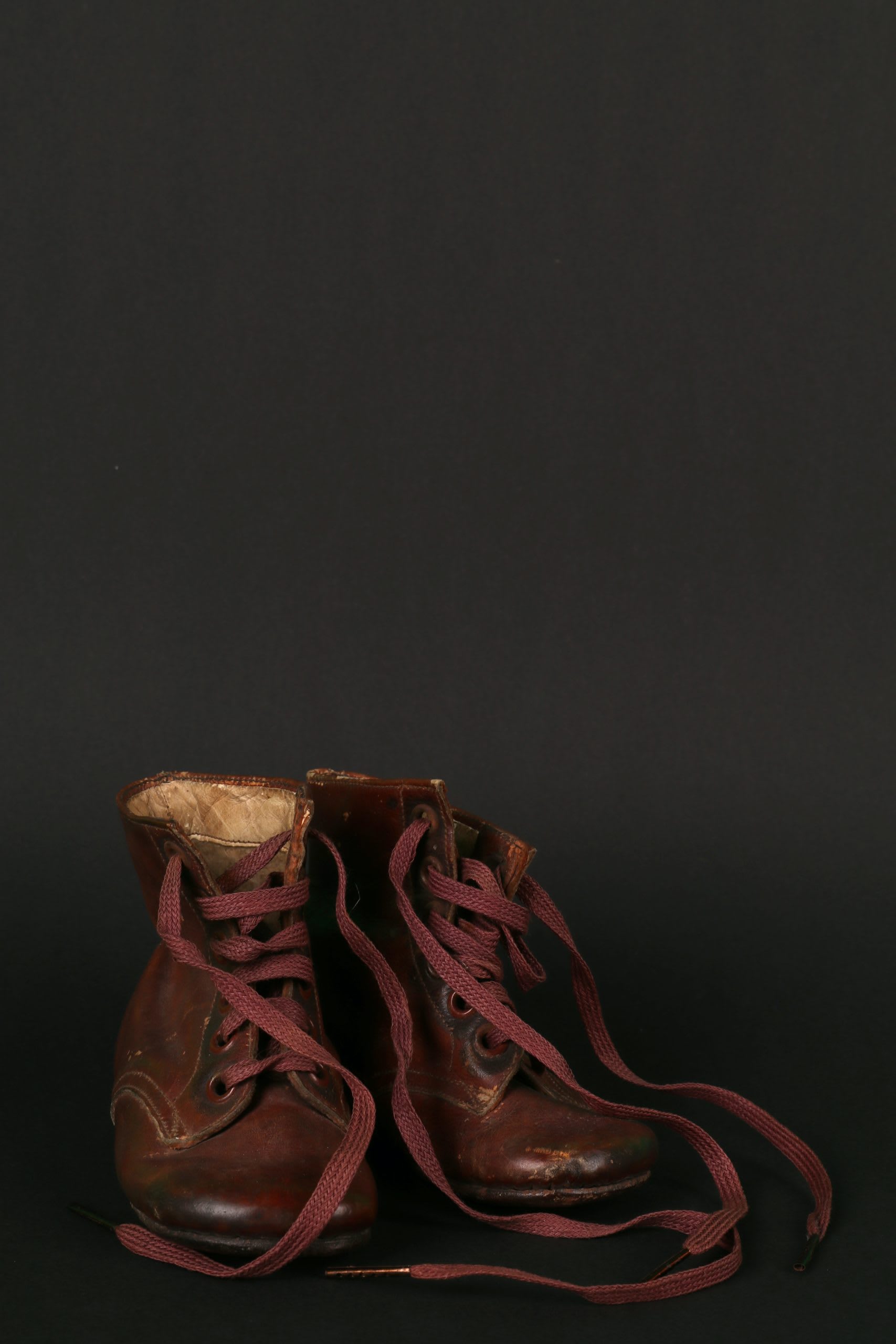
Before the 19th century, shoes were commonly interchangeable instead of having a specific one for the left foot and a specific one for the right foot. In the early 19th century, shoemakers began to make specially designed shoes for their clients by measuring both feet and creating shoes around those measurements. Not only was it easier than ever to make better-designed shoes thanks to the invention of the rolling machine and the sewing machine, but it also paved the road for mass-produced shoes. As a result, shoes became much more affordable. Boots were the most popular shoe type men and women wore during this time. When the century began, most boots used leather, but a new type of boot changed that. This new boot was made of rubber and named after the Duke of Wellington.
20th Century Shoes
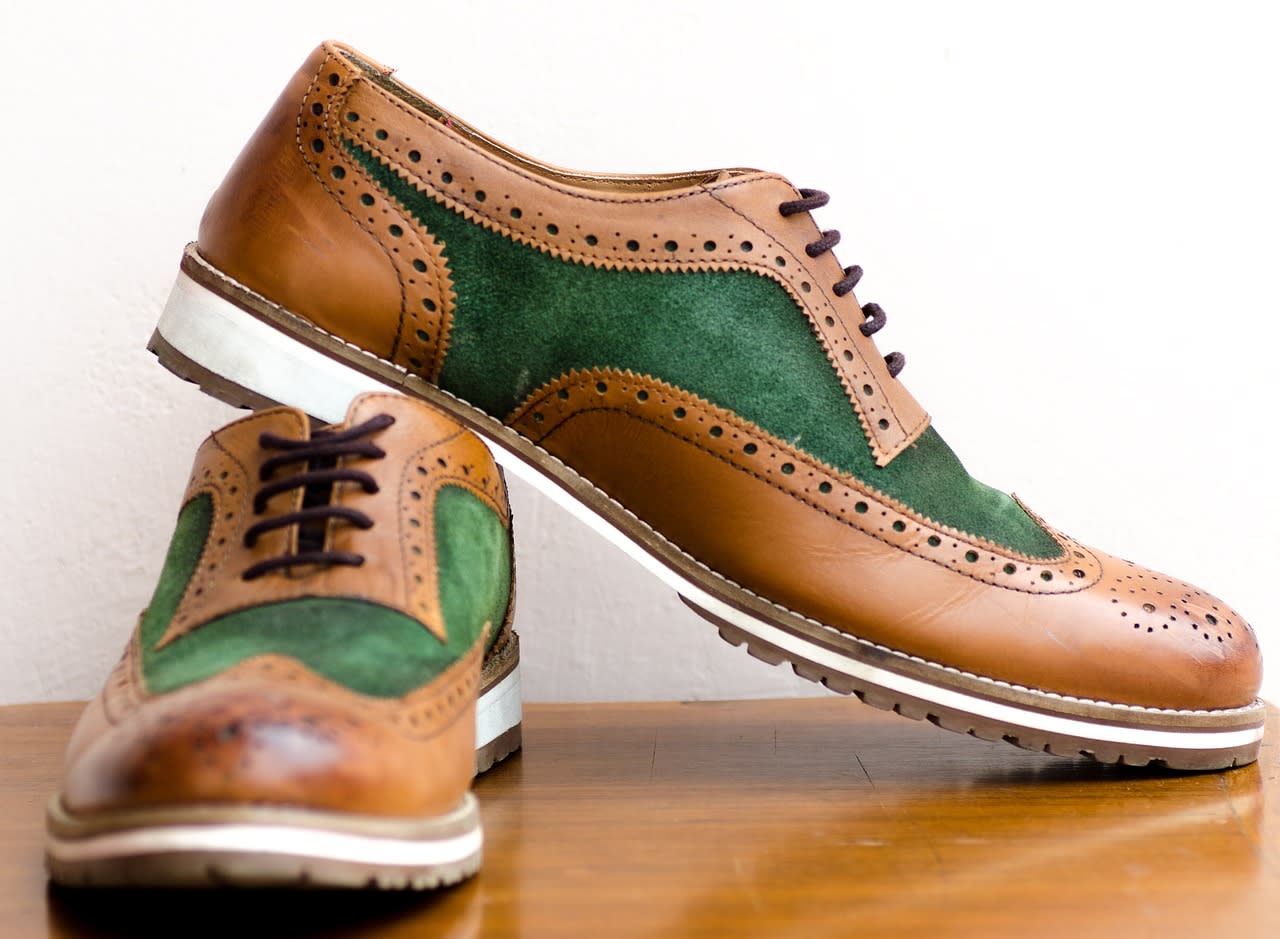
With rising living standards, there was an increase in the types of shoes available. Fashion changed a great deal during this century, and shoes were alongside it. For example, in the 1920s, women often wore shoes decorated with intricate beading. But in the 1940s, while World War II was raging on, people wore simple clogs because many other materials like leather were in short supply. With the mass production of shoes kicking into high gear, shoes were also more affordable than ever.
- History of Shoes Timeline
- Fashion History Timeline: Moccasins
- The Pointe Shoe, A History
- High Heeled Shoes Were Originally Created for Men
- Nike History and Timeline
- Shoes: A History From Sandals to Sneakers
- A Fascination With Shoes
- Footwear-Focused Fun
- Lotus Shoes: Stories Between Stitches
- The Engineering Behind Shoe Design
- Shoes in the Costume Design
- 10 Facts About the History of Shoes
- If the Shoe Fits: The Gendered Connotations of Footwear in Art History
- Historical Shoe Trends, Sexual Constructs, and the Need to Take Up Space
- The History of Shoes
- Shoe History, Types, & Materials | When were Shoes First Made?
- Shoe Designs Before 1900
- The History of High Heels: From French Kings to Carrie Bradshaw
- These 18th-Century Shoes Underscore the Contradictions of the Age of Enlightenment
- World’s Oldest Leather Shoe Found Stunningly Preserved
Join The Conversation (0)