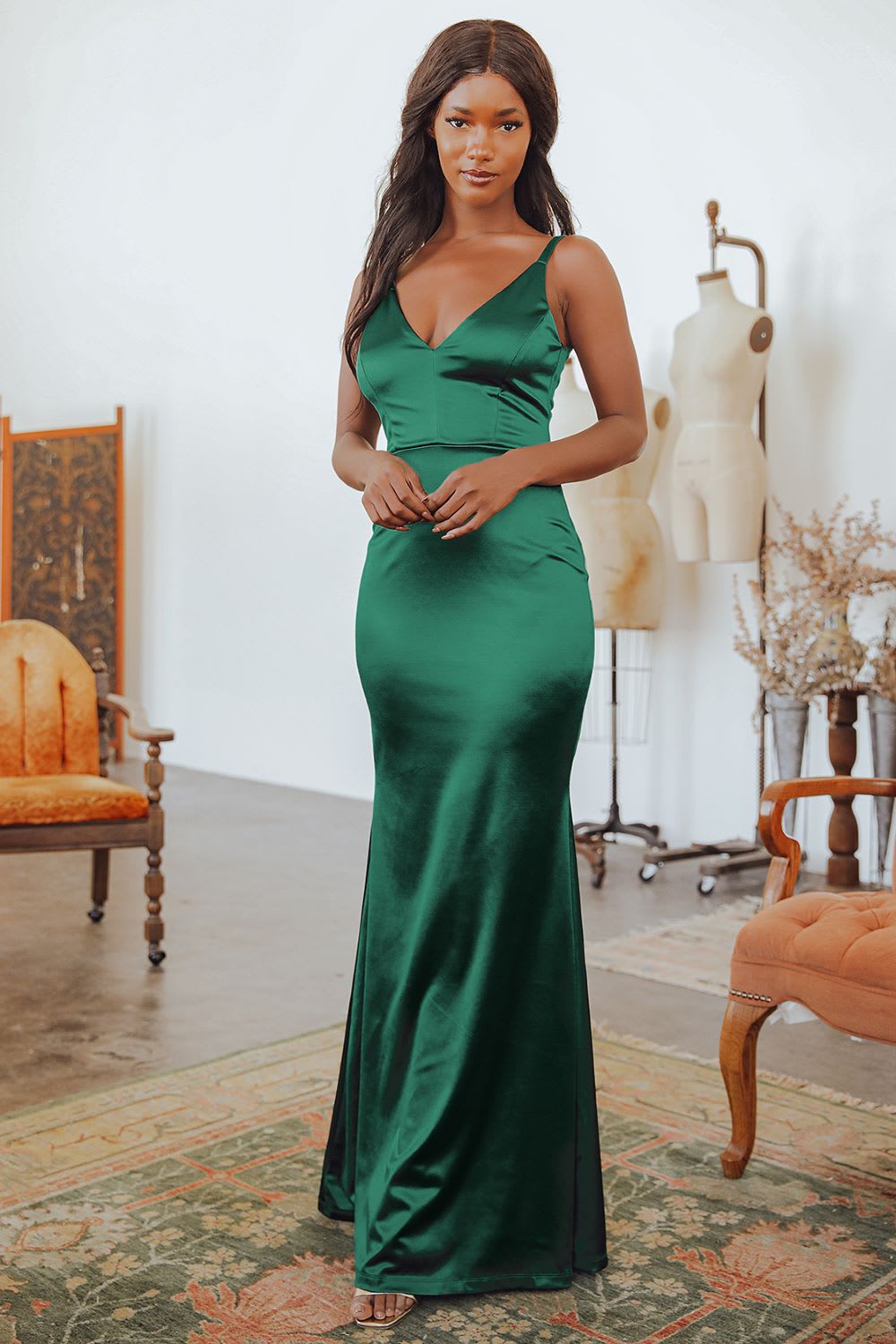
Part of the magic and mystery of television, film, and stage performances is the elaborate costumes and wardrobes. These productions employ large teams of workers to find, stitch, mend, and create every type of costume necessary to accurately represent the time period of the production. Clothing and fashion have always been an indicator of status, wealth, and position in society, as much today as it was 2,000 years ago. For example, a person’s watch can tell a lot about them. A shiny Rolex is seen as a symbol of wealth and sophistication, while a functional Apple watch might indicate that the user is an exercise junkie. As such, historians, archaeologists, and anthropologists are constantly debating what certain colors, accessories, and garments meant to their wearers in each time period. Costume designers and wardrobe specialists then use this research to depict different historical periods in films and plays. Re-creating these costumes on the stage and in film is crucial to lending credibility and accuracy to the production.
Ancient History
- Roman Clothing: Roman society was based on hierarchy and class, and their manner of dress reflected their place in the social strata. Here’s a good overview of the different items in a typical Roman wardrobe.
- Clothing and Dress in Ancient Israel: Biblical canon and texts often feature clothing as a focal point of their passages and parables, as it indicated social status and wealth.
- Metropolitan Museum of Art: Greek Fashion and Dress: The Met is one of the foremost museums in the world and is well-informed on the costumes and dress of ancient Greeks, who were known for their stage performances.
Medieval
- Clothes in Medieval England: The medieval social structure was very gentrified, with the nobility living a much better life than the peasants. Their wealth allowed them to buy finer garments that were usually dyed.
- Women’s Fashion, 1460-1469: A woman’s fashion choices were an indicator of her social status in the 1400s just as much as they are today.
- Medieval Clothing: If you’ve ever dreamed of living in a medieval castle, you may want to think again. This informative article on the available clothing for medieval peasants doesn’t make it sound too comfortable.
Renaissance
- Italian Renaissance Fashion: Dresses covered with gilt ornaments, jewels, petticoats, and puffed sleeves were part of Italian renaissance fashion.
- Elizabethan Outfits: You may already be familiar with some of these styles and designs, as the Elizabethan period in England coincided with William Shakespeare’s rise as a playwright.
- Globe Theatre Costumes: The fabled Globe Theatre in London is where Shakespeare staged a large number of his plays. Actors did their best to match the time period of the play, sometimes poorly, as many of Shakespeare’s plays were set in antiquity.
- What They Wore During Shakespeare’s Time: Take a quick look at the fashions in England in the late 1500s, both on the stage and in the royal castles.
1800s
- European Clothing Around 1800: Eli Whitney invented his cotton gin at the turn of the 19th century, making cotton production easier.
- History of Fashion 1840-1900: The Victoria and Albert Museum is one of the foremost institutions for art and design. Here, they provide a breakdown of men’s and women’s fashions in the Victorian era.
- Victorian Women’s Fashion: Victorian fashion is known for its dresses and tight corsets on women. This style has long been modified, copied, and tinkered with.
- Civil War Ladies’ Clothing: The Civil War has long been a subject for television, stage, and film productions, and great efforts are made to re-create the uniforms and everyday clothing as accurately as possible.
1900s
- 1920s Fashion: See how the flapper looks from the 1920s continue to influence women’s fashion to this day.
- Fabulous 1950s in Film Fashion: As the film industry continued to boom after World War II, an actress could be seen as a fashion trendsetter.
- 1980s Fashion in Movies: The fashion of the 1980s, from punk rock to bright neon and big hair, still inspires nostalgia and retro imitators today.
- Scarface: Ten Iconic Looks by Michelle Pfeiffer: The 1983 movie Scarface has become synonymous with the 1980s, Miami, and the fashion that went along with that lifestyle.
Additional Resources for Theater
- Costume Design
- Folger Shakespeare Library: Costumes in Julius Caesar
- Costume and Dress in the Middle East From the 6th Century A.D.
- Iconic Costumes in The Matrix
- How Do You Lay Out Your Stage Lighting?
- Stage Lighting 101: Understanding the Basics
- American Association of Community Theater: Costume Designer
- What Does a Costume Designer Do?
- The Silent Voice of the Costume Designer
- Setting the Stage: Building Theater Sets
- Stage Terms to Know
- What Actually Happens Behind the Scenes
- The Magic of Creating Believable Special Effects
- Special Effects at Shakespeare’s Globe
- Basic Costume Items Every Drama Student Should Own
- How to Create Your Own Medieval Costume
Join The Conversation (0)