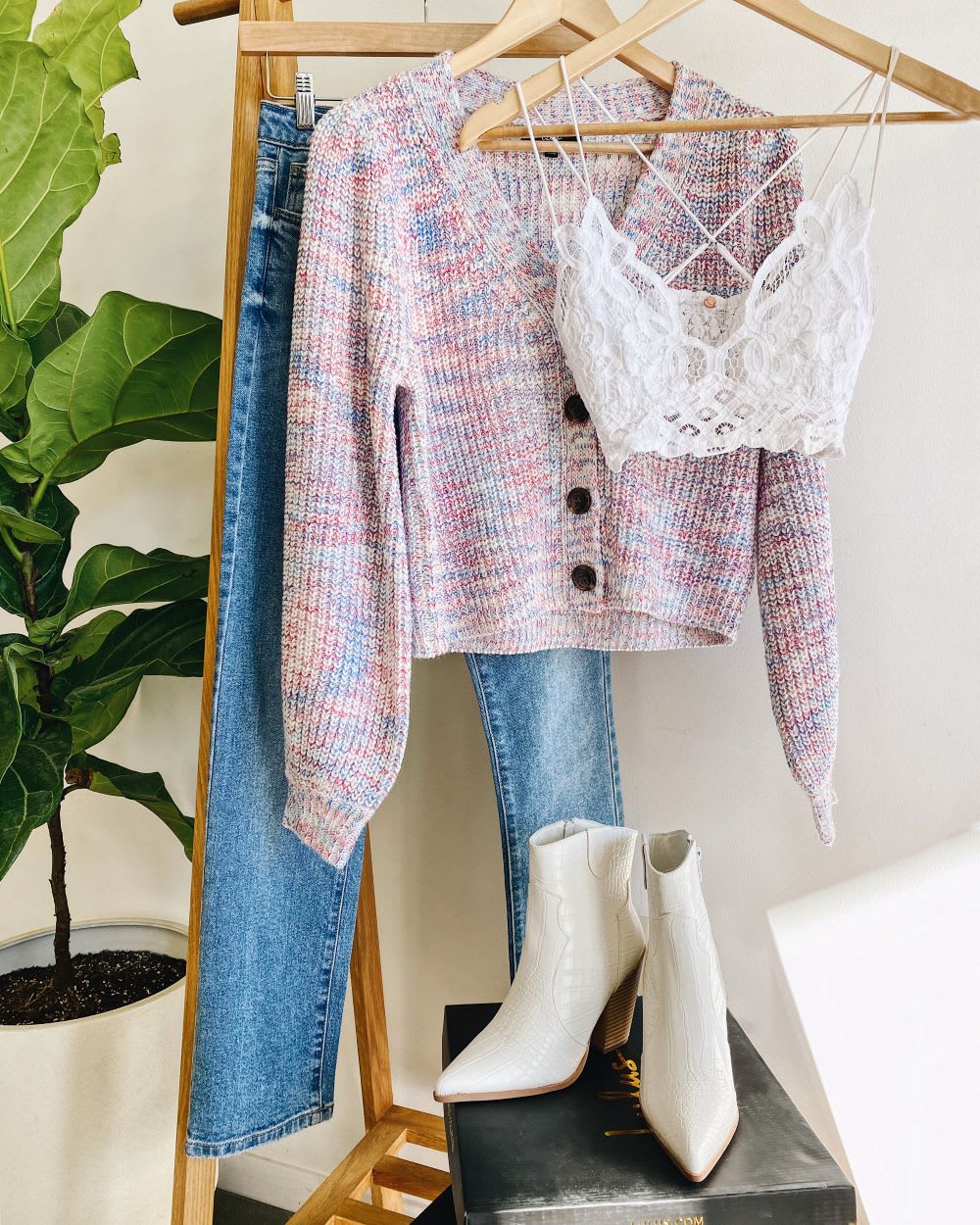
Fashion is an expression of a person’s personality; every article of clothing is a choice that shows off the colors, fabrics, and styles that a person appreciates. While this is true, fashion also represents societal norms, politics, and culture.
1900s: At the start of the twentieth century, fashion was relatively similar to how it had been in the previous century. Women wore the Gibson Girl structured silhouette, modest dresses with molded corsets, and other adornments. Modesty was the emphasis in the 1900s, which is why bustle dresses and gloves were popular during this time. Bustles were padded undergarments to add fullness and drapery to support the heavy fabrics of the dress and keep them from dragging on the floor. Gloves finished off women’s respective wardrobes. During the day they typically wore leather or suede gloves around the house and for special occasions or evening affairs they wore longer gloves that were silk-lined or made of lace.
1910s: This decade was split into two periods: before World War I and after World War I. The war had a huge effect on society and culture, which led to a shift in fashion. The decade opened with softer silhouettes, with S-shape corsets that naturally phased out throughout the years. The change in silhouettes came about due to the legendary French designer Paul Poiret who came to his height of fame when he broke away from the Edwardian style, created unique styles with looser design shapes, and introduced a more vibrant color palette. His designs dominated the first half of the decade because they were so inventive. Near the end of the decade, when the U.S. entered the war, the country began to feel its effect on fashion. Styles became more simplistic, with barrel-like silhouettes that had long skirts that were tubular that confined the body to a cylindrical shape.
1920s: The simplistic barrel-like designs that came about at the end of the previous decade continued on in the 1920s. In the previous decade, simplicity was key and that continued on into this decade. Thanks to social change after the war, women felt empowered and so their clothing reflected this. Flapper dresses became popular as they were looser and paired with the short bob hairstyle worn alongside the ensemble, it allowed for a more androgynous look. Dresses during this time kept the simplicity that came about during wartime, but paired them with fun embellishments, like patterned outfits, fur coats, and pearl necklaces. Outfits were topped with the popular cloche hat, which grew in popularity thanks to its unique bell shape with a simplistic decoration to adorn its low brim.
1930s: While the 1920s emphasized a more androgynous look, the 1930s focused on a more “feminine silhouette.” During this time, dresses moved back down to the ankle, but they became tighter and more fitted to every woman and thanks to Hollywood truly making its start during this time, it became known as the “Golden Age of Glamour.” Clothing was all about accessible extravagance, which made ready-to-wear clothing more popular because it could emulate the designs Americans saw on the screen that they could imitate in their own lives. Evening dresses became especially popular, they often had low backs, were made of satin, and came in abstract patterns.
1940s: At the beginning of the 1940s, the United States entered World War II and thousands of men were drafted into the war, so more women had to enter the workforce to fill the jobs left vacant. These jobs all required workwear, clothing that fit the demands of the workplace, like boiler suits, jumpsuits, or coveralls. They donned loose-fitting clothing that didn’t need to be restrictive and the industrial look became very popular as fashion during the war because the clothing was rationed. American designers like Norman Norell and Claire McCardell thrived during wartime by creating high-quality designs that filled the void from French designers and made use of materials that were not being rationed, like sequins, denim, seersucker, and jersey.
1950s: The end of the 40s brought overseas designers back to America. Popular designers like Christian Dior, Balenciaga, Coco Chanel, and others emerged during this time. These new designers coupled with a time of domestic refinement led to a popularization of swinging circle skirts, peter pan collars, and pearl jewelry. These outfits were designed to mimic the lifestyle of the TV character June Cleaver in order to obtain an air of elegance and perfection.
1960s: In the early 60s, First Lady Jacqueline Kennedy defined elegance, and women in the United States strove to imitate her iconic looks. The most popular style she brought about was the pillbox hat. The 60s also brought about the Second Wave of Feminism, which was evident in clothing styles like the babydoll dress, which was a high empire waistline with an ultra-short hem length. It was popularized by celebrities like Twiggy. Women during this time also began wearing pants more often, usually in a high-waisted cut with slim-fitting legs paired with low heels, flats, and pumps.
1970s: While pants were first starting to come into style again for women in the 1960s, in the 70s they took off, especially flared bell-bottoms, which gained popularity late in the 60s and continued through the late 70s. They were fashionable and versatile enough to be worn casually as jeans or out to the disco in bright colors and elaborate patterns. The popularity of disco brought about a resurgence of platform-style heels, which were originally created in 15th century Venice, but had tapered off in popularity. Disco required excessive outfits and so it needed shoes to match the elaborate and loud outfits.
1980s: As the disco craze faded, the rise of metal took its place, bringing about a new drastic change of style. Black leather jackets and band T-shirts were the looks of the 80s after, Madonna’s iconic music video looks. She brought punk style to mainstream attention. When it came to the workforce, an unprecedented number of women were entering offices, sparking a need for menswear styles adapted for the feminine body to create a classic professional appearance called power dressing. These styles brought about the popularity of shoulder pads, which could be found in many styles of blazers, tops, and dresses!
1990s: Music and culture continued to pave the way for how fashion changed in the 1990s. As hip-hop music became mainstream, so did clothing like tapered pants, Nike Air Jordans, and baseball caps. After the 1995 movie Clueless premiered, plaid sets of a matching blazer and skirt combination also became a popular staple for women’s closets. This decade brought about a resurgence of men and women alike purchasing name-brand clothing more often than in previous decades.
2000s: The turn of the twenty-first century brought about looks very different from the styles that were popular a century before. In the early 2000s tracksuits were some of the most popular items people wanted, thanks to the celebrities of the time being photographed wearing multiple different pairs of velour tracksuits. They were colorful ensembles with low-rise pants with a matching sweatshirt and were designed to be worn for any occasion. Low-rise pants were a popular trend all across the board with jeans, miniskirts, and pants also featuring the same silhouette.
Join The Conversation (0)