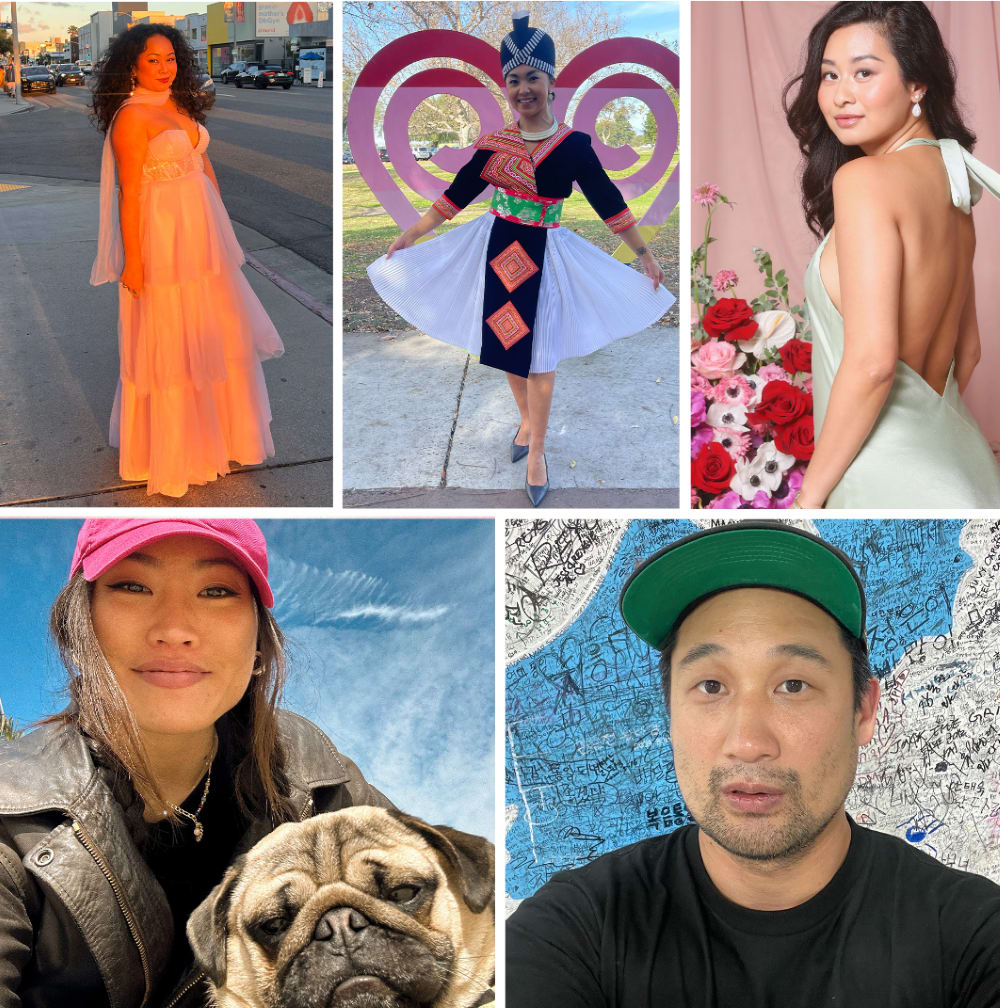
In celebration of AAPI Heritage Month, we’re honored to spotlight some of the incredible individuals who make up our Lulus community—including talented team members and passionate members of the Lulus AAPI Affinity Group. This month is all about uplifting Asian American and Pacific Islander voices, sharing meaningful stories, celebrating rich cultural traditions, and reflecting on what AAPI Heritage Month means to each of them. Join us as we shine a light on their experiences, heritage, and the powerful ways they continue to shape and inspire our world.
Daniel Bang, VP Finance
Korean
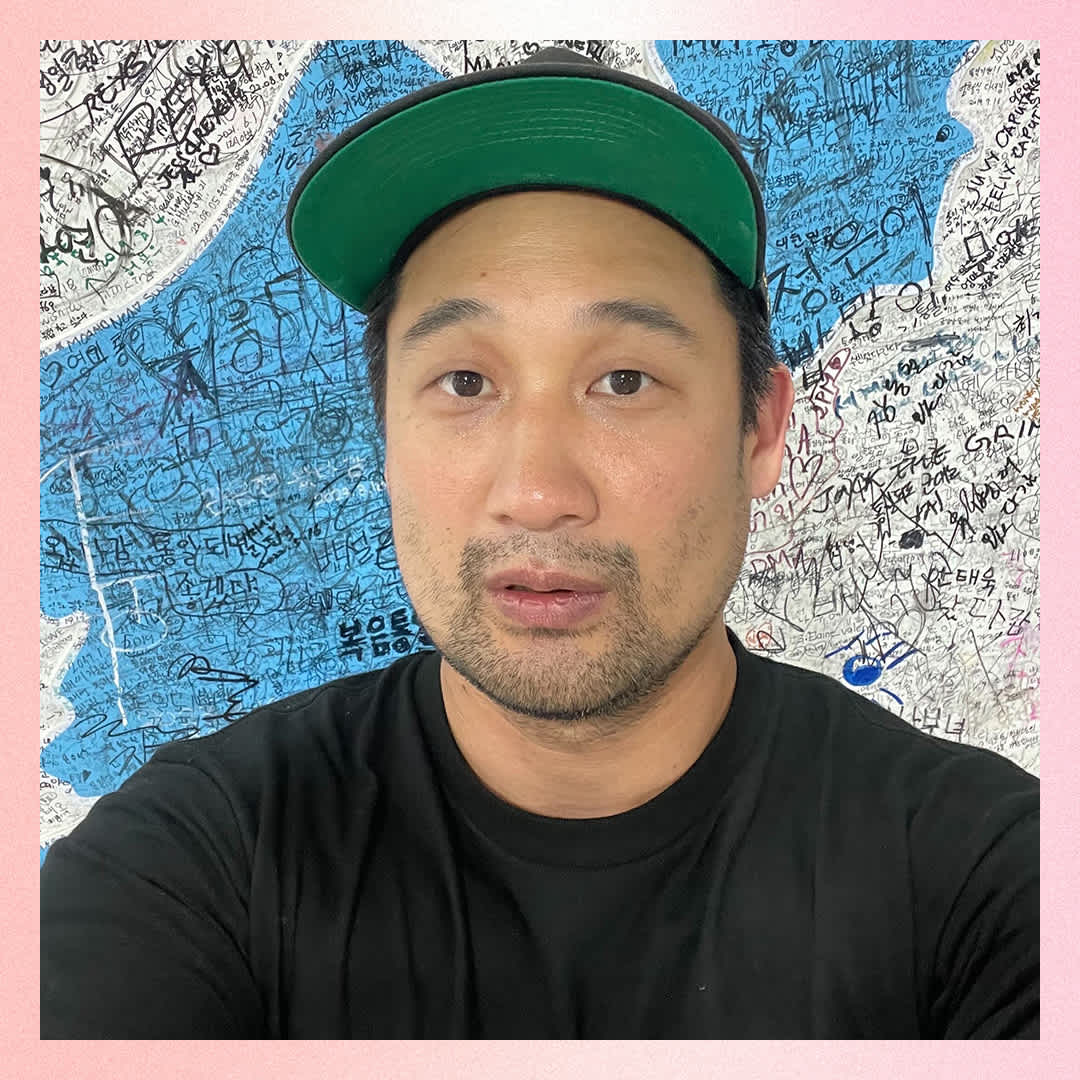
Lulus: What makes you proud of your culture?
Daniel Bang: As it relates to Korean American immigrant culture/history, I’m so proud of the grit and entrepreneurial hard work that I would describe as patiently enduring and sacrificial to build a better life for their families & community.
Luus: Tell us your fave tradition from your culture.
DB: In Korean social settings, the etiquette is to pour and receive drinks with both hands. And you do not pour your own drink: So in those enjoyable moments with family, friends and good company, there is this sense of unselfishness and respect.
Lulus: That’s lovely! Can you teach us a word in your language?
DB: In Korean, “hyung” or “oh-ppa” translates into “big brother.”
Henna Ali, Lulus Ambassador
Southeast Asian (Indian & Pakistani)
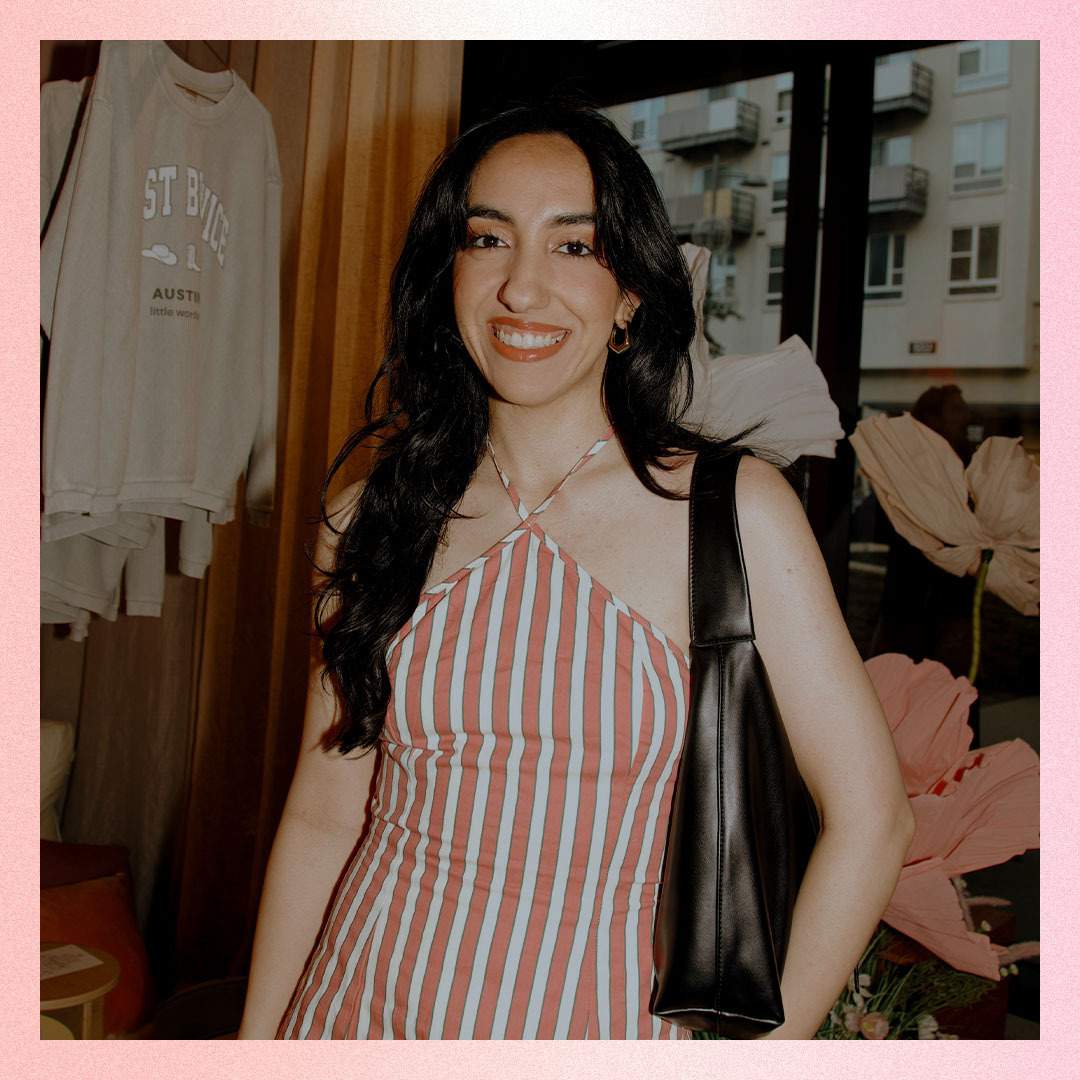
Lulus: What makes you proud to be a part of your culture?
Henna Ali: I love how rich and beautiful our traditions are, especially in fashion and beauty. My culture is a big part of my identity and it’s shaped who I am and how I see the world. It also helps me connect with my parents in a really meaningful way, while being a first-gen American. And because South Asian culture has so many wide influences, it’s made me appreciate and connect with other cultures, too.
Lulus: What is one of your favorite traditions from your culture?
HA: One of my favorite traditions is applying henna for special occasions. It’s something I’ve always loved, whether it’s for weddings, Eid, or just for fun. It reminds me of growing up, sitting with my mom and sister, laughing and sharing stories while the designs dried. It’s such a beautiful way to express my creativity and feel connected to my roots–yes, like my name!
Lulus: Is there a word or phrase from your heritage that holds special meaning to you? Teach us!
HA: Khawab is an Urdu word that means dreams, and it resonates with me. It’s not just about the dreams we have when we sleep, but the ones we work toward. My parents came to the U.S. for a better life, and for me, making my khawab come true living the life I want and it feels like honoring everything they dreamed for me.
Jaizel Ramos, Social Media Marketing Manager
Filipino
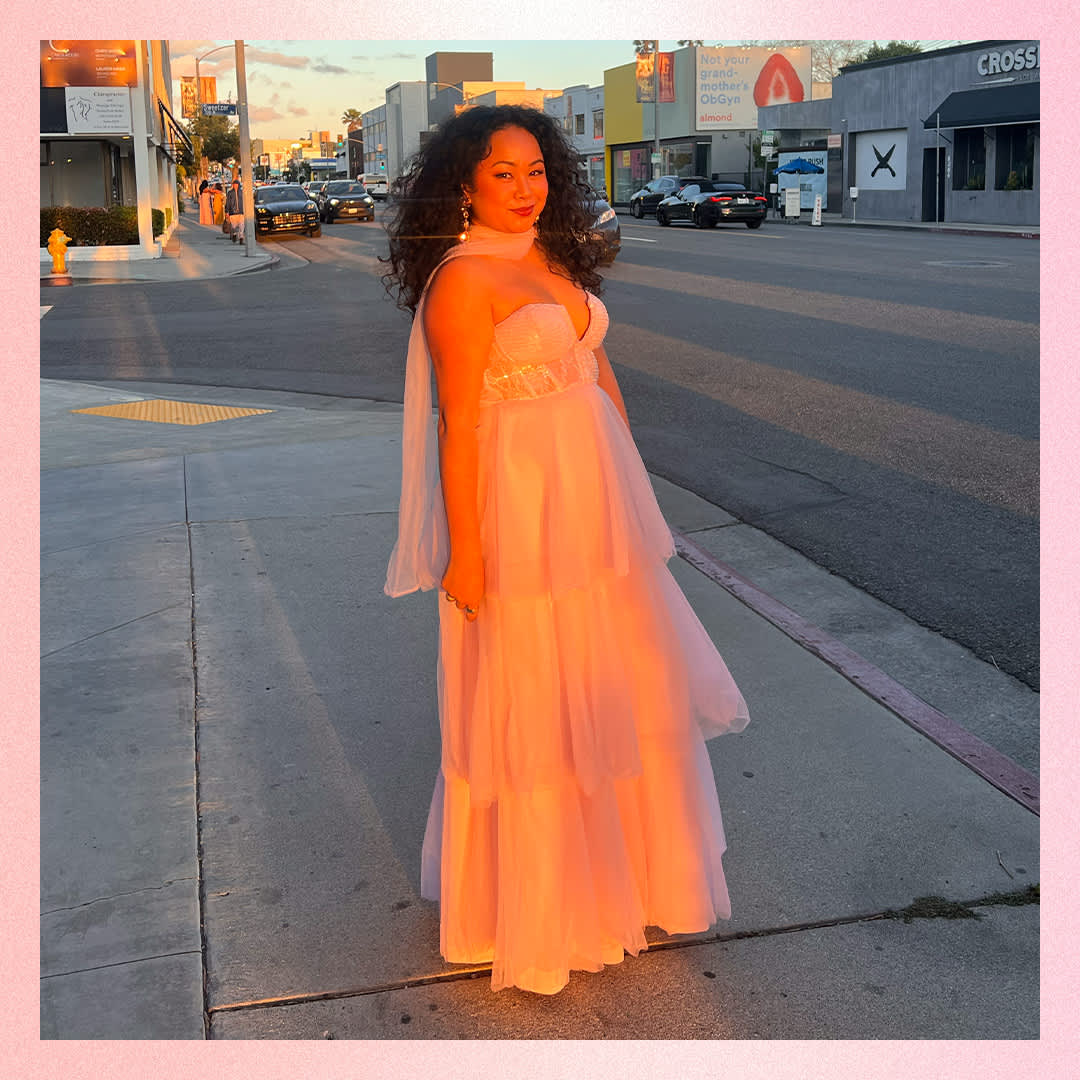
Lulus: So what makes you proud of your culture?
Jaizel Ramos: I’m proud to be Filipino—our hospitality is truly one of a kind. We’re known for being welcoming, generous, and always making sure no one leaves the house hungry. I also love that I can speak and understand my native language, Tagalog. Being able to pass that on to my daughter means so much to me!
Lulus: And can you tell us your favorite Filipino tradition?
JR: One of my favorite traditions has to be a Kamayan feast. It’s a Filipino tradition where you eat with your hands, and as a foodie, I love how the food is all laid out on banana leaves. Good food and good vibes every time.
Lulus: That sounds so special. Teach us a word in your language?
JR: Magandang umaga = good morning
Kim Thai, Lulus Ambassador
Vietnamese

Lulus: Why are you proud to be Vietnamese?
Kim Thai: Had you asked me this growing up, I would’ve stared at you in silence, trying to think of an answer. The truth is, I had a major identity crisis growing up because I didn’t take the time to learn more about my culture, instead, I was ashamed of it. As the years have gone by, I’ve learned to appreciate the beauty in not only my culture but my people, the food, and the history. I’m proud to be Vietnamese for many reasons–the food, the traditional upbringing, and the lifestyle/work ethic. If you haven’t had the chance to indulge yourself in all the flavors Vietnam has to offer, you’re missing out! Food is like art to us, it’s something not everyone understands until they get to sit and dissect. The flavors are rich, the seafood is fresh, and the variety from salty to sweet is unmatched. I also appreciate the traditions that my mom taught me growing up, that I am excited to pass down to my future children. Vietnamese people are also some of the most hard working individuals I have ever met. I am proud to be surrounded by people with great work ethic but also people with unconditional love, kindness and joy.
Lulus: Thank you so much for sharing! Is there a Vietnamese tradition that’s your favorite?
KT: One of my favorite traditions has to be Tết, which is the Vietnamese Lunar New Year. It’s something my family and I look forward to every year. I love being surrounded by friends and family, and I always look forward to ringing in the new year in great company!
Lulus: Can you teach us something in your language?
KT: “Thất bại là mẹ thành công.” means “Failure is the mother of success”. This phrase holds a special place in my heart because it proudly and accurately represents not only who I am but the obstacles that my mom took to provide a better life for my siblings and I in America.
Elizabeth Wu Williams, Lulus Ambassador
Chinese
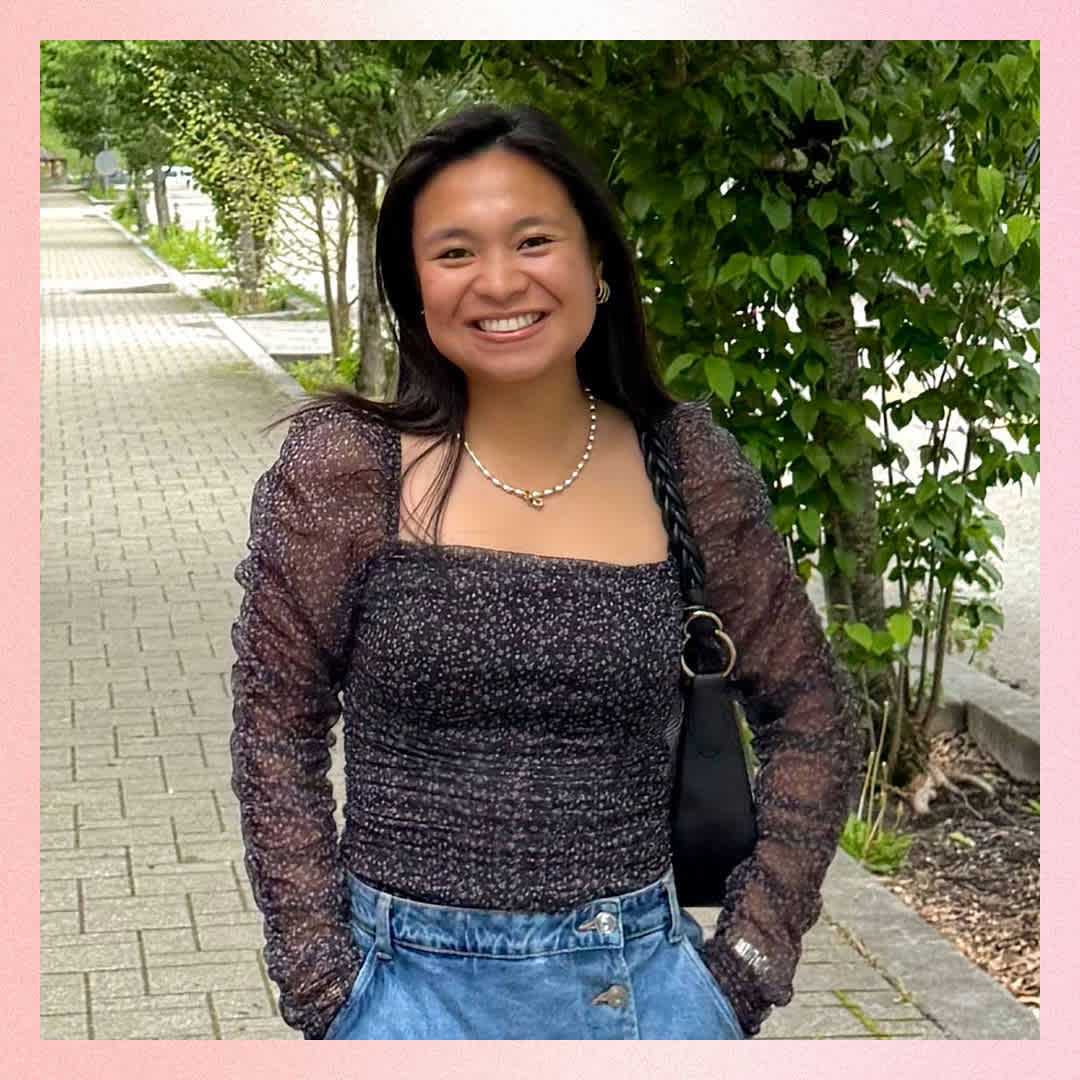
Lulus: What about being Chinese makes you feel proud?
Elizabeth Wu Williams: I love being Chinese because my culture sets me apart from others. I love that I can tell stories to others about how my family immigrated to the United States and opened multiple restaurants in the U.S. to establish themselves in a brand-new country. I’m proud to share my family traditions with others, especially the food I ate growing up in a Chinese household. Most of my family members are at least bilingual–speaking Chinese and English at a minimum. I feel unique compared to others because my background is rich with Chinese culture, hard-working immigrants, and distinct traditions.
Lulus: That’s beautiful. Do you have a favorite tradition?
EW: Every year for Chinese New Year, my mom, sister, and I would make hundreds of dumplings in the kitchen from scratch. Dumplings are supposed to emulate “money bags,” which represent good fortune in Chinese culture. I love how my mom made the process a family affair, including me and my sister as soon as we could walk. I distinctly remember wondering how my mom could wrap her dumplings so perfectly because mine and my sister’s looked–well, the opposite of perfect. Every year, I longed to one day wrap dumplings like my mother and pass the tradition along to my future children.
Lulus: What a sweet memory! Can you teach us a word or two in Chinese?
EW: “Wo ai ni” in Chinese means “I love you.” This phrase holds special meaning to me because it was the first one I learned when I was learning the Chinese language. I have so many memories of my parents saying it to me as they were tucking me into bed when I was little, and my 90-year-old grandparents and I repeat it to each other constantly to remind one another of how much we love each other.
Emily Tsai, Graphic Designer
Taiwanese
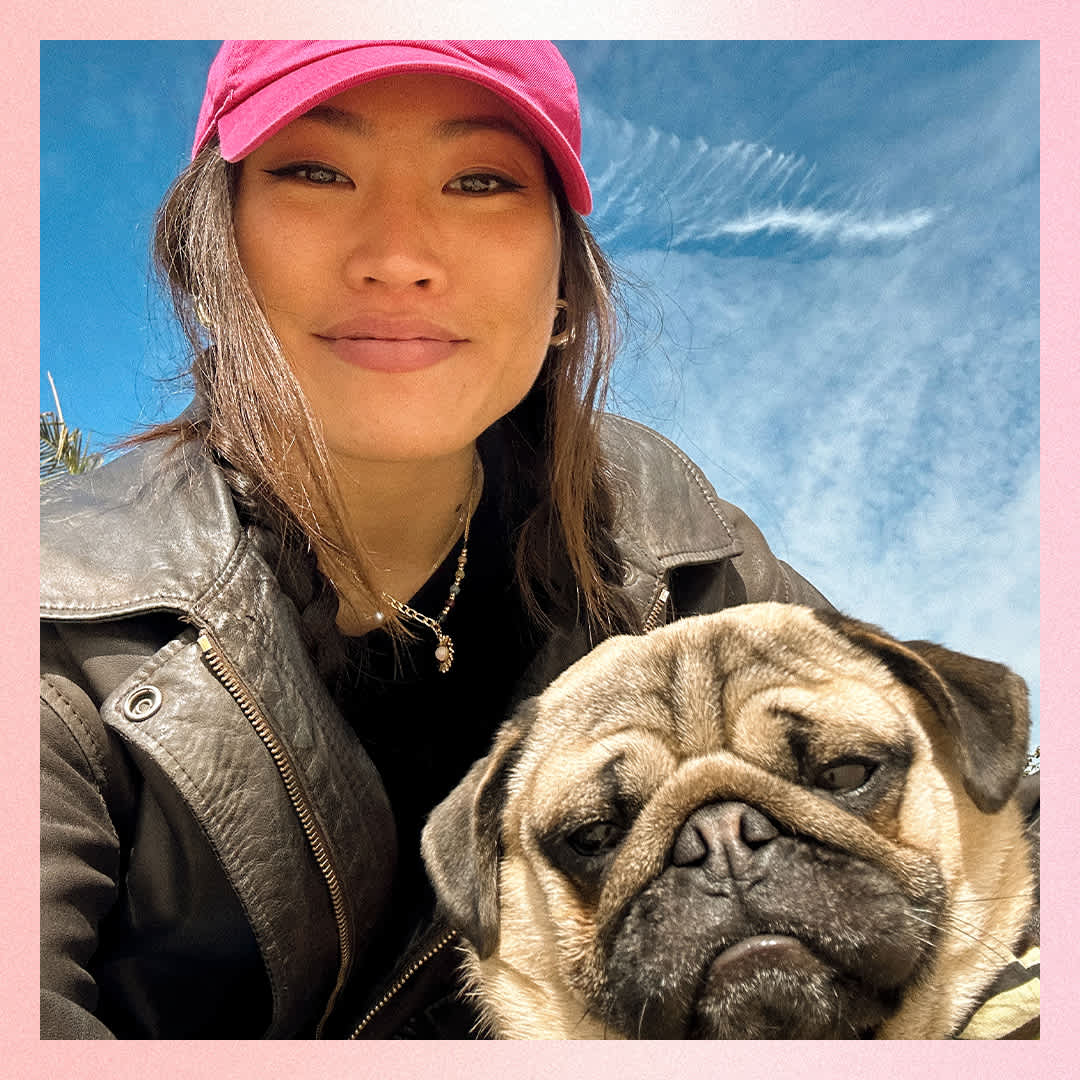
Lulus: What’s one thing about your culture that makes you proud?
Emily Tsai: I love to introduce people to the amazing cuisine that Taiwan has to offer, especially the street food!
Lulus: And what is your favorite cultural tradition?
ET: Decorating lanterns with our wishes and releasing them into the sky for Lunar New Year.
Lulus: Beautiful. We’d love for you to teach us a word in your language!
ET: “Huā” for “flower”
Lily Tsan, Lulus Ambassador
Chinese and Vietnamese
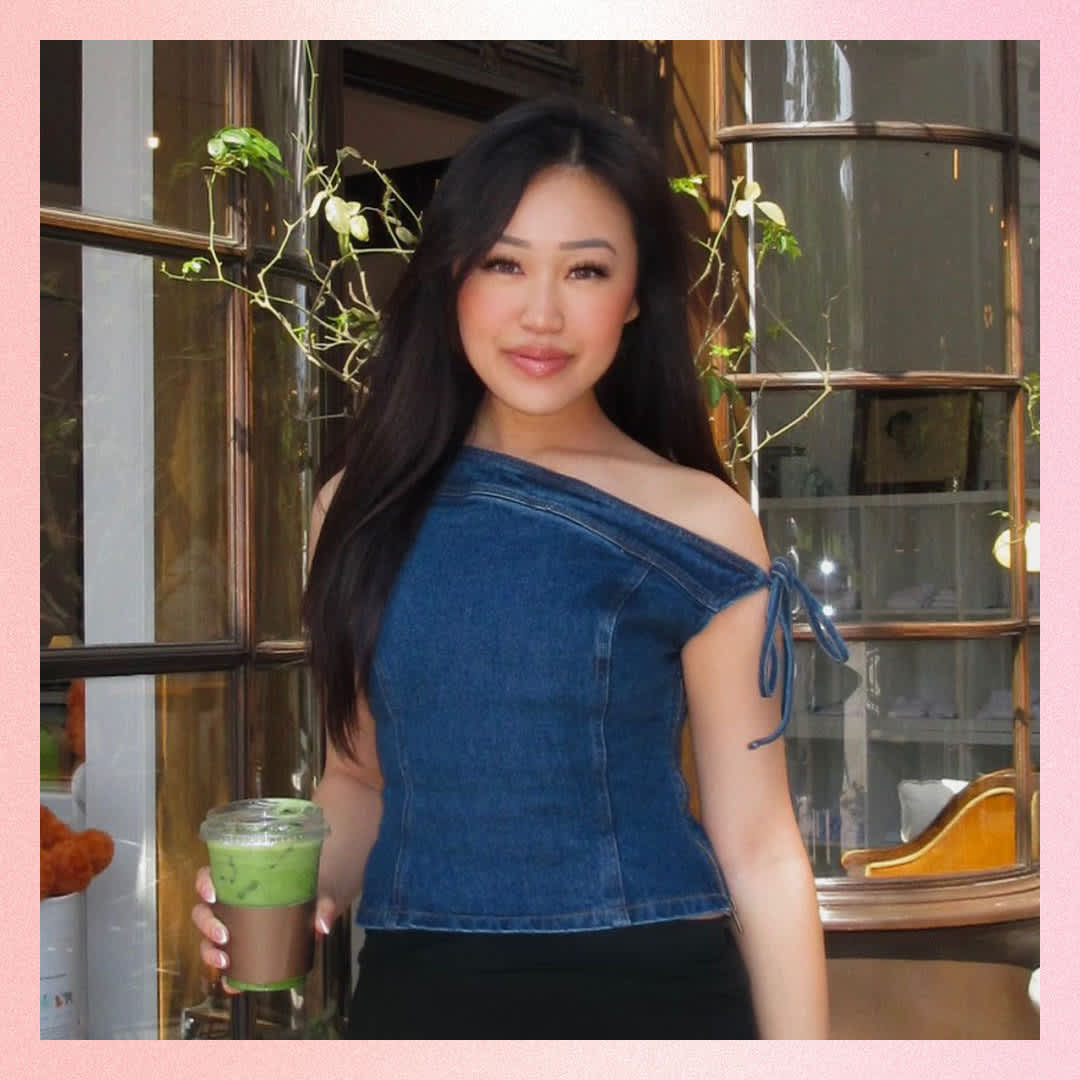
Lulus: What’s one thing about your heritage that makes you proud?
Lily Tsan: The emphasis placed on family makes me proud of my asian culture. In many Chinese and Vietnamese communities, different generations are often living in a single household. Growing up, I was blessed to be cared for by not only my parents but my grandparents, as well. Because of this, I will always have fond memories to look back on and cherish.
Lulus: Do you have a favorite cultural tradition?
LT: Lunar New Year is my favorite way to share and celebrate my culture. I love seeing red lanterns and flowers adorning temples and the homes of those celebrating this joyous holiday. Families will often join together and celebrate the day by having delicious feasts, handing out red envelopes, and playing various games. Lunar New Year is a holiday to me that symbolizes community and new beginnings!
Lulus: Lovely! Can you share a few words in Contonese?
LT: 你食咗午飯未 (Nei-sik-jo-fahn-mei)? In Cantonese, it means “Have you eaten yet?” In English, this question is often asked nonchalantly, but in Cantonese, it represents a common yet meaningful question. It is a way to show care for the people we love. This phrase holds a special place in my heart because my grandparents would always ask me even if I had just ate. Sometimes, they would even ask me twice to make sure!
Asia Xiong, Stylist
Hmong
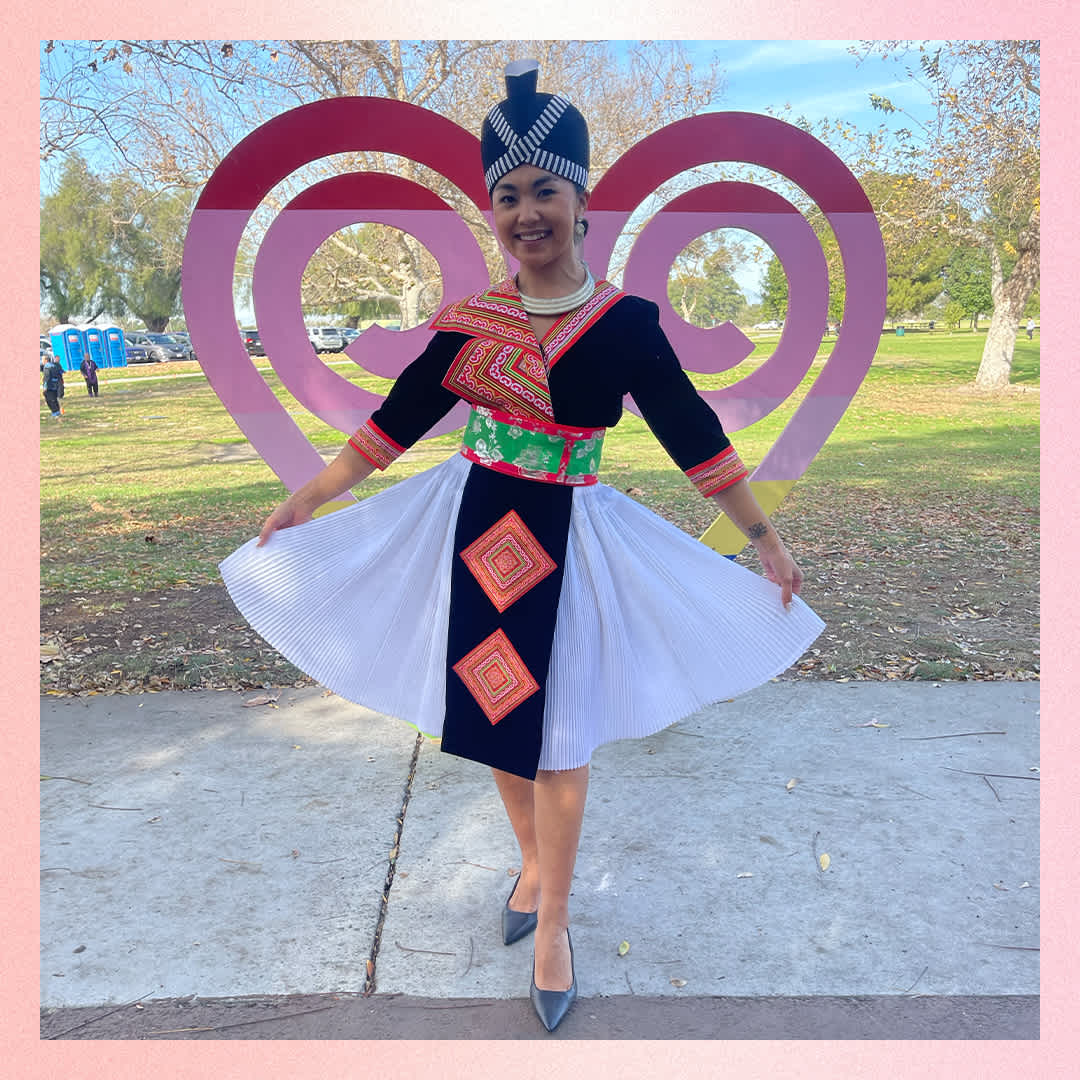
Lulus: So, what makes you proud to be Hmong?
Asia Xiong: Throughout all of the trials and tribulations that the Hmong people have faced, each and every time, we have found a way to adapt and grow to build our community, maintain our cultural identity, and uplift our future generations.
Lulus: Beautiful. Can you tell us your fave tradition from your culture?
AX: My favorite tradition from my culture is going through our suitcases and bags full of traditional clothing with my mom to wear during the Hmong New Year celebration.
Lulus: We love that! Can you teach us a word in your language?
AX: Ua tsaug means ‘Thank you.’
Tu (Tiffany) Dinh, Lulus Ambassador
Vietnamese
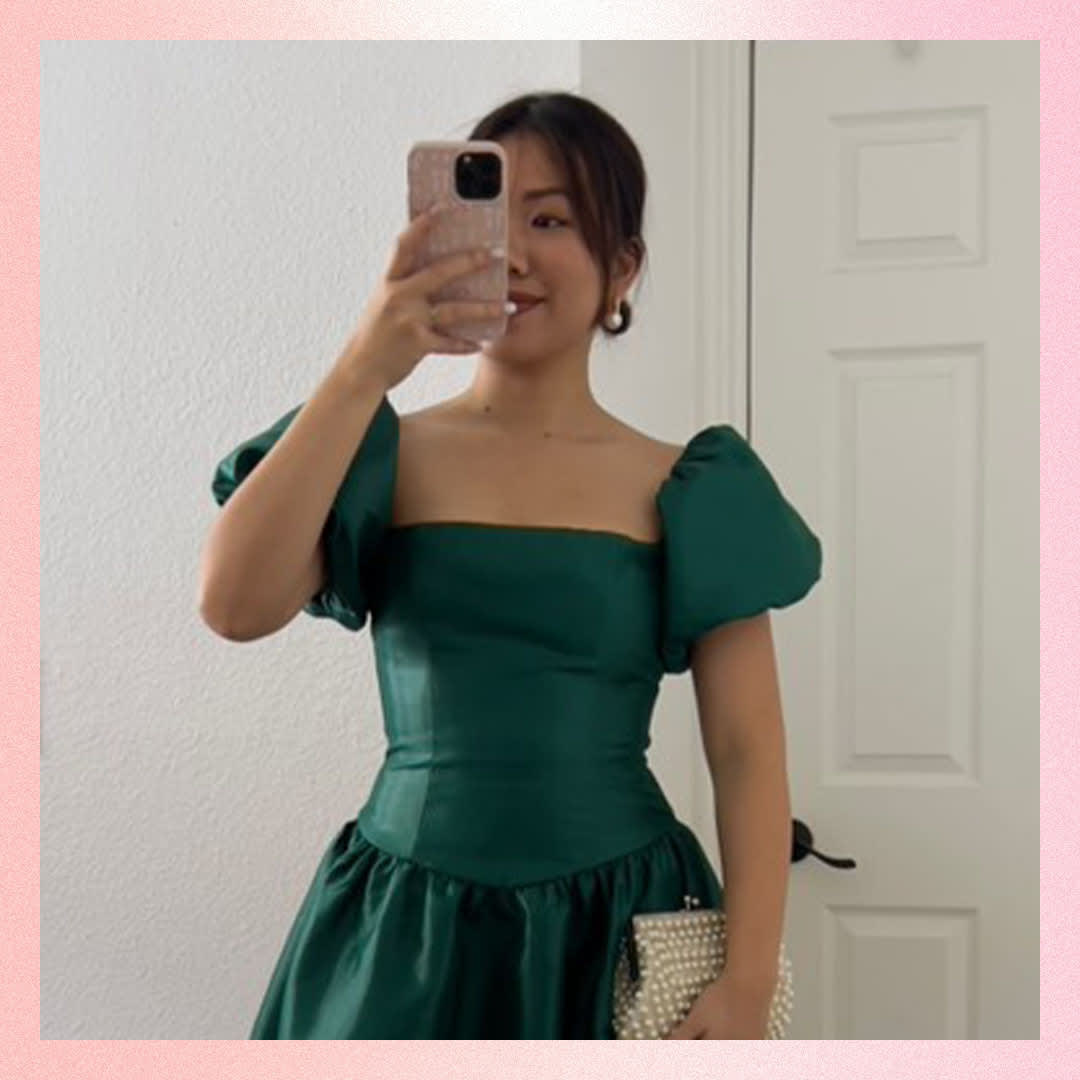
Lulus: What about Vietnamese culture makes you feel proud?
Tu (Tiffany) Dinh: I’m proud to be Vietnamese because of the deep sense of resilience, family, and tradition that runs through everything we do. Our culture has such a rich history of strength and perseverance, and growing up, I saw that reflected in my family, especially in how hard they worked to give the next generation a better life. There’s so much pride in our food, fashion, and values, and it makes me happy to share those pieces of who I am here in the U.S.
Lulus: Do you have a favorite Vietnamese tradition?
TD: One of my favorite Vietnamese traditions is Tết, our Lunar New Year celebration. It’s more than just a holiday—it’s a time of renewal, gratitude, and connection. I love how it brings family together, from preparing traditional foods like bánh chưng to giving red envelopes (lì xì) to children. It’s such a joyful, meaningful time that always reminds me to honor my roots.
Lulus: Can you share some favorite words in Vietnamese?
TD: One phrase I love is “có công mài sắt, có ngày nên kim,” which means “with hard work, a piece of iron can become a needle.” It’s a reminder that persistence pays off, even when things feel impossible. My parents used to say it to me when I was struggling, and now I carry it with me whenever I’m working toward a goal.
Falak Siddiqui, Lulus Ambassador
South Asian/Pakistani
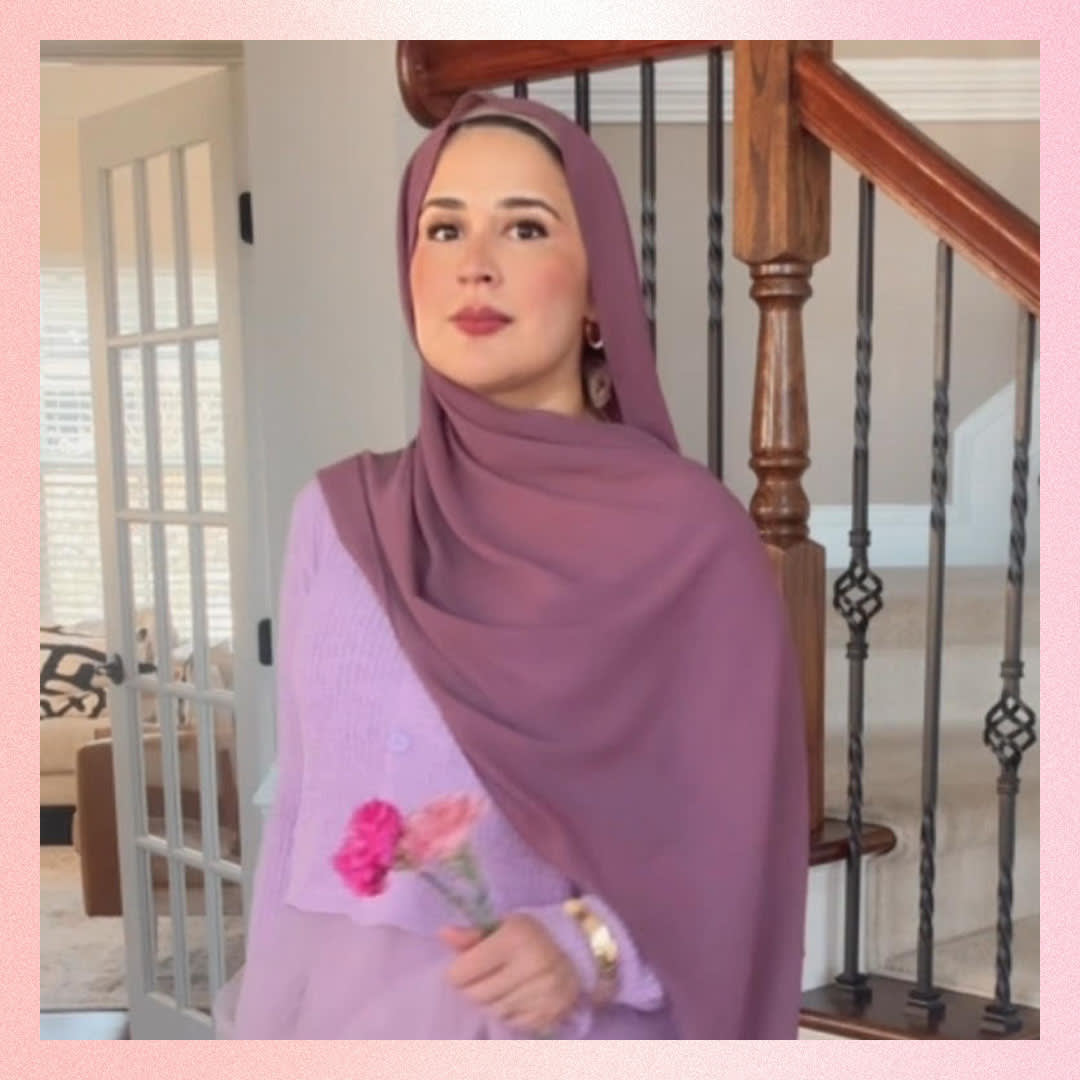
Lulus: What about your culture inspires feelings of pride?
Falak Siddiqui: As a self-proclaimed foodie, my love for Pakistani cuisine runs deep. Nothing beats a plate of my mom’s biryani or a sizzling chicken karahi—they’re more than just meals; they’re memories on a plate.
Lulus: Perfectly said! Do you have a favorite cultural tradition?
FS: Family is everything to me. In my culture, the strength of familial bonds is unmatched, and I’m forever grateful for the love and support that surrounds me through every season of life.
Lulus: Are there any favorite words or phrases you like to teach us in your language?
FS: One phrase that anchors me is: “Jo hota hai, achey ke liye hota hai”—“Whatever happens, happens for a good reason.” It’s my guiding light, and the mindset I carry with me every step of the way.
Camille Tang, Social Media Content Manager
Vietnamese
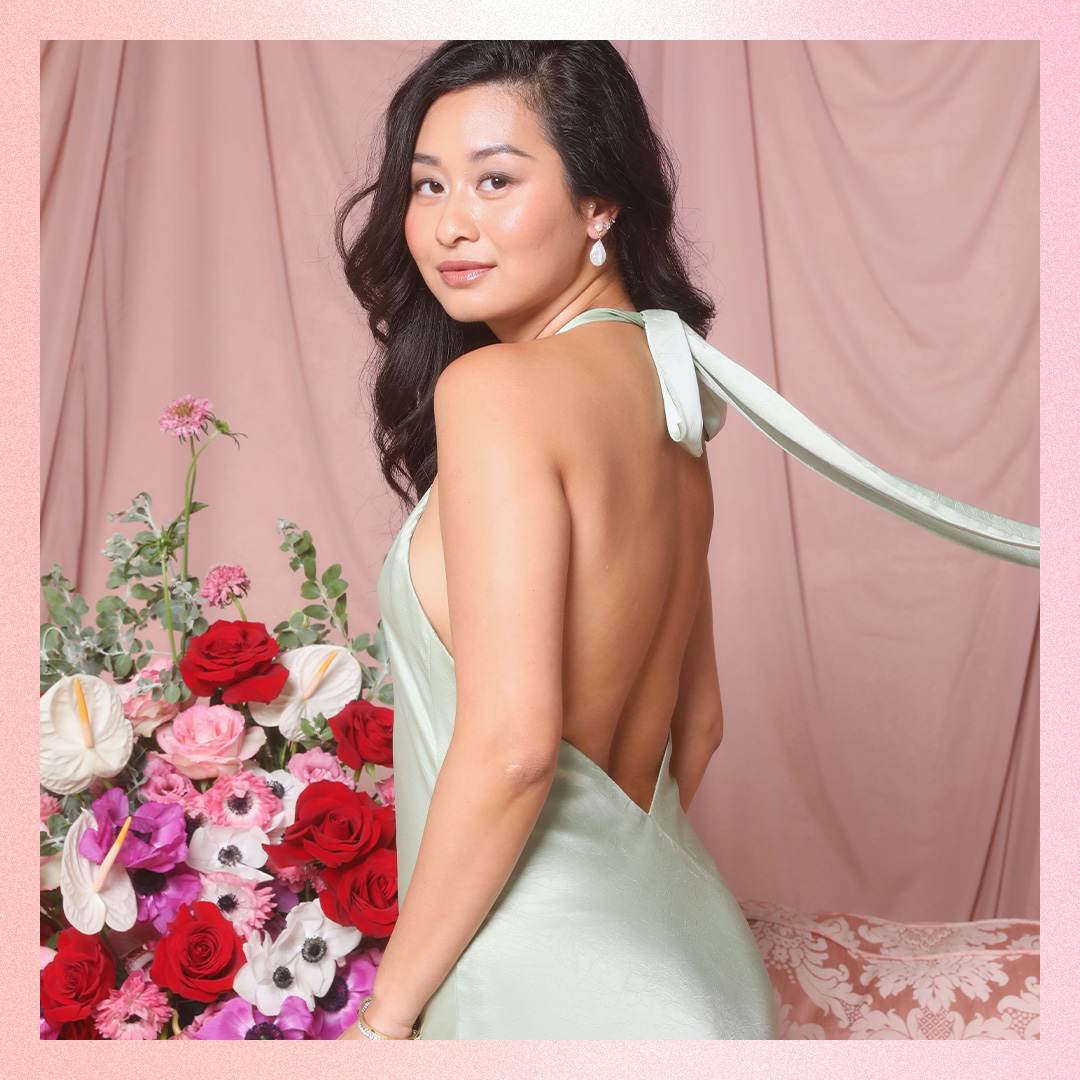
Lulus: What makes you proud of your culture?
Camille Tang: I’m proud of how community-oriented my culture is. Vietnamese people look out for each other, take care of one another, and put others first. Our values remain deep-rooted and resilient despite all the hardships that our people have been through.
Lulus: Tell us your favorite Vietnamese cultural tradition!
CT: Tet, or Vietnamese Lunar New Year, is a festive holiday where families and friends come together and wish each other happiness, luck, good health, wealth, and longevity. We also eat lots of delicious food and exchange lucky money in red envelopes!
Lulus: Yes to all of that! Can you teach us how to say something in your language?
CT: Bạn đẹp quá — it means ‘you’re so beautiful.’
Anahita, Lulus Ambassador>
Persian
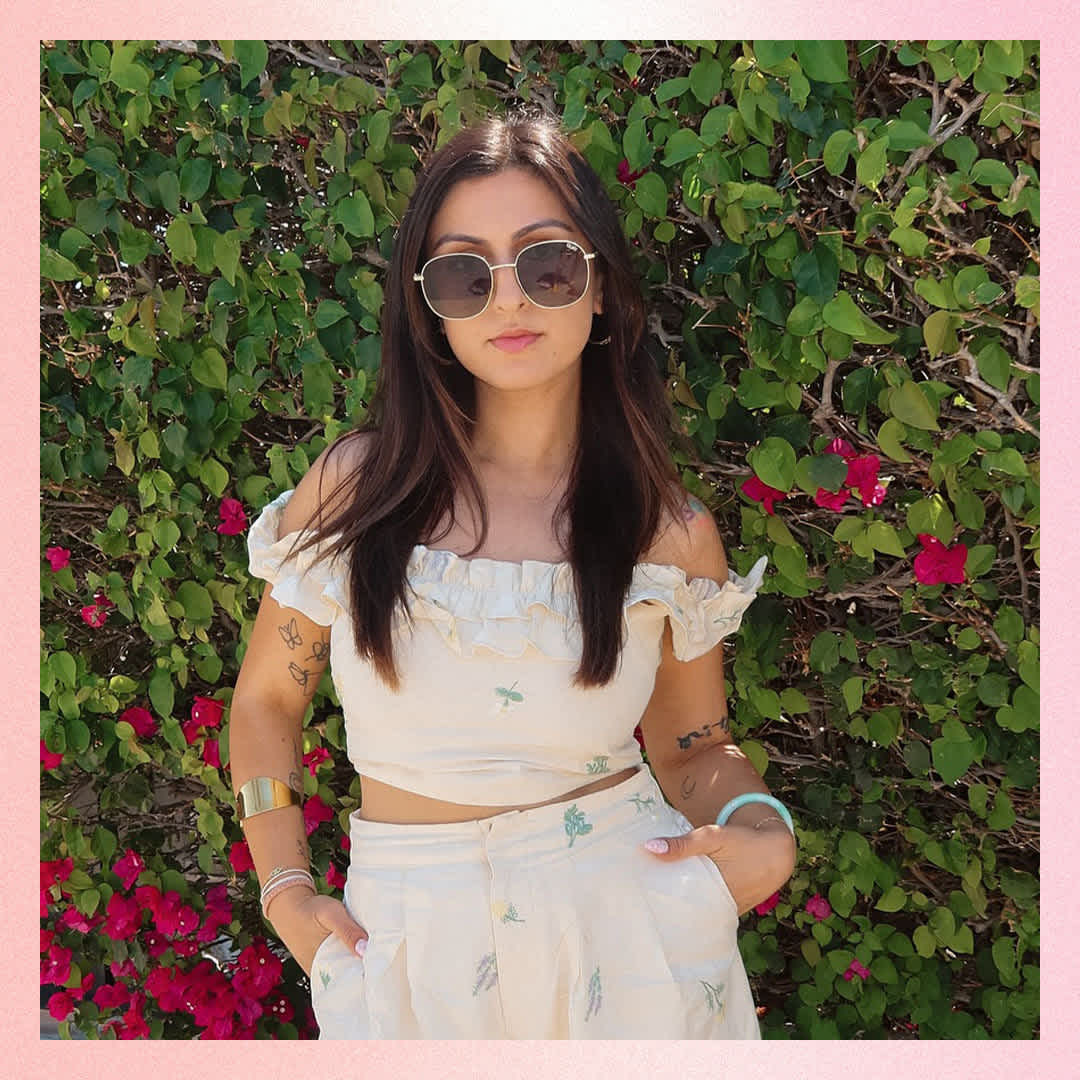
Lulus: What makes you feel proud of your Persian heritage?
Anahita: Persian culture is rich with centuries of history known for its deep appreciation of art, poetry, literature, and nature — all reflected beautifully in our traditions!
Lulus: Can you tell us about your favorite cultural tradition?
Anahita: The Persian New Year is on the first day of Spring which is also known as Noruz! This is symbolic in that it celebrates the renewal of the self and nature! The Wednesday before New Years, we celebrate as a family with delicious food and jump over fire to celebrate Chaharshanbe Suri (translated to “Wednesday Feast”). This tradition of jumping over the fire is to cleanse the body and spirit of any negativity and to welcome the fire’s strength and light–the literal light in darkness. This is just many of the traditions and ways that Persian culture shows its integration of poetry and art with the self.
Lulus: Beautiful. Are there any words you’d like to teach us in your language?
Anahita: Our poetry and symbolism appears in our language as well. For example the phrase “Delam barat tang shode” translates to “my heart has become tight for you” a beautiful way to say I miss you!
Julianna Lee, Lulus Ambassador
Chinese American
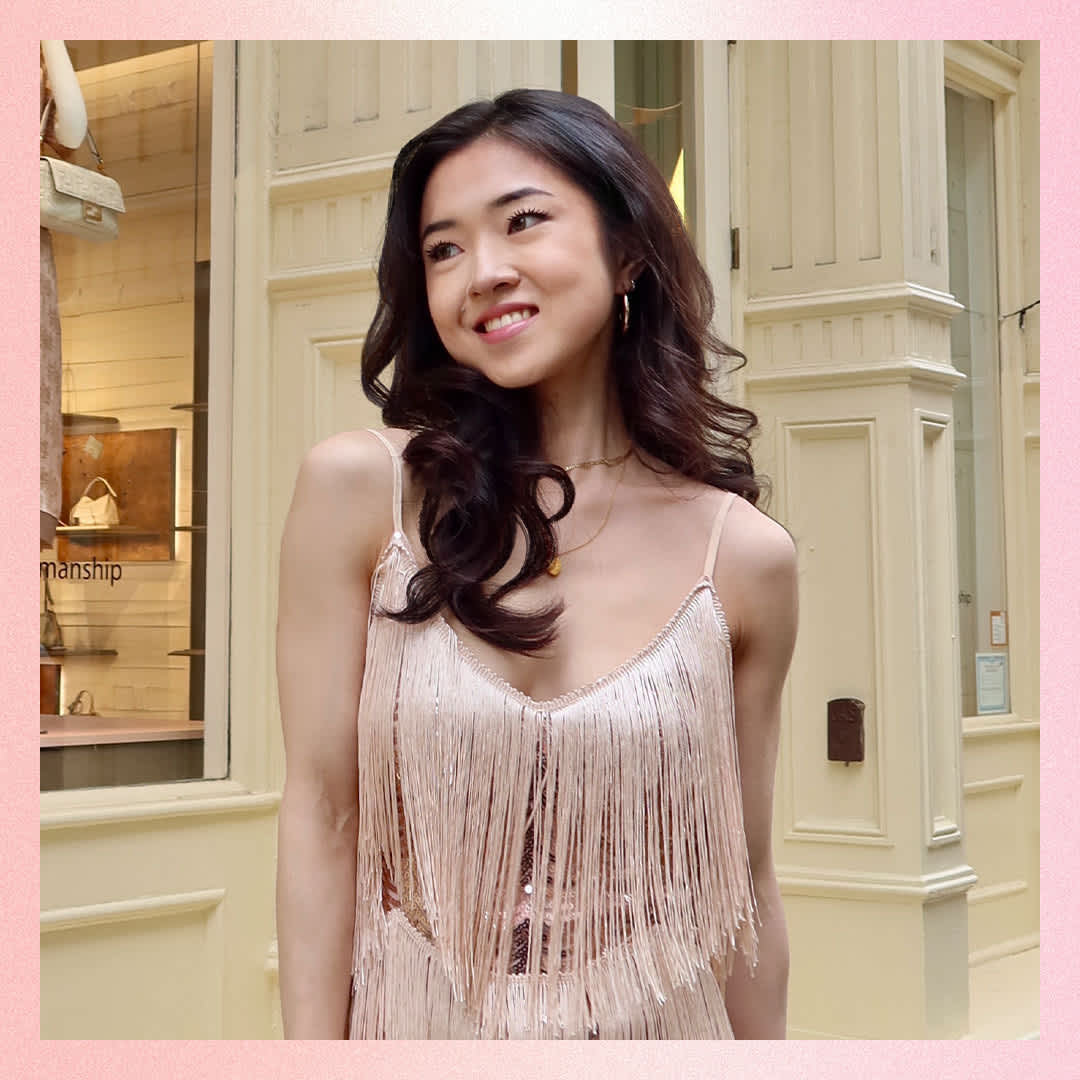
Lulus: Tell us what about your heritage makes you proud!
Julianna Lee: I am proud of the value Chinese culture places on one’s familial relationships. Personally, I am extremely close with my own family, and their support has been an invaluable area of empowerment that has shaped my own sense of identity and ability to grow as a content creator.
Lulus: Do you have a fave Chinese tradition?
JL: Although I was not raised religious, I am deeply spiritual and follow many Buddhist principles in my everyday life. One of them is the concept of karma, as I strive to take actions that bring about a positive effect on the world. The importance of offering compassion and kindness to others has given me a strong compass for my life choices. Additionally, an emphasis on personal growth and the pursuit of inner tranquility has allowed me to cultivate my own self confidence and continual desire to learn.
Lulus: Can you teach us a word or phrase in your language?
JL: A word that comes to mind is 幸福 (xìngfú), which means to be in a state of contentment and joy. My path in content creation has opened up so many amazing opportunities for which I feel extremely grateful. Therefore, I find myself to predominantly resonate with feelings of joy as I continue to see growth and support towards my passion.
Are you celebrating your AAPI heritage this month? Tell us how you honor your culture in the comments!
Join The Conversation (0)