
Ask any plant lady (or wannabe plant lady), and they’ll tell you that being surrounded by greenery is calming. If you’re looking for something to add some spice to your succulent collection, consider a miniature tree, or bonsai. ‘Bonsai trees’ have been, er, growing in popularity since the beginning of the summer and well, it might just be time for you to try the trend.
The unique shape of these plants is not accidental. Bonsai takes care and dedication, but it’s surprisingly less complicated than you think. We chatted with Eric Schrader, a bonsai artist, grower, and teacher to provide some tips on what you need to know about bonsai–and how to get started with a tree of your own.
1. What is bonsai?
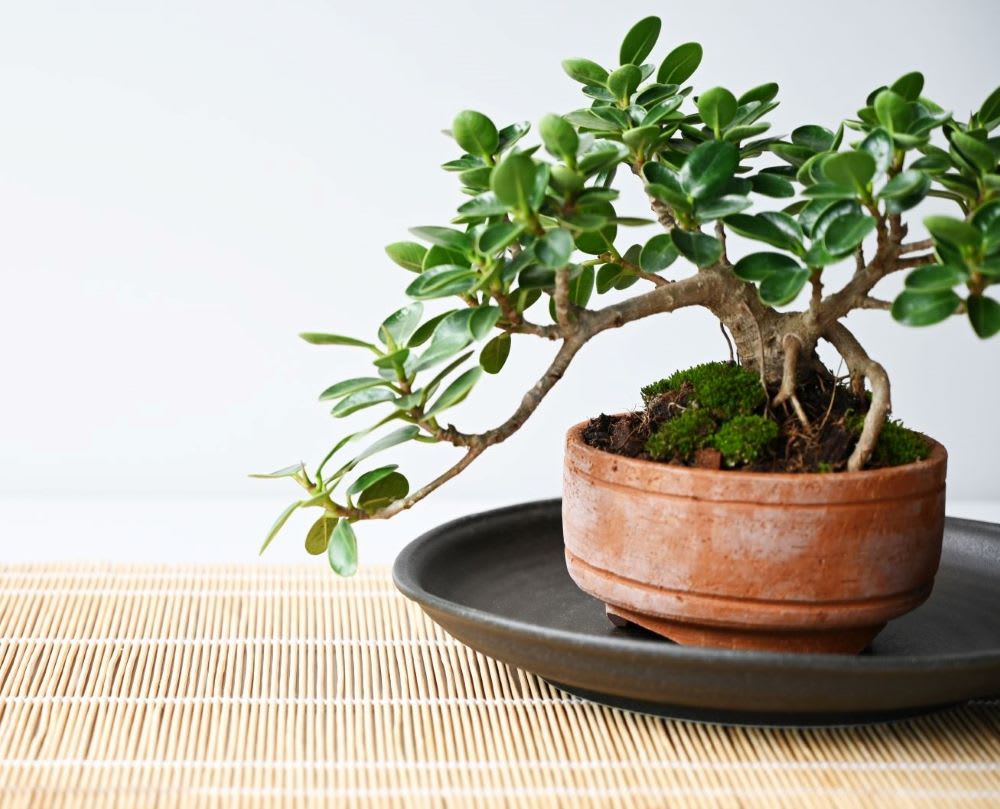
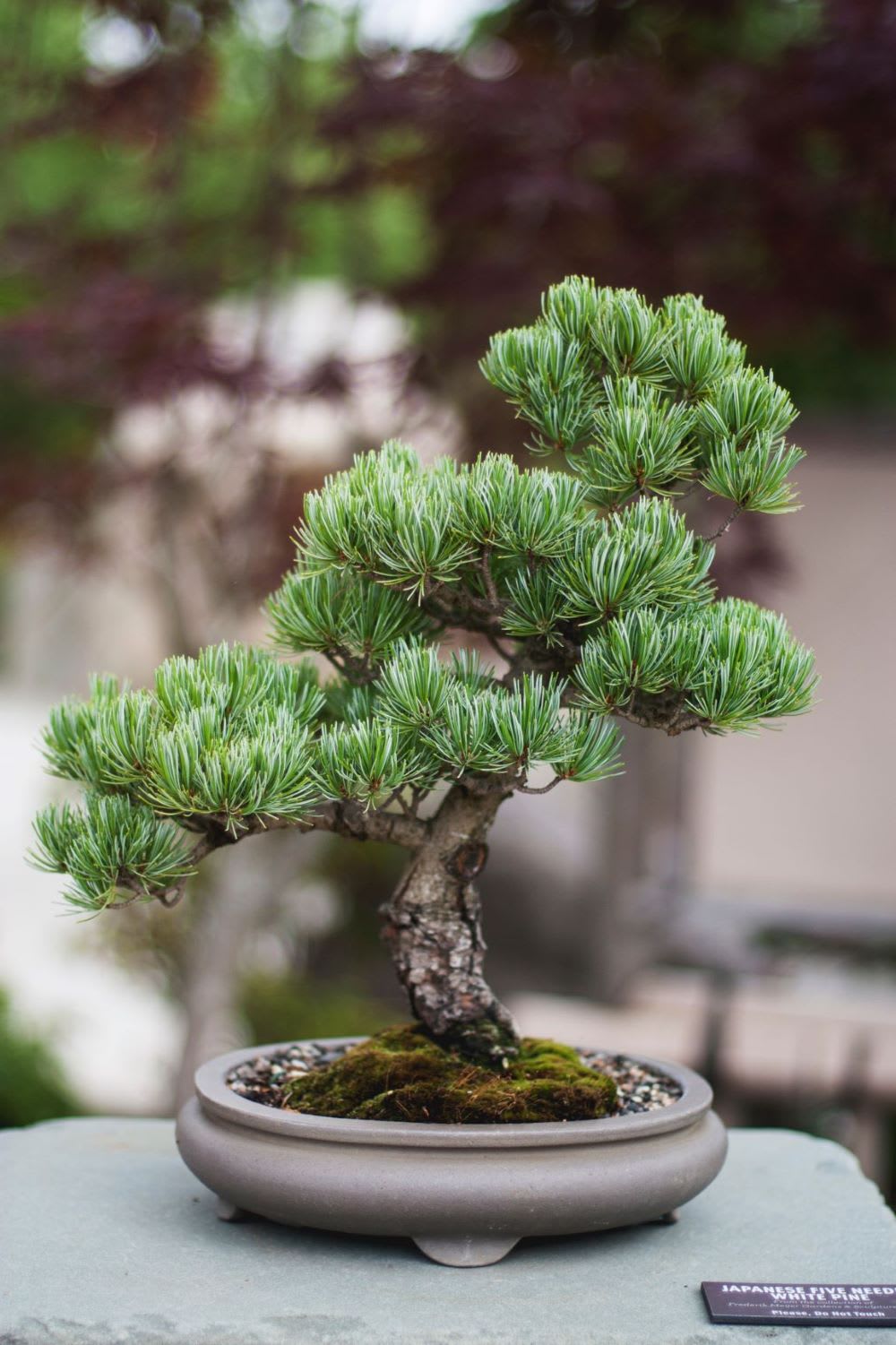
First of all, bonsai is not actually a tree or plant (!). Bonsai is a term used to describe a set of techniques used to control the growth of a woody plant. So it’s basically the technique of trimming and shaping a tree. There is no one specific type of bonsai tree, but you can bonsai many types of trees.
There are five basic styles: formal upright, informal upright, slant, semi-cascade, and full-cascade. The styles describe the shape of the tree and angle of the trunk, and there are many variations within each style. Anyone can do bonsai, but it can take years (and patience) to master the technique.
For a beginner using good materials, Shrader says it could only take a couple of hours to create a pleasing form. “The key is to reduce the plant to be in proportion with the trunk while arranging the branching.” The rule of thumb for serious bonsai beginners and enthusiasts is that it takes about 10 years (depending on climate) for very good results.
2. What are the easiest bonsai styles for beginners?
Beginners, you’re in luck. Schrader says that beginner bonsai essentially have no style and that “they are just bushes that are roughly trimmed to shape like a topiary [a defined shape].” Even though the windswept style is cool, he cautions that is the most misunderstood form because many people attempt to do it without understanding how a tree actually responds to windy conditions.
Because there are so many different variations, Schrader says that serious bonsai enthusiasts often study styles to understand patterns and form. The most difficult styles are ones that are unique but still conform to bonsai proportions and the species’ natural form.
3. Can you use any tree for bonsai?
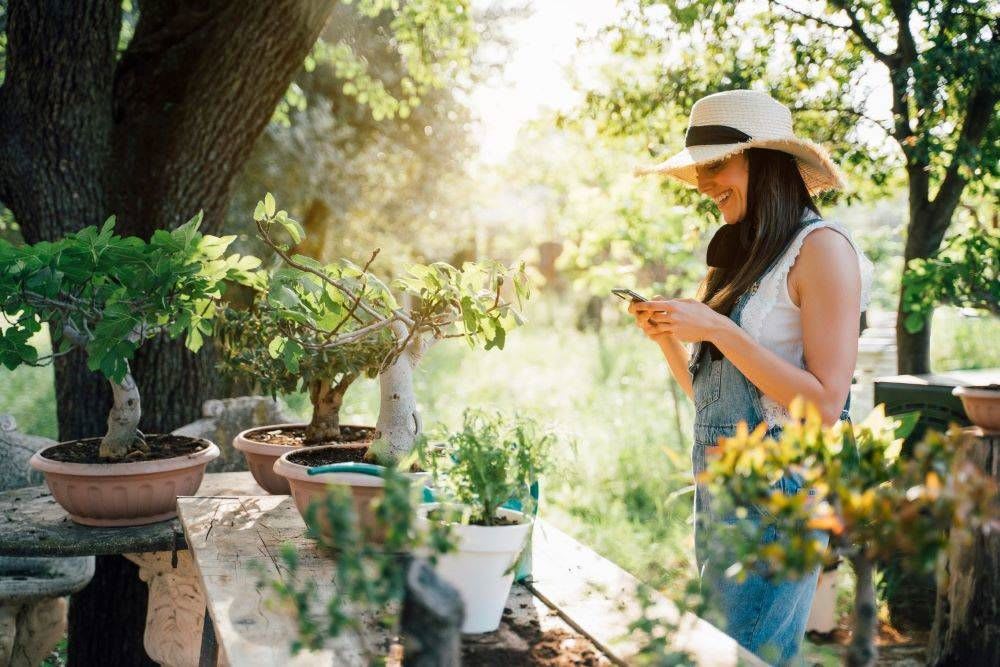
According to Schrader, the answer is yes, you can use any species of tree, but that doesn’t mean you should run out and buy the first green thing you see. Some species are more challenging to use for bonsai because they have things like large compound leaves. He says, “the suitability for bonsai depends on whether they will tolerate having roots trimmed and being confined to a container.”
For beginners, Schrader says the Juniperus Procumbens Nana, which is a dwarf, is a common species. The tree is about six inches tall and grows best outdoors in most climates. Other junipers and tropicals such as Ficus, Fukien Tea, and Serissa are also popular because they are inexpensive to buy.
For more serious enthusiasts, Schrader recommends species like Trident Maple, Japanese Maple, Chinese Juniper, Japanese Black Pine, and species native to the local environment. For bonsai indoor species, look to a Ficus, Brazilian Rain Tree, or Texas Ebony. In addition, the techniques used for a young tree are different from those used when a tree is older and more established as a bonsai. Shrader adds that all bonsai need protection from temperatures below 28 degrees Farenheit during winter.
4. What are the differences in caring for an indoor vs. an outdoor bonsai?
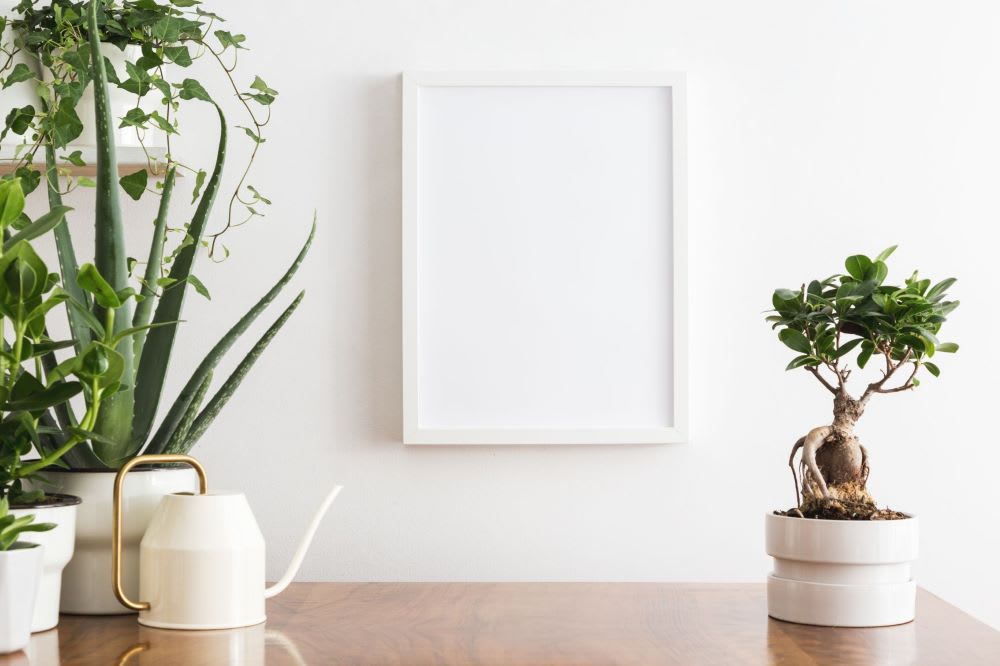
If you’re an apartment dweller with no real yard to speak of, don’t worry: You can still bonsai inside. Indoor challenges for bonsai are similar to those for keeping most houseplants alive. You need sufficient light, air movement, and temperature. Plus you have to make sure you use species that can thrive in indoor conditions that have low humidity and constant temperature. Tropical species tend to do well indoors.
Outdoor challenges include extreme temperatures (hot or cold) that could damage the tree, wind, animals, or lack of sunlight if not positioned correctly.
5. What are the essentials you need for bonsai?
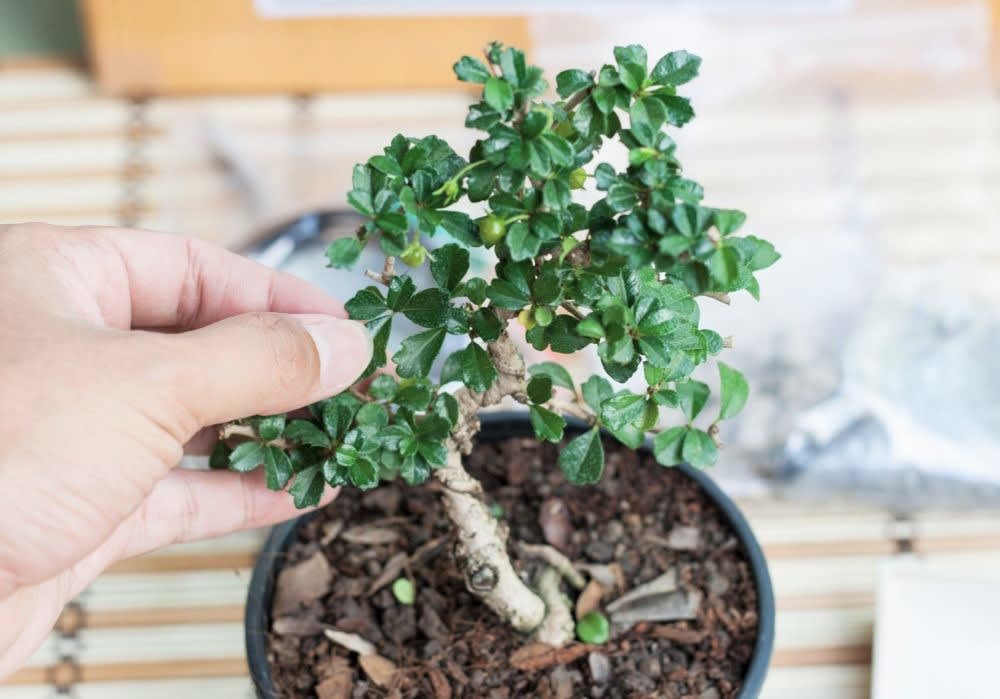
Obviously, light and water are essential. And like Goldilocks, bonsai need conditions that are just right—warm but not hot. Schrader says higher humidity is easier than low humidity. Make sure you find the right species based on where it will be kept and grown, whether that’s indoors or outside.
For outdoors, Schrader says to look at the trees around you. If there are native trees around, try to find those species or something similar so they have a greater likelihood of thriving in the environment. If there are no trees around, you may be better off picking an indoor species. You’ll also need tools, soil for repotting, enough space outdoors for the plants to grow, and importantly, patience, because trees and plants don’t grow overnight.
6. What’s the most important thing to consider if I want to try bonsai?
Shrader advises to learn good habits to create good bonsai — pay attention to the details, problem solve as you go, and water the tree daily if you live in certain climates.
And most importantly, have fun! Bonsai should be enjoyable, not stressful. Schrader advises, “don’t take it too seriously, and if the tree dies, don’t feel guilty — get another one…or 10.”
Have you tried bonsai? Show us your tiny trees and plants on Instagram @Lulus!
Join The Conversation (0)