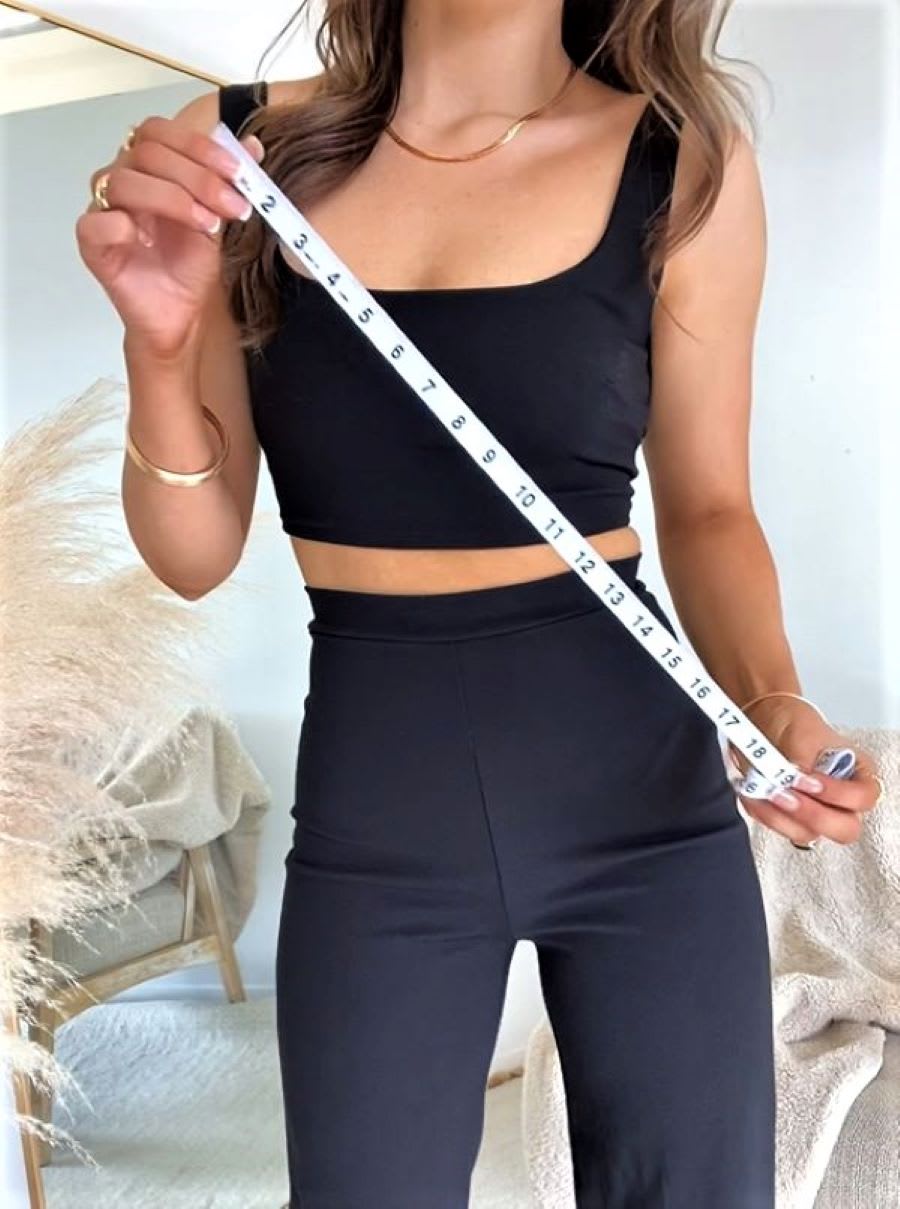
Being able to take your own measurements is a great skill to have if you love fashion. No two brands have quite the same sizing, which can make it tricky to buy the right item if you’re only relying on a letter size (S, M, L, XL, etc.).
Once you know how to take your measurements, you can always check to see if an item will actually fit you in the size you usually buy. Say goodbye to baggy tank tops, too-tight jeans, and sweaters that swallow you whole. This guide will help you become an expert at finding your perfect size!
How to Measure Yourself for Clothes
Measuring yourself for clothing is deceptively simple, though many people feel intimidated by numbered measurements. Being able to measure yourself and check your measurements against a company’s sizing chart is the best way to make sure you buy clothes that actually fit.
Here are our basic instructions for measuring the most important parts of your body for determining clothing size.
Bust
- Measure the fullest part of your bust by wrapping the measuring tape around your chest, and under your arms. Be sure to take a deep breath and fill your chest before you take the final measurement. You want to be sure you can breathe in your clothes!
- Be sure to keep the tape measure level so that you are measuring at the same point all the way around your chest.
Waist
- Stand up straight and bend your body to the side. A crease will form on your side—this is where your waist is! Your waist is also typically the narrowest part of your torso, so if you have trouble with the leaning to the side trick, just find the narrowest point. Usually, this is a few inches above the belly button.
- Again, be sure to breathe in before you take the final measurement. The tape measure should be comfortable around your waist—not too tight, not too loose.
Low Waist
- To measure your low waist, place the tape measure two fingers (or about 1–1.5 inches) below your natural waistline. Your low waist will often be right at or right above your belly button.
- The same rules apply here: breathe in, and don’t make the measurement too tight or too loose.
Hips
- Stand up straight with your feet together. Wrap the tape measure around your hips at the widest part, taking care to make sure it is level all the way around.
- Breathing in or out won’t make much difference here, but it’s still best to avoid sucking in when taking any measurement.
How to Measure Dress Size
To measure for a dress, you need to know your bust, waist, and hip size. Bust and waist measurements are particularly important since most dresses are tailored at the bust and waist. Hip measurements are less important unless you’re purchasing a bodycon dress.
Need to know how to measure yourself for a dress? Here’s what the Lulus size chart for dresses looks like.
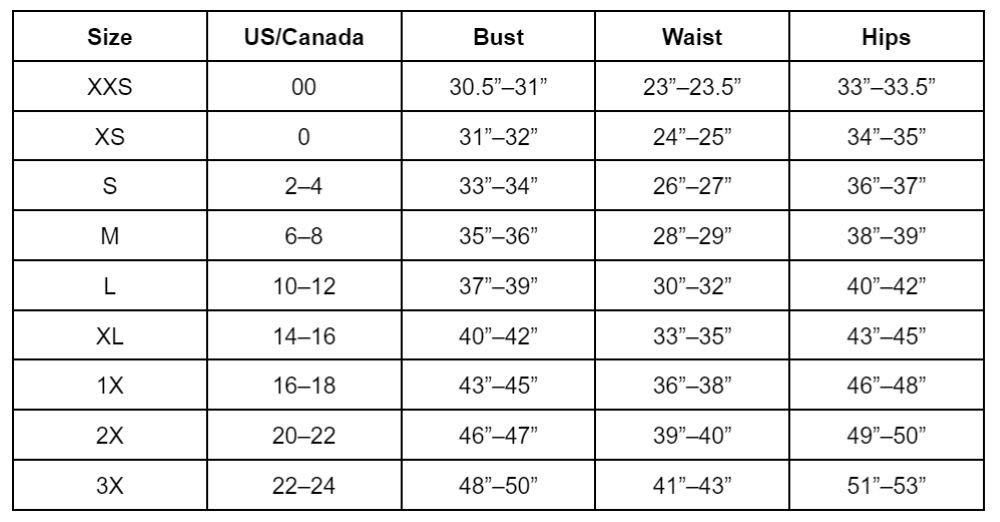
Once you’ve measured yourself, choose a dress size based on your largest number. For example, if your bust is 35” but your waist is 23” you’ll need to choose a medium to make sure there is enough room in the bust.
Measuring for a Top
For tops, the key measurements are your bust and your waist. Whether the top is a simple t-shirt or a tailored button-up, having your measurements will help you get the right fit. Here’s the Lulus size chart for tops: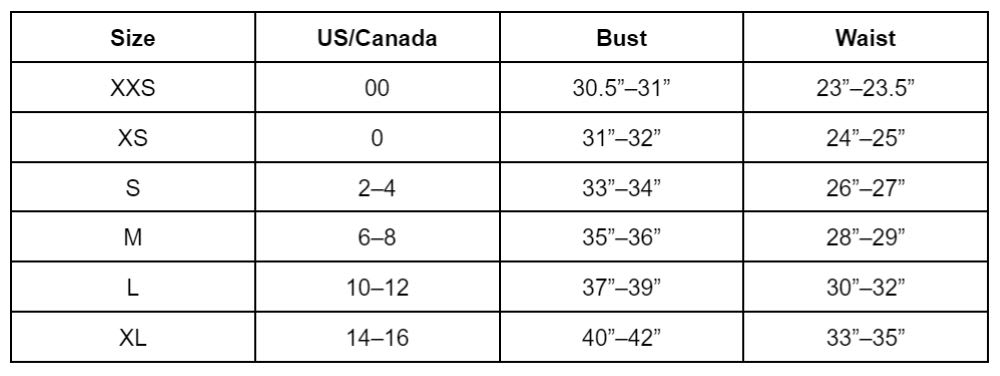
Measuring for Pants & Bottoms
Pants and bottoms can be tricky, especially since most people are different sizes on top and bottom. When measuring yourself for pants size, be sure to measure at both your natural waist (the narrowest part) and your low waist. You’ll also need to measure your hips, which will likely be the largest part of the measurement, and the number you use to choose the right size.
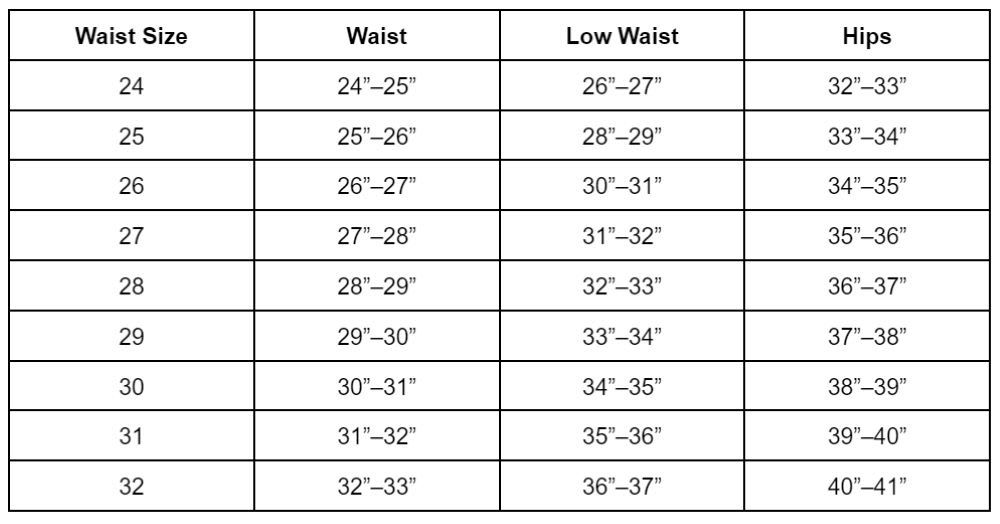
Jeans and pants made from stiff material will have less give, so some people like to size up when purchasing these kinds of pants.
Did you use this guide to take your measurements? Show us your best fitting, er, ‘fits on Instagram or TikTok @lulus using #lovelulus–and head to What’s New to shop the latest looks!
Join The Conversation (0)