
It seems like wine, too, is finally riding the wellness wave. After all, who doesn’t want a healthier happy hour? But from organic to biodynamic to natural, there’s a slew of new terms being thrown around the wine world.
The latest category to blow up our Instagram feeds is natural wines: This basically means wine made with the least amount of intervention possible, according to Coly Den Haan, sommelier and owner of Los Angeles-based Vinovore, a wine shop devoted to wines by women makers—most of them natural. “If organic and biodynamic are happening in the vineyard, natural winemaking happens in the winery,” Coly shares.
The drink du jour is often touted as healthier or better for you than traditional wines—which translates to, yep, fewer hangovers. They’re also better for Mother Earth, too, thanks to the absence of chemical fertilizers.
Superfans say natural wines are more fun, fresh and vibrant. But there’s an art to going au naturel: Get Coly’s guide (and learn a few new vocab words) below.

Natural Funk
The beauty and strangeness of natural winemaking is that there’s no special certification or regulation governing these blends, but the through-line is minimal intervention, Coly says. Whereas traditional wines are made with commercial yeasts (plus a few fillers and additives), natural wines use the native, ambient yeasts floating around the vineyard and winery for spontaneous fermentation. This can give natural wines a deeper, funkier flavor.
Grape Expectations
Many natural winemakers are also championing obscure grapes in the name of biodiversity. Indigenous varieties are being brought to the forefront, which can make for some crazy complex flavors.
#Nofilternecessary
Natural wines are unfined/unfiltered, which makes them vegan: Most traditional wines use animal products to filter out sediment. “If you’re dealing with a Pét-Nat, for instance (a sparkling wine with secondary fermentation in the bottle) with lots of leftover sediment, I suggest storing upright and then chilling for at least 6 hours before opening,” says Coly.
See Ya, Sulfites
A natural preservative, sulphur dioxide (aka sulfites) is often added to conventional wines to prolong shelf life and prevent oxidation. Natural wines do have *some* sulfites as a byproduct of the fermentation process but have minimal-to-no added sulphur, which may be linked to allergies and headaches.

Go with your Gut
Thanks to all that brewing yeast and bacteria and natural sediment, natural wines are a good source of probiotics, too, which means they make your gut happy. Probiotics feed your microbiome and help the trillions of bacteria that colonize your intestinal tract thrive.
Drink Up
Natural wine also has lower alcohol and sugar levels, Coly tells us, which equates to reduced hangovers for you (all the applause!). Plus, while wine is still wine, these blends are better for you: “I think of it similarly to how we are learning about how important the quality of food we put in our bodies is—we’re paying closer attention to GMOs, steroids, antibiotics, and more. Why wouldn’t we follow the same thought process with wine?”
Sustainable Sips
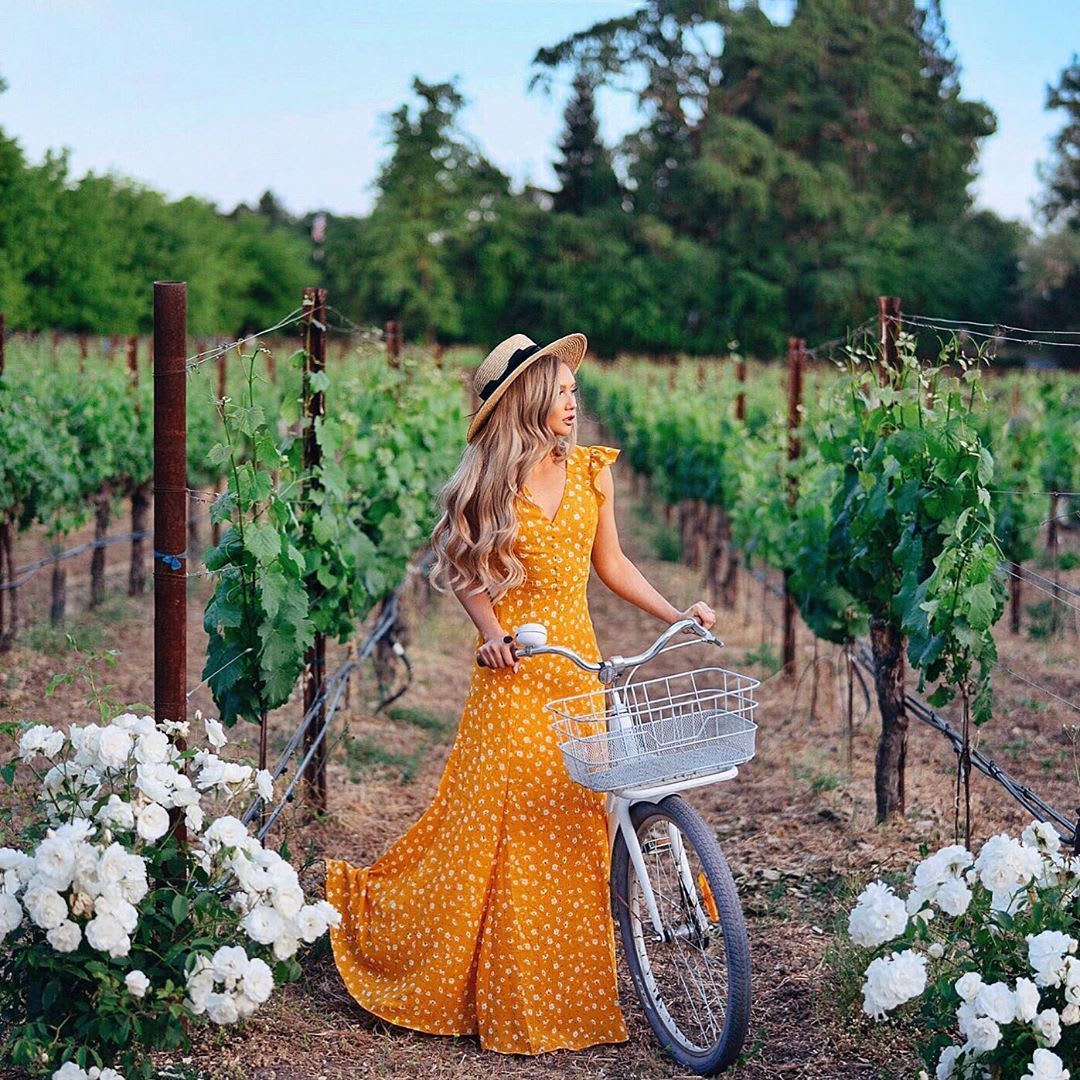
“Natural winemakers honor the soil as simply and truly as possible,” Coly shares. That means no pesticides, agrochemicals or fertilizers to assist the growing process, “which can harm soil for future crops or vines.” This version of winemaking is centered on sustainable farming practices—and much gentler on the earth.
When in Doubt, Decant
It’s normal to nose something a little stronger than you’re used to when it comes to natural wines, thanks to the Brettanomyces yeast that builds up during fermentation. If it’s not your fave, decant the bottle before downing it—the gas will dissipate, leaving behind more pleasant aromas.
Your natural wine shopping guide:
Curious about which sips to try? Start here to find the best natural wine for you:
If you love: Rosé
Try an orange wine, like Weingut Werlitsch “Glück”, $52, vino-vore.com
If you love: Champagne
Try Pétillant Naturel (aka Pét Nat), like Uivo Pt Nat Branco, $24, seagrapewines.com
If you love: Chardonnay
Try Julien Altaber Bourgogne Blanc Chardonnay, $41, seagrapewines.com
If you love: A red blend
Try the beautiful blend that is Casa Dumetz “The Feminist Party”, $36, vino-vore.com
If you love: Côte du Rhone
Try the Syrah/Grenache mashup that is Andrea Calek “A Toi Nous”, $25, bottlerocket.com
Have you tried natural wine? Tell us your thoughts in the comments!
Join The Conversation (0)