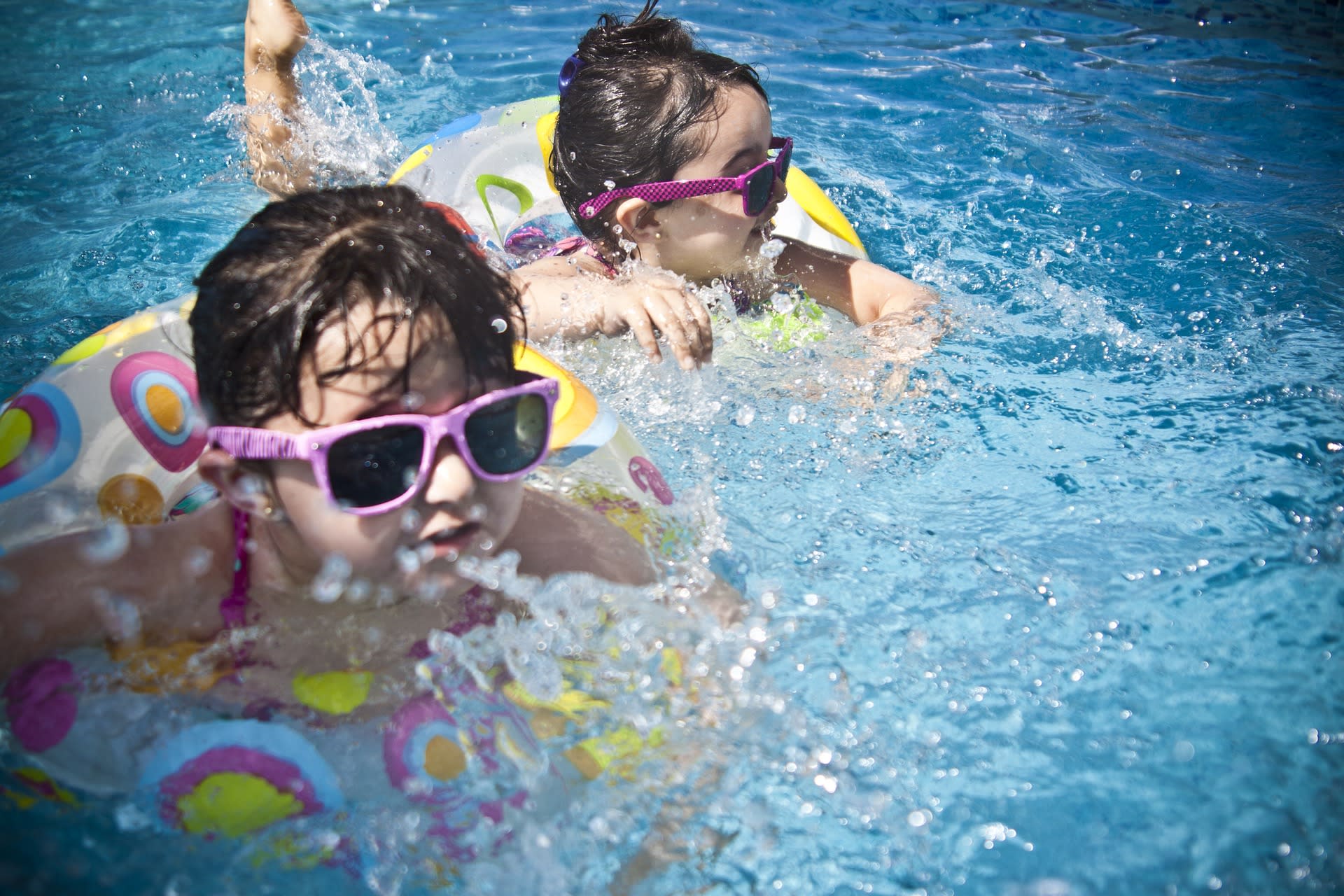
Swimming is a great activity to get your body moving and stay active. It uses nearly all the muscles in your body while having fun and staying healthy. But this does not mean there isn’t some risk involved.
Water safety is #1 when it comes to hanging out at the pool, and as long as you know what to look out for and how to prevent it, you can have the summer of a lifetime!
Drowning Prevention is Key
Drowning is the leading cause of death for children ages 1-4, most of which are 100% preventable. With proper swim lessons and practice of water safety procedures, you can rest assured that you and your children will be safe to have some fun in the sun without fear of the dangers swimming can pose.
Tips for Swimming Safe This Summer
Swimming is a family fun favorite activity in the summer! However, it can also become hazardous if you are not utilizing proper water safety guidelines. Whether in a pool or open water, the most important thing to remember is to adhere to the rules and practices that ensure your and your family’s safety. Even if you are a great swimmer, the tides can turn against you, and something unexpected can happen.
To ensure a fun and safe day in the water, follow these essential swim safety tips:
Deflate Small Pools When Not in Use
Backyard pools are a fun way to bring summer fun to your home! But remember, it is essential to always drain and deflate small pools when not in use. Leaving filled pools out provides the risk that a run-away tot could fall into the water with no adults present. Drowning can happen in as little as two inches of water, so eliminating the risk by draining and deflating is vital.
Keep the Area Around Backyard Pools Clear
Safety is essential not only in the water but out of the water as well. Keeping surrounding areas clear of furniture and other large objects prevents kids from entering the pool in unsafe ways, like jumping off or over chairs.
Fence It In
Keep your pool area fenced in. It should not be easy for anyone walking by to enter your pool without your knowledge. Someone who does not know how to swim or is incapacitated could end up in the water without supervision, leading to a dangerous situation. According to the U.S. Consumer Product Safety Commission, having a four-sided fence that isolates the entire yard from the house reduces a child’s risk of frowning by 83% compared to yards with fencing that does not separate the pool and the home.
Assign a Designated Watcher
Drowning accidents can happen to anyone, even the best swimmers. Kids still need to be watched when they’re in the water.
Get Your Children Swimming Lessons
Knowing how to swim is a vital life skill for anyone; the earlier you start, the better. Getting your child swim lessons not only contributes to learning this life-saving skill but also keeps your kid active and promotes healthy living. Studies show that proper swim lessons help reduce the risk of drowning by 88%.
Learn CPR
If you are heading out to the water, be sure there is an adult present who knows CPR. This is a life-saving skill, and although you may not need it very often, knowing proper CPR can mean the difference between life and death.
Use Drain Covers
Pool drains are known for that gurgling noise they make while filtering your pool, but did you know they are also the culprits of danger? Baggy swimsuits and long hair are both victims of becoming stuck in uncovered pool drains, trapping children underwater, unable to move. Using drain covers can take this worry off your plate.
Stay Hydrated
Going to the pool and beach is a highlight of many families’ summers. But this activity means spending a lot of time out in the sun and being active. Both of these can cause dehydration, so it is essential to drink water and increase your fluid intake when you know you will spend more time outside in the hot weather.
Use Sunscreen
Whether it is 50 degrees and cloudy or 85 degrees and sunny, applying sunscreen will keep you safe from the sun’s harmful rays, even if you can’t see it. Pools are reflective, making the rays harsher. When swimming, ensure your sunscreen is waterproof, and reapply every 2 hours to keep the effects working to protect you.
In the Pool and Beyond
It is essential to be aware of other environments where drownings can occur. This kind of accident doesn’t only happen in pools. A small child can drown in the bathtub, a bucket, or even a shallow puddle.
Additionally, other external factors can affect your and your family’s safety around the water. When heading out into open waters like lakes or beaches, be mindful of these extra tips:
- Check the weather
- The weather can pose serious issues regarding fun in the water. Heavy rain can decrease visibility in the pool, and it becomes unsafe to be in the water if there is thunder and lightning. When it comes to open water, strong winds, and waves can create a risky environment for swimmers by making the seas unpredictable and harder to see. Always check the weather before heading into the water to have the most fun possible while staying safe.
- Avoid Using Flotation Devices
- Relying on inflatables creates a sense of false security. If something happens where the device malfunctions and the user does not know how to swim by themselves, things can take a fatal turn quickly. While floaties can be fun in a smaller, controlled area like a pool, using them in open water can be extremely dangerous.
- Stay Together
- The buddy system is a great way to stay safe in the water! Making sure there is always someone near you in case of disaster is important, even if you are a great swimmer. An accident can happen in water where you become incapacitated, and if you don’t have a buddy, there is not much time before the worst happens. Sticking together provides an extra layer of safety!
More Swim Resources
Water Safety with Colin and Friends
Water Safety In and Around Water
National Drowning Prevention Alliance
Join The Conversation (0)