Travel is one of life’s great joys, but there’s a lot that goes into it—the planning, booking, packing, repacking, and then there’s the whole journey and process of actually getting to wherever you’re going. Sometimes it seems like you need a vacation from planning your vacation. Fortunately, there are some simple travel safety tips–and hacks for how to survive a long flight–to ease every traveler’s life.
Ahead, find out how to get to your destination in relative comfort, and stay safe once you arrive. Memorize this list now, so you can spend the rest of your time relaxing and enjoying your trip (and then plan for the next one).

How to Survive A Long Flight
1. Hydrate.
It’s no secret that recirculated airplane air is not the ideal environment for looking your best. Air cabin humidity is usually low, around 20 percent (home humidity is generally above 30). And while low humidity is not harmful to your health, it can cause discomfort and dry skin, as your parched hands and lips mid-flight have probably attested to. The Aerospace Medical Association recommends drinking eight ounces of water for every hour.
Other ways to get a little extra H20 into your skin and body include nasal or face misters (3 oz. travel size versions, of course) or hydrating face masks. You may get some strange looks from other passengers using the latter, but hey, that’s the price of beauty.
2. But maybe BYO water.
Not all water is created equal when you’re flying. Airplane tap water has a notoriously bad reputation and according to a 2019 study by CUNY’s Hunter College NYC Food Policy Center, there is some truth to that. Various airlines were given “water health scores” based on things like fleet size, positive E. coli and coliform water sample reports. American and Allegiant Airlines had the safest drinking water, while JetBlue and Spirit Airlines were at the bottom of the list. The authors advised that if you want to be “extra safe,” never drink any water that isn’t in a sealed bottle, avoid the coffee and tea, and use hand sanitizer instead of washing your hands in the bathroom. Also, bring a reusable bottle and fill up before boarding, or suck it up and pay for the overpriced water at one of the airport stores (hey, it beats drinking free bacteria, right?).
3. Avoid booze and caffeine if you want to sleep.
It may be tempting to take advantage of the free alcohol on international flights, but if you do want to catch a few zzz’s, Tracy Stewart, content editor at airfare deal site, Airfarewatchdog, says, “Do yourself a favor and skip the wine with dinner, and avoid coffee. Not only do these ruin your REM sleep cycle, but they leave you dehydrated and groggy. If you can’t bear the thought of giving up coffee, at least ask for decaf.”
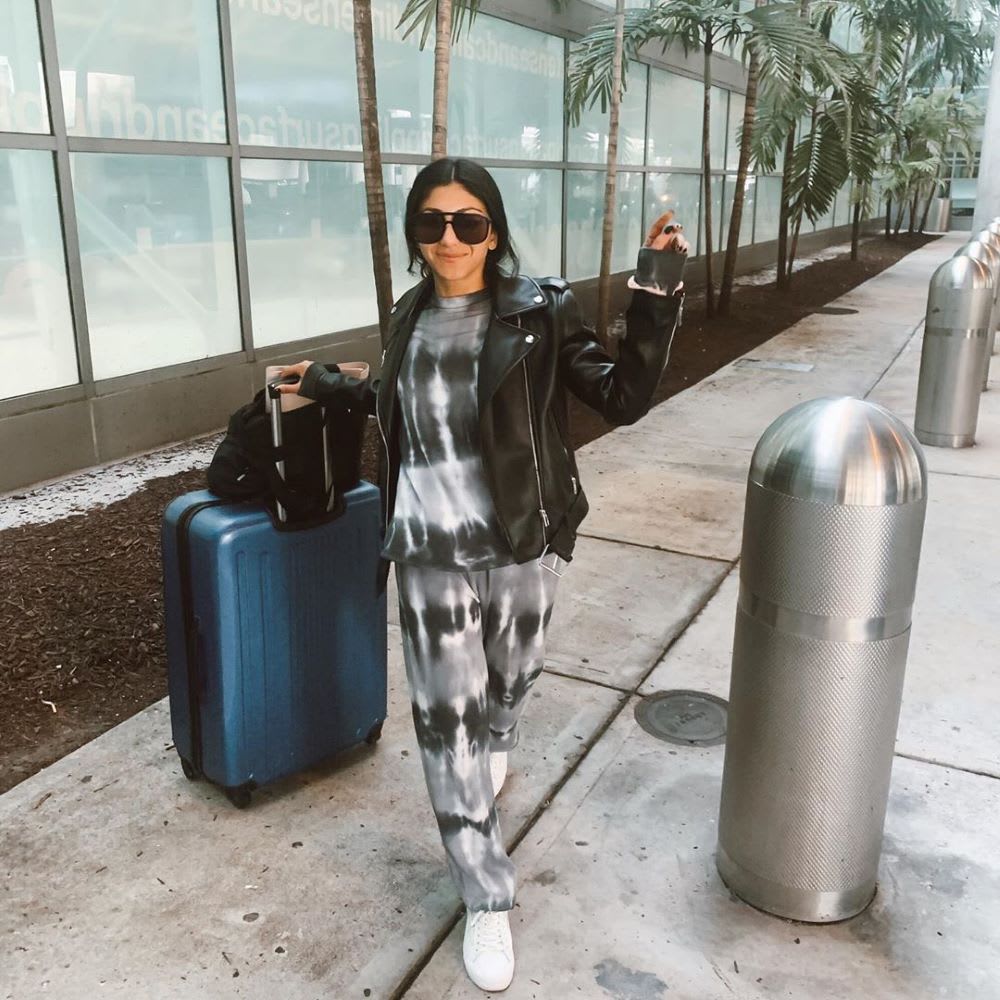
4. Pick your seat wisely.
“Everyone has their own personal reasons for choosing the seat they like, and each has its pros and cons,” says Stewart. “If you know you’re the type to make frequent trips to the bathroom, or you have a tendency not to sleep so much on long flights, go for the aisle. But if you hope to cram in as much sleep as you can, opt for the window seat. By choosing the window, you’ll have control over the window shade, plus an extra wall to support yourself while nodding off.”
5. Sanitize your space.
We regret to inform you, but airplane seats are “shockingly filthy places. Tray tables, seatback pockets, and armrests are all crawling with bacteria and rarely if ever get cleaned as well as they should,” says Stewart. Her advice is to “take a tip from Naomi Campbell and sanitize the area around your seat using an antibacterial wipe.” (ICYMI, the supermodel uploaded a YouTube video last year detailing her airplane routine, which involves putting on gloves and wiping down every surface of and around her seat, bringing her own seat cover, and wearing a protective face mask).
6. Mind your health.
Even after all that sanitizing, being squeezed in a tiny space with a lot of people means there are a lot of airborne germs floating around. Pick up a face mask, or give your immune system a little boost. Kyle Valenta, Executive Editor at travel review site, Oyster.com, says, “I also always pack a zinc supplement with me, as coming down with a cold two days after flying is an unfortunate and regular part of traveling.”
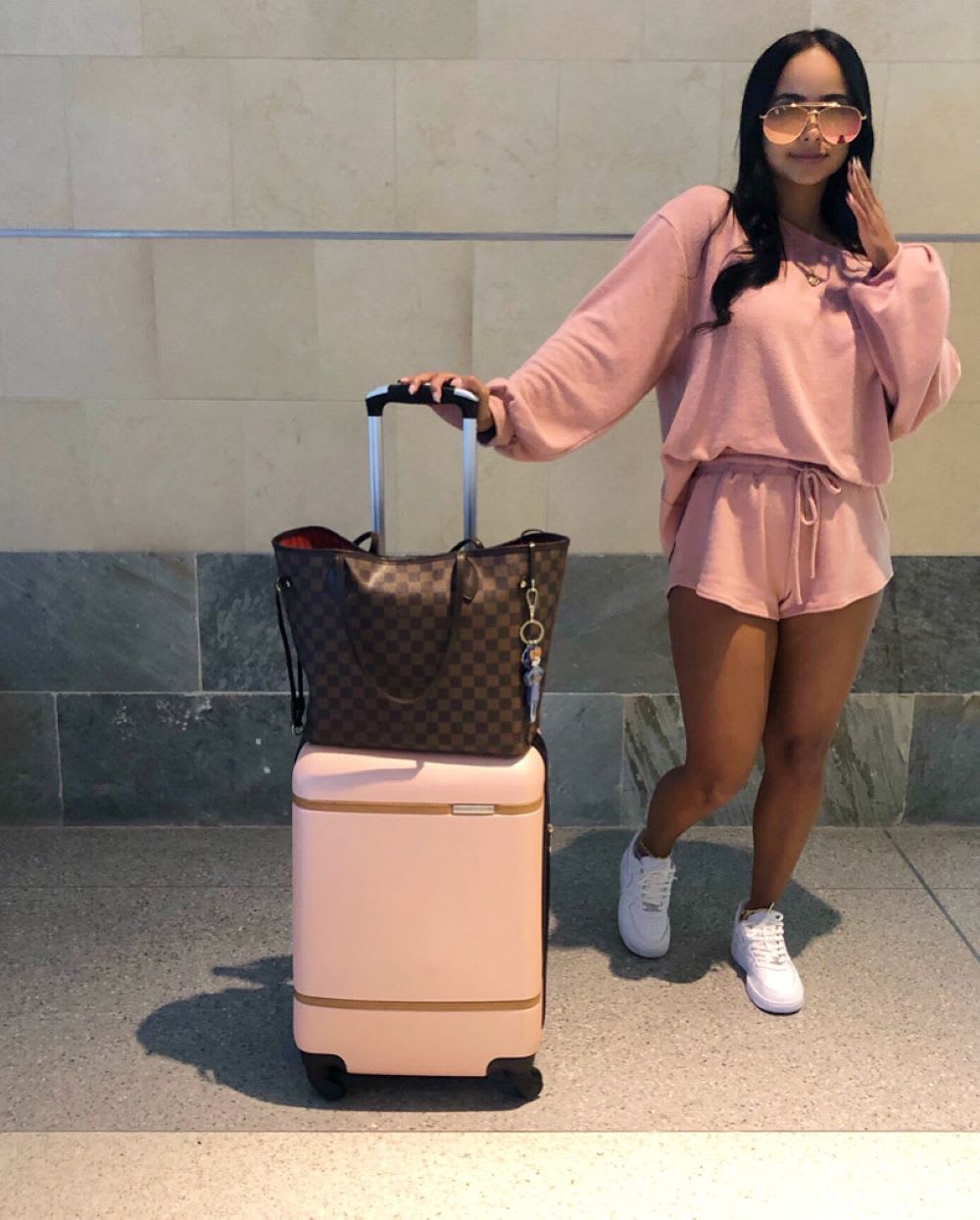
7. Dress for comfort.
“Everyone wants to look cute when they fly, but now isn’t the time for overly complicated boots, gladiator sandals, or anything else that requires a lot of lacing, fastening, or tugging,” says Stewart. “Not only will you be miserable in your seat, but don’t forget that feet tend to swell on long flights.” Pack the fancy shoes and opt for something comfortable. One way to reduce swelling is to wear a pair of compression socks, which can help increase the blood circulation in your legs and feet.
8. Outsmart jet lag.
Traveling cross-country usually doesn’t cause a huge disruption in your schedule, other than making you an uncharacteristically early or later riser. But when you’re dealing with traveling across many time zones and a 12+ hour time difference, your body clock takes a hit. Exposure to sunlight is the best way to adapt to a new time zone, according to the Aerospace Medical Association, which recommends trying to get some exercise and sun to help adjust quickly during longer trips. Also, try to get on your new time zone’s schedule as quickly as possible—yes, you’ll be tired after a long flight, but resist taking a nap immediately after you land and try to power through until nighttime. Your body will thank you the next morning.
9. Invest in a good pair of noise-canceling headphones.
Valenta says “noise-canceling headphones for the plane ride are a must, especially on any long-haul flight where you’re hoping to get some sleep. However, even on shorter flights, it’s worth investing in a good pair to eliminate any noise from chatty seatmates or the inevitable upset baby.” Plus it will make your movie-watching session that much more enjoyable.
Travel Safety Tips
10. Don’t underestimate the power of common sense.
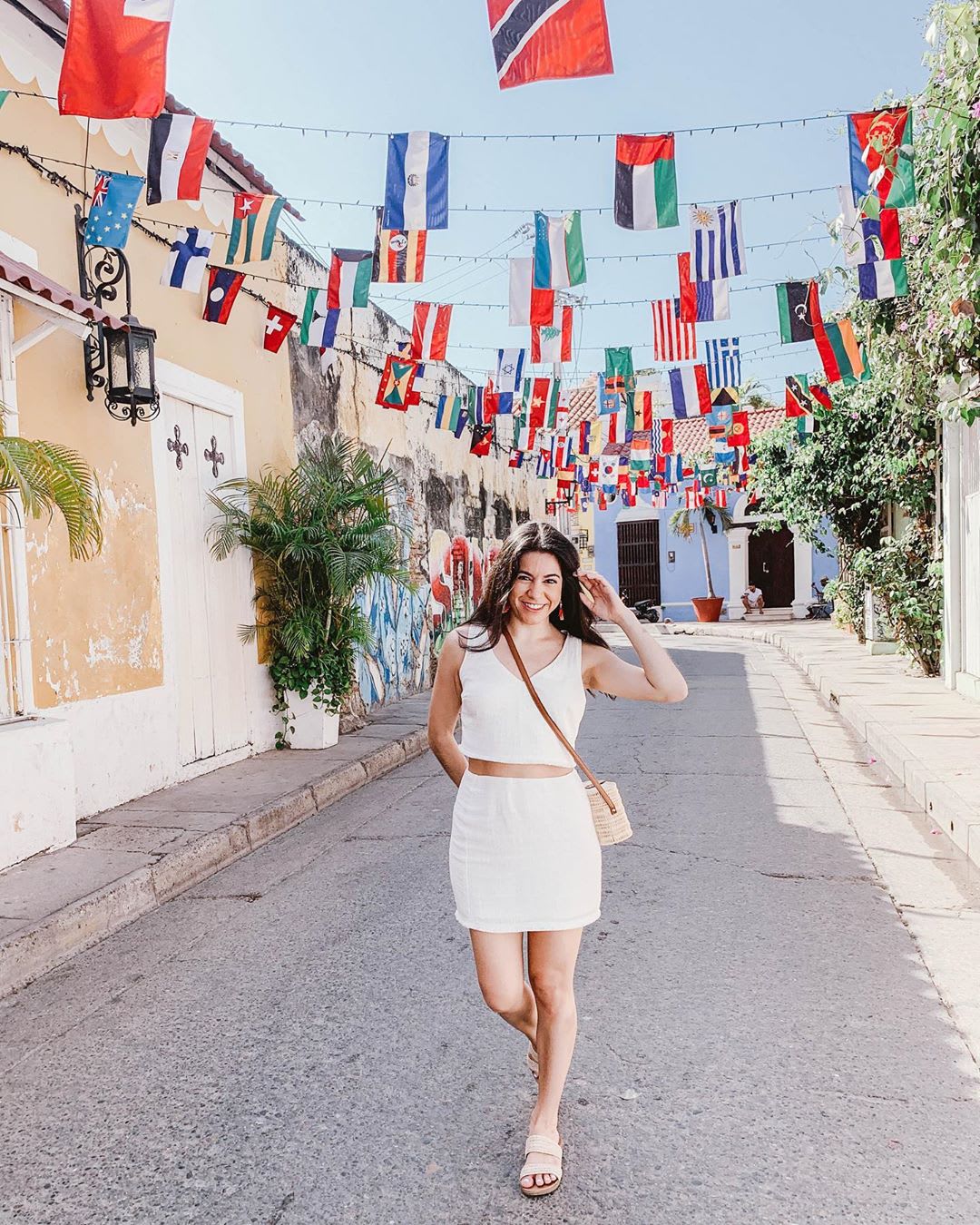
“In most destinations, common sense will go a long way,” advises Valenta. “The truth is that tourists make easy targets, most often because they are found in high concentrations in specific areas of any given destination (think: Times Square, the Trevi Fountain in Rome, and so on). Unsurprisingly, this is where the majority of petty crimes will occur.” Be extra aware of both your belongings and surroundings when in highly touristy areas, regardless if you’re traveling alone or with others.
11. Watch your valuables.
Valenta advises, “avoid carrying anything valuable in your back pockets. Try dividing up your bank cards and credit cards, as well as cash, in your front pockets and a money belt that’s worn under your clothes. If you must carry a purse, make sure it latches closed and wear it across your body. Backpacks also make easy targets, as the outside pockets are unzipped without the victim noticing. Roll-top backpacks without external access zippers and bags that provide a larger flap over the main compartment’s enclosure are your best bet.”
12. Protect your passport.
Misplaced luggage or translation mishaps are minor concerns compared to losing or getting your passport stolen. Make copies of your passport before you leave. Stash one at home with a friend or family member, and carry one with you, but lock up your actual passport in your hotel safe or other secure location when you arrive. The US Department of State also recommends keeping your passport separate from your money and out of your back pocket.

13. Have a stash of cash.
“Always keep a reserve of USD in cash with you during your trip. We recommend at least $100. Leave this stored in your hotel’s safe,” says Valenta. Having some backup cash could come in handy in a pinch or if you have problems with local ATMs.
14. Bonus: It’s possible to get hotel upgrades (sometimes).
Although free upgrades are probably the exception rather than the norm, it never hurts to ask nicely. Valenta says, “In hotels, it can pay off to make contact with the front desk ahead of time with a special request (so long as that special request isn’t absurd and is, in fact, legitimate). If it’s your first time visiting a city and you’d like an amazing view, let them know. There is absolutely no guarantee that this will work, but occasionally when you show up that day to check in you may find yourself pleasantly surprised. I find that this trick works best at luxury properties.
“However, don’t expect to get a suite when you’ve booked a standard room. The upgrades we’re talking about are more humble—you’ll score a higher floor room instead, or a deluxe room instead of your standard one. Even so, it’s a nice gesture that hotels can use when they have the inventory to do so.”
Have any other travel safety tips or hacks for long flights? Tell us in the comments–and shop all the pieces you need to pack in our vacation shop!
Join The Conversation (0)
Thanks for sharing these great tips!
‘Avoid booze and caffeine if you want to sleep.’ – this is the key one for me! 🙂 In this quarantine world time, it is nice to seat and plan your future vacations.