As the joke goes, you always know if someone is vegan because they can’t stop talking about being vegan. But lately, veganism and plant-based eating, in general, seem to be topics of conversation in broader circles. The buzz around the 77th Golden Globes was partly due to its first-ever vegan menu to create awareness around climate change, and Game Changers, a documentary about the high performance of plant-based athletes hit Netflix last year. Meanwhile, Veganuary, originally a UK-based campaign to encourage people to go vegan in January (and beyond) received a US push, providing resolution-seekers an option instead of–or in addition to–Dry January.
If there’s one group that deserves some time in the spotlight, it’s plant-based foods. There are countless benefits to plant-based eating, on both an individual and global level. See? Your mom was right after all about making you eat your veggies! Read on for why you should stop pushing them to the side of your plate–and how to actually enjoy them.

It’s not a new trend.
Even though it may seem trendy, “plant-based eating is not a trend, it’s been around forever,” says DJ Blatner, RDN, Daily Harvest nutritionist, and author of The Flexitarian Diet. “However, it definitely is picking up mega-mainstream momentum in 2020. It’s more popular than ever because it’s easier and tastier to do than ever before.”
She notes that there are a growing number of plant-based options in grocery stores and restaurants that actually taste good, as well as food delivery companies like Daily Harvest that ship plant-based smoothies and bowls directly to your front door.
Even fast-food chains are on the bandwagon, offering plant-based meat alternatives (though not all are vegan). Burger King and White Castle have Impossible burgers on their menus; Carl’s Jr. and McDonald’s both have Beyond Meat options. Gone are the days where eating vegan or vegetarian meant getting served what essentially looked like a plateful of garnishes.

The benefits of eating plant-based go beyond the body.
“The main motivation for most people to adopt a more plant-based diet is health, and there’s the important added bonus that it’s good for the planet too,” says Blatner. Even just a month of plant-based eating, according to Blatner, can lead to benefits such as:
- Increased energy and better digestion
- Decreased mind fog and improved sleep quality
- Better mood and increased confidence with new habits
- Clearer skin and possible weight loss
Although more research is needed to show the impact of plant-based diets on long-term health, there are some promising studies. A 2019 study published in the Journal of the American Heart Association showed that plant-based diets are associated with a lower risk of cardiovascular disease and mortality. In another 2019 study by the University of Nottingham, researchers found that by cutting your red meat consumption by half, you can reduce the amount of bad cholesterol in your blood and effectively lower your risk of heart disease.
However, any significant positive changes in health markers associated with plant-based diets—like lower cholesterol, blood pressure, and triglycerides—don’t happen overnight. Blatner says those can take about three to six months.

Eating plant-based also has larger impacts on the environment. In an October 2019 report published in Proceedings of the National Academy of Sciences (PNAS), researchers found that focusing diets on foods associated with positive health (whole grains, vegetables, fruits, legumes) could also have a lower environmental impact and thus help meet international sustainability goals.
This is obviously simplifying a much larger problem and would require more than just your average person eating more vegetables—e.g., systemic shifts in nutrition and diets across the world would likely be required. But any progress is good progress–and it’s a nice bonus that eating healthier also means eating more sustainably.

Just because it’s plant-based or vegan, doesn’t mean it’s automatically healthy.
Note there’s a difference between being plant-based and vegan. Vegan excludes all meat, poultry, fish, and animal products such as eggs, dairy, and gelatin. Plant-based diets emphasize plants as the main foundation of eating, while allowing for meats and animal foods as a smaller portion of meals. Different types of vegetarians may also abstain from meat but eat dairy and eggs.
The key to seeing benefits from a plant-based diet is to make sure you’re doing it correctly. Blatner says, “Many times going plant-based means people aren’t eating enough plant-protein or they are choosing too many faux chicken nuggets & burgers. And the most important part of plant-based is eating lots of fruits and vegetables!”

Technically, many types of potato chips are vegan, but that doesn’t give you free rein to endlessly snack on them. When shopping for plant-based foods, Blatner advises to read nutrition labels and ingredient lists and avoid foods that have CRAP: Chemicals you don’t use in your kitchen; Refined flour and sugar; Artificial flavors, colors, and sweeteners; and Preservatives.
Blatner also mentions that if you do choose to go full vegan, it’s possible to experience nutrient deficiencies. She says to pay particular attention to your levels of protein, iron, zinc, calcium, vitamin D, omega-3 fats, and B12. When in doubt, consult a Registered Dietitian Nutritionist.
Should you buy organic?
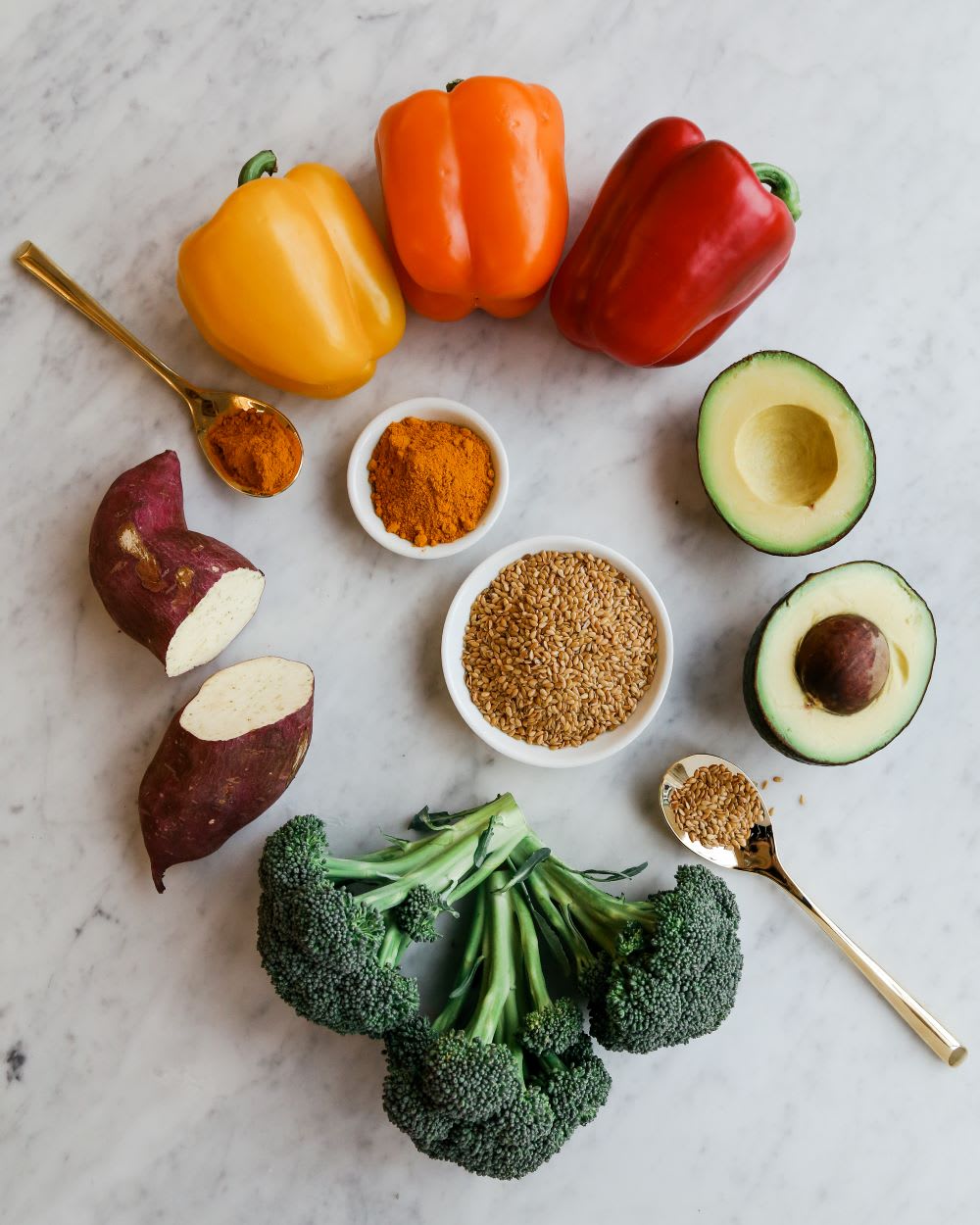
Ah, the age-old organic vs non-organic question. Blatner focuses on the fact that people don’t eat enough fruits and vegetables (in a survey done by Daily Harvest, 72 percent of Americans said they did not eat fruits and vegetables every day). “So don’t put major pressure on yourself and wallet to buy organic, the first step is to just start buying & eating more produce… conventional or organic,” she says.
She points to the EWG’s dirty dozen list, which ranks which fruits and vegetables are most contaminated with pesticide residues and thus you may want to buy organic when possible. The latest list includes strawberries, spinach, kale, nectarines, apples, grapes, peaches, cherries, pears, tomatoes, celery, and potatoes.

It’s easy to incorporate more fruits and vegetables into your diet.
Even if you don’t go full-vegan, focusing on more plant-based foods in your daily life is easier than you think. Here are a few tips to start with:
-
- Start small. “Try one new plant-based recipe each week,” suggests Blatner. “That way at the end of the year, you will have tried 50+ new things… some of which you will love & will become part of your regular rotation!”
- Have easy options on hand. “Keep quick plant-based options stocked like Daily Harvest. I always have Daily Harvest smoothies, soups, and harvest bowls in my freezer so I can grab a nourishing fruit & veggie based meal in minutes,” she says
- Don’t forget the protein. Stay full by including plant-proteins in meals and snacks. There are plenty of options such as beans (garbanzo, black, edamame), lentils, nuts, seeds, nut or seed butters, tempeh, and tofu.
- Eat veggies you like. Life is too short to eat bad food. It’s okay to not like vegetables that everyone else likes. Keep an open mind, and try things several times and in different ways to find what suits your personal tastes.
- Don’t be afraid to go frozen. Frozen produce can often be healthier than fresh produce. Fresh produce is often harvested before it’s ripe (i.e., before peak nutrition), ripens in transit to stores, and can contain chemicals or preservatives to maintain freshness. Frozen produce, on the other hand, is often allowed to naturally ripen, then frozen immediately after, locking in nutrients.
Have questions about plant-based eating or Veganuary? Ask in the comments–and keep the vibe going by shopping vegan shoes here!
Join The Conversation (0)