
As the weather warms, the number of smoothies we sip increases exponentially (OK, so that’s not an actual fact, but it’s a highly probable one). A casual stroll into the protein powder aisle to boost your smoothie’s staying power can, however, become instantly overwhelming. With all the new options on the market, it’s hard to know which protein powder is best for your body (and budget). And do you actually even need one? From whey to pea powders, we’re breaking down the basics of what to put in your blender for best results. Ahead, your most common questions about how to use protein powder, answered.
1. Do I need to use protein powder?
One of the major protein powder benefits is that they can combine a lot of nutrition into a relatively small package. In that sense, protein powders can be highly useful if you’re looking for an on-the-go meal option (hello, smoothies). They’re also helpful if you’re trying to pack in more protein to meet a fitness goal, or if you’re in need of a post-workout recovery drink—as added protein is essential for muscle growth and recovery. But do you need one outside of these situations? Not really.
Protein powder is ultimately a convenience food, and not *totally* necessary unless you really need to up your protein. Most of us get plenty of protein (the recommended amount for most women is 46 grams; a five-ounce chicken breast has 44 grams). But if you’re switching to a new plant-based diet and no longer getting most of your protein from meat, or if you’re pregnant and want to be sure you’re getting adequate protein to support your growing babe (you’ll need 75-100 grams during this time), you might want to consider a powder.
You can also increase your protein intake by incorporating more meat, nuts, beans, and tofu to your everyday diet. But if that sounds like too much work, protein powder is a super concentrated, no-cook, no-fail solution to that end.
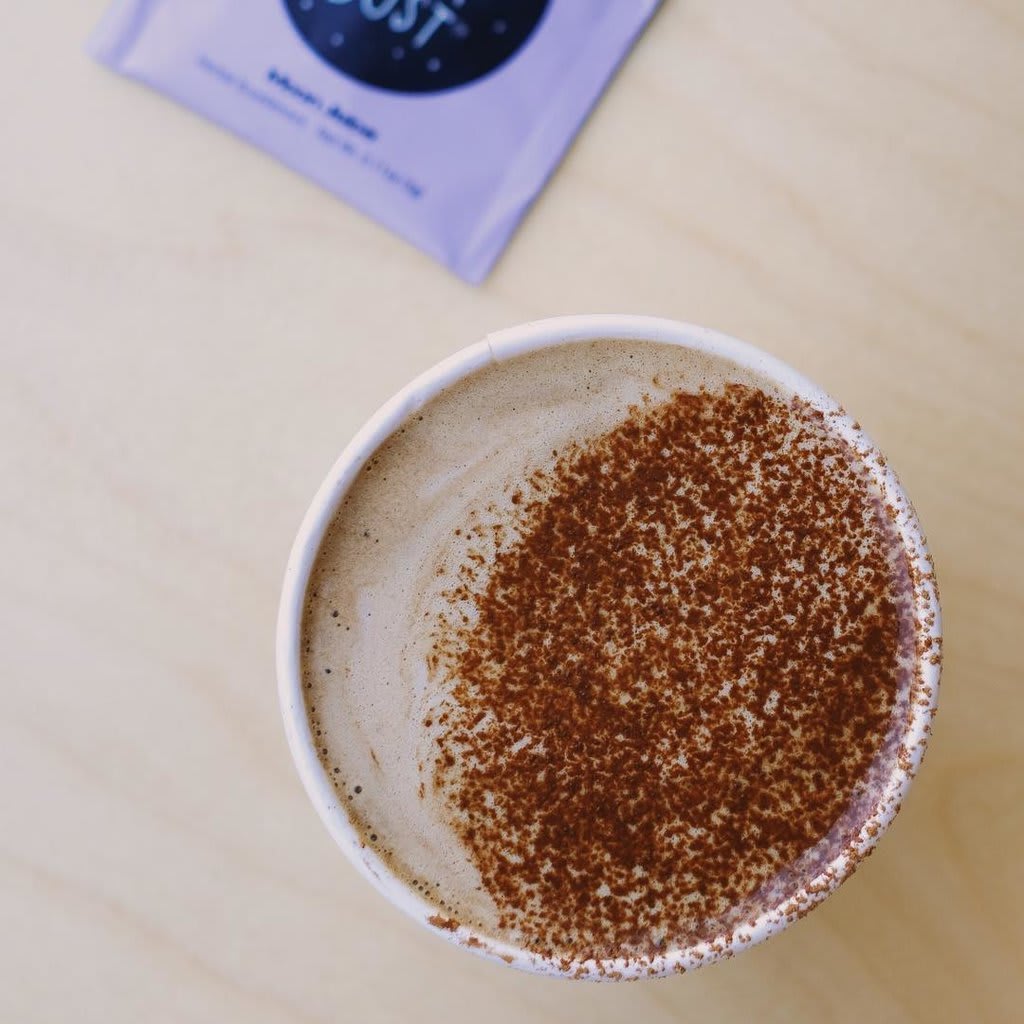
2. I’m not really a smoothie fan. How else can I use protein powder?
Protein powders definitely have a life beyond smoothies: I like them stirred into pancake batter or muffin mix, swirled into coffee, or blended up with a frozen banana and cocoa powder, poured into popsicle molds, then frozen. They’re surprisingly versatile: Try mixing a couple of tablespoons with 8 ounces of water or milk/nut milk and using in your favorite baking recipes, or add to hot drinks.
3. How to use protein powder if I’m on a specific diet?
If you’re plant-based: Don’t worry about getting a “complete” protein source. We now know that our bodies don’t require every amino acid be present in one meal—or even in the same day, which means no complicated pairing up of different seeds and grains to worry about. Try a pea or hemp-based source rather than a soy option.
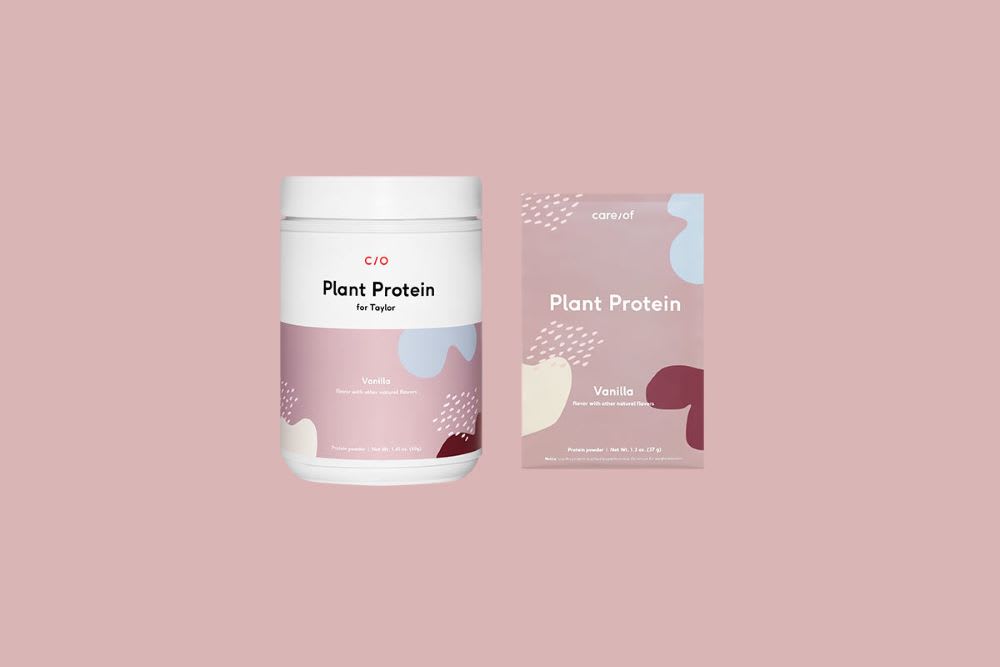
Shop It: Care/Of Plant Protein
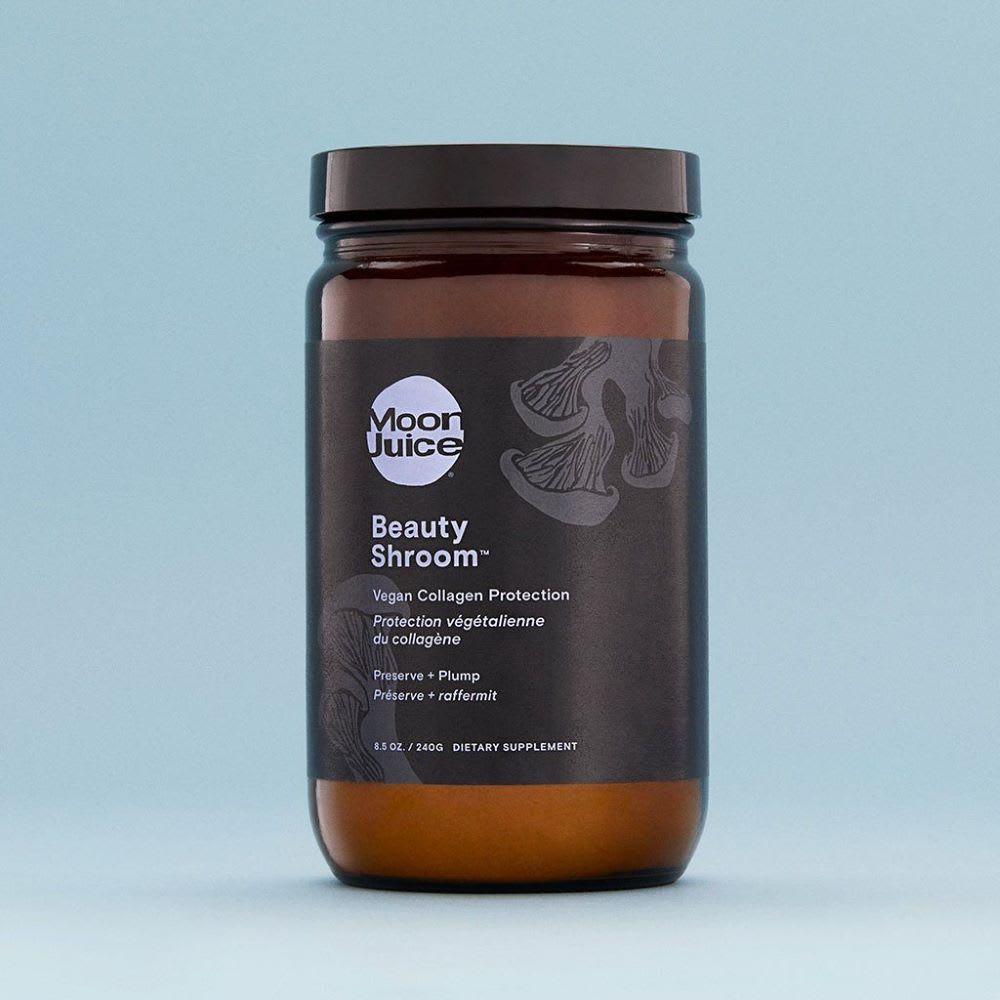
Shop It: Vegan Collagen: Moon Juice Beauty Shroom Vegan Collagen Powder
If you’re paleo: Go for a collagen or bone-broth-based formula, ideally sourced from grass-fed beef. You could also try a formula made from egg whites, which is relatively tasteless and blends up nicely with other ingredients.
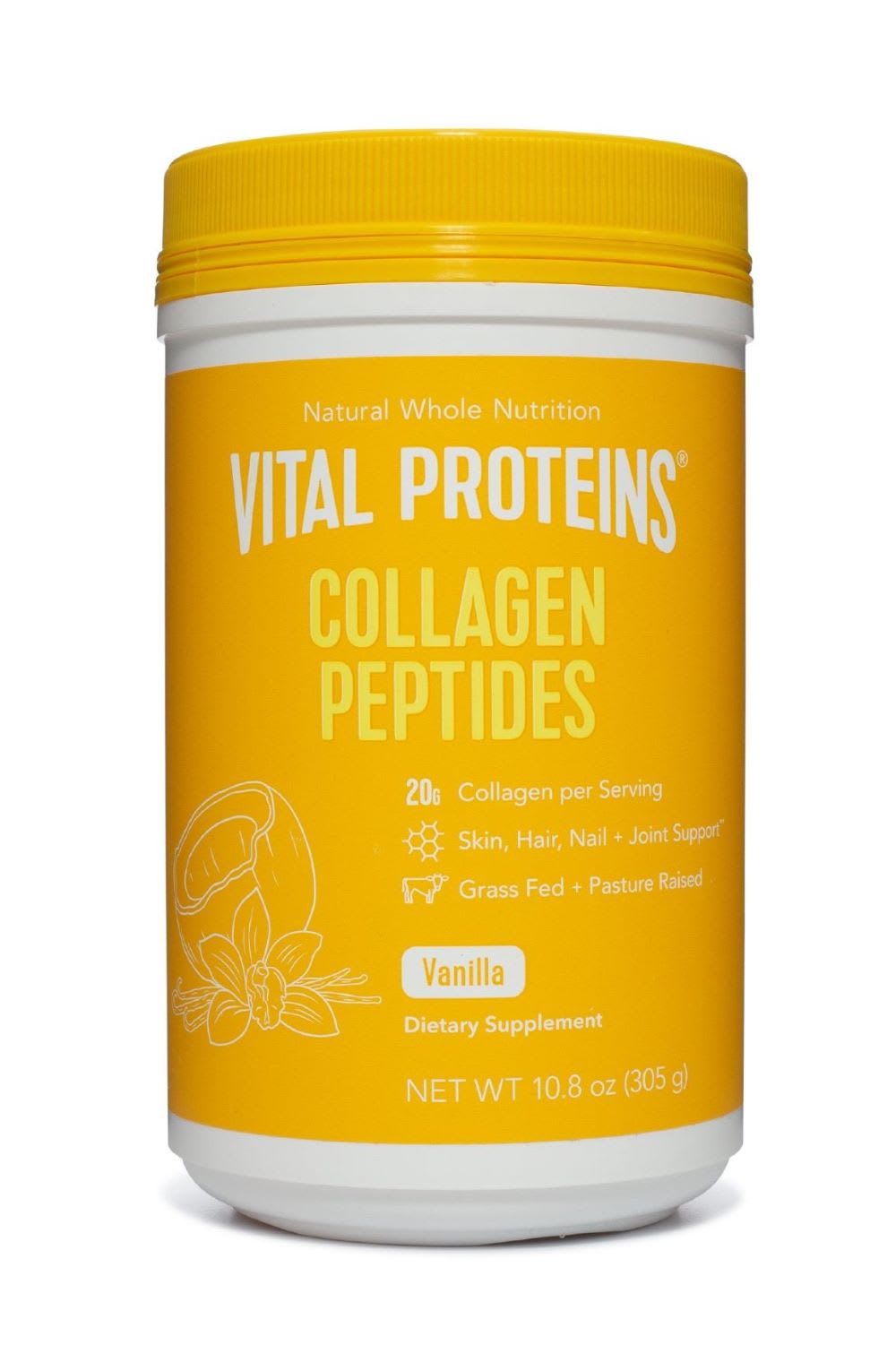
Shop It: Vital Proteins Collagen Peptides
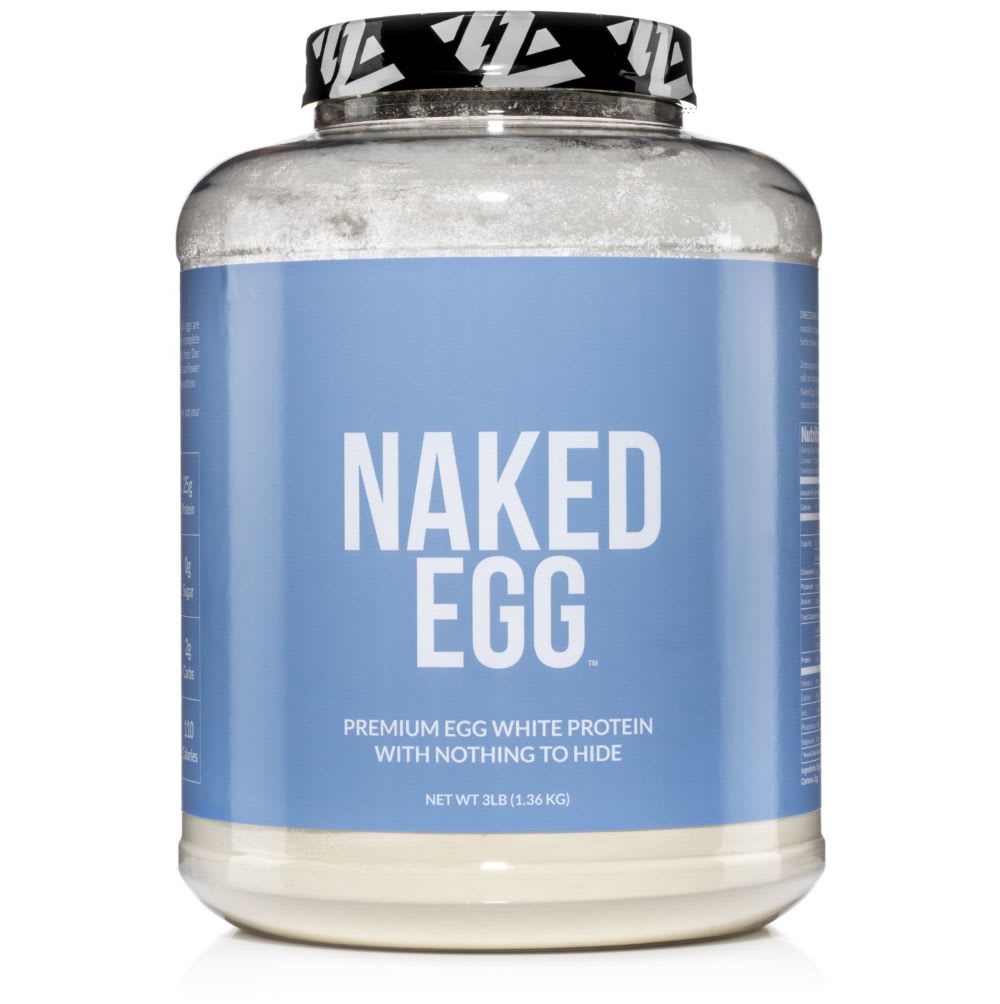
Shop It: Naked Nutrition Naked Egg
If you’re trying keto: Look for whey and collagen powders, but be sure you’re not overdoing it on the protein—as it might alter your macro levels (the ratio of proteins/fats/carbs that’s all-important on a keto protocol). Combine your powder with MCT oil or coconut milk to get a hefty dose of plant fats in there, just to be sure.
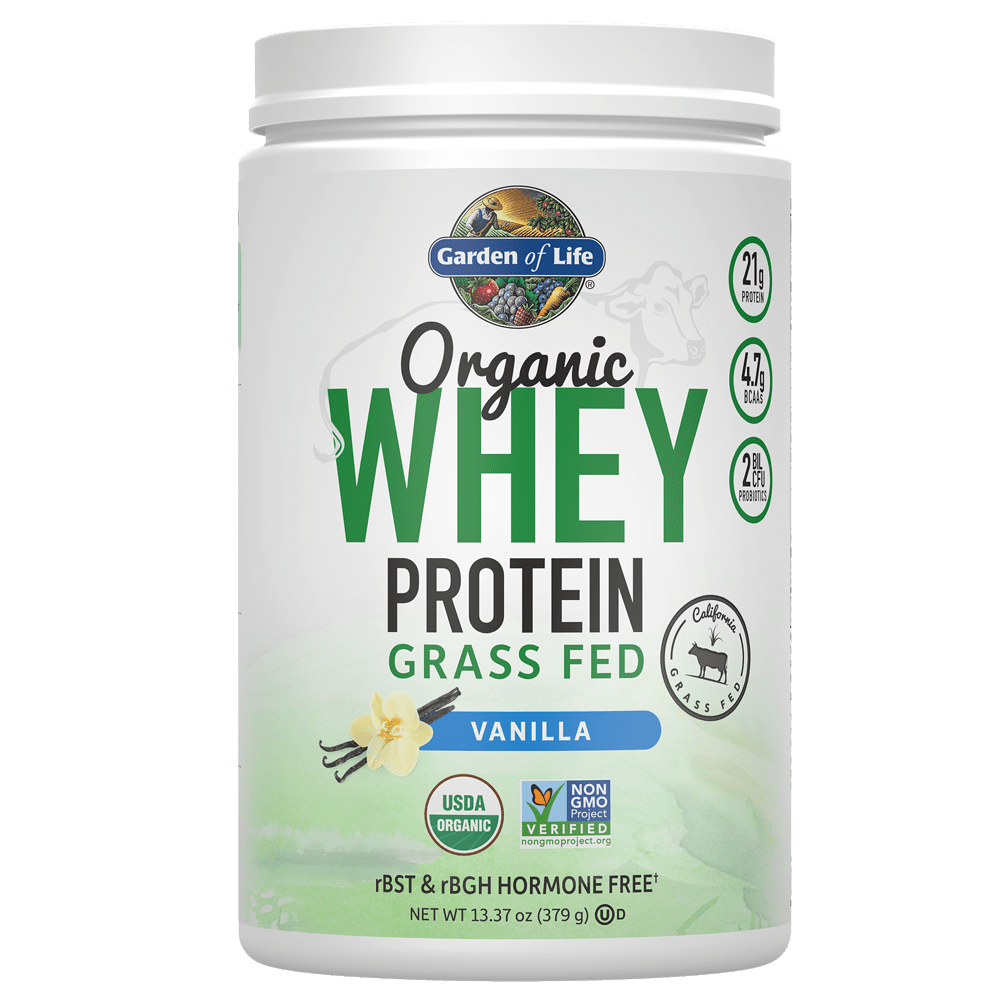
Shop It: Garden of Life Organic Whey Protein
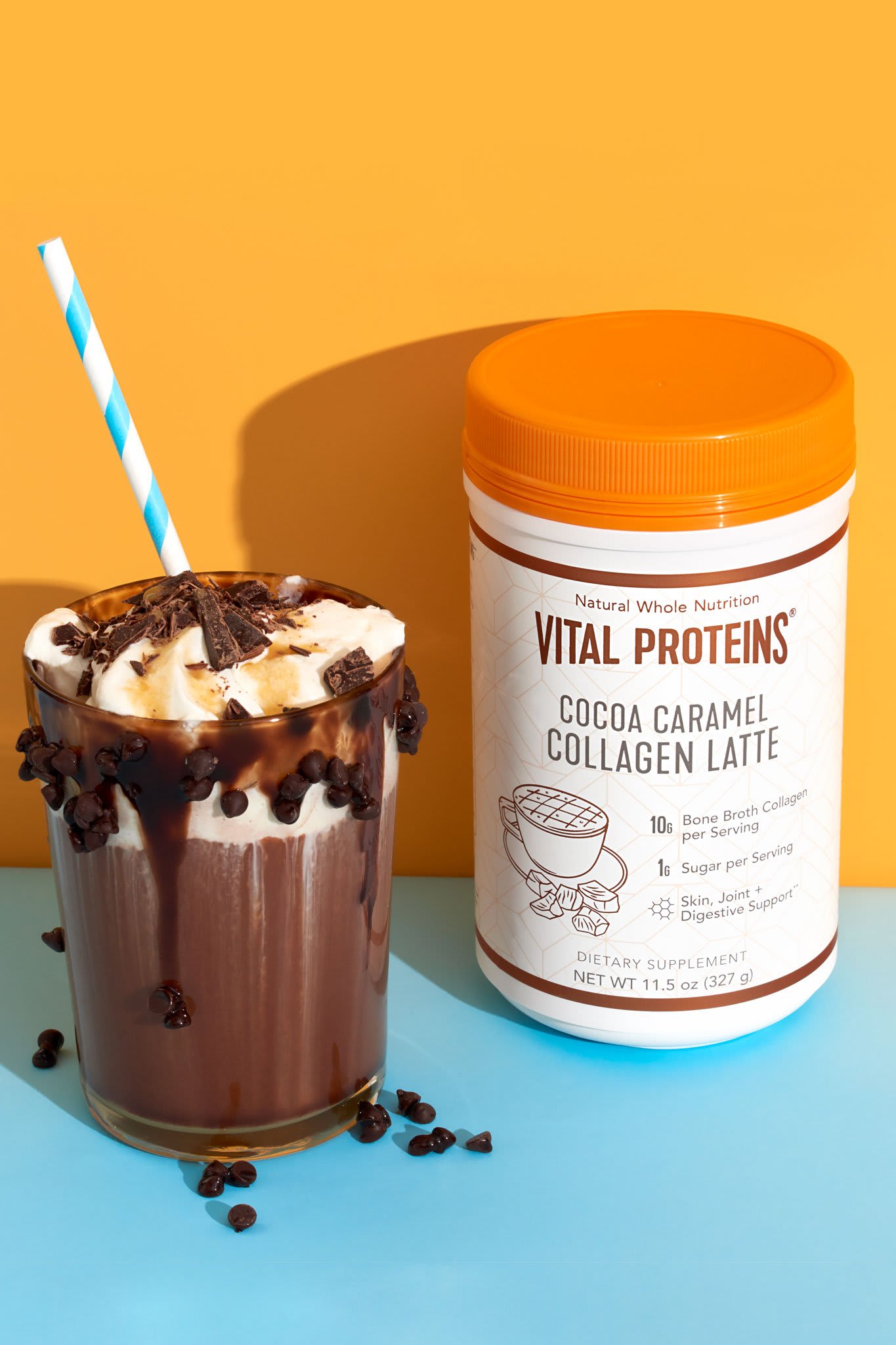
Shop It: Vital Proteins Cocoa Caramel Collagen Latte
4. What’s the deal with collagen powders?
Collagen is a protein that makes up the structure for bones, joints, skin, hair, and nails—it’s in everything. Because collagen naturally starts to decline in your 30s, numerous products are hitting the market to stop that unfortunate fact. Taking collagen is purported to help with joint pain, bone support, and reduce fine lines/wrinkles in skin.
Some small studies have found it effective for improving skin texture, but because collagen is a true protein, it gets digested just like other proteins. That means it’s broken down to amino acids, which then are reconfigured and reused by the body into whatever’s necessary—supporting your brain/heart/lungs, for example. Do those collagen amino acids reconfigure into more collagen and go directly to your face? It’s not impossible, and certainly, some do, but I like to view collagen as more of a protein source than a skincare tactic.
5. What ingredients should I watch out for?
Because you’ll likely incorporate protein powder into your daily routine, and because they’re super concentrated, your powder ingredients definitely matter. In recent years, Consumer Reports has found heavy metals such as lead, cadmium, and arsenic in several popular protein powders (scary!), which can accumulate in the body and cause damage to your organs and brain tissue. Yikes.
That’s why it’s very important to look to brands that are super transparent about ingredient sourcing–and that actually use unbiased third-party testing on their products. The biggest culprits for heavy metal exposure are soy- and rice-based formulas, thanks to current farming practices.
There are also a lot of junk ingredients in many protein powders—everything from artificial sweeteners to preservatives and dyes (yuck), so get comfortable reading labels to make sure you know what you’re blending up.
Ready to score some protein powder benefits? Hello, summer smoothies! Whip up this strawberry smoothie recipe and sip on repeat.
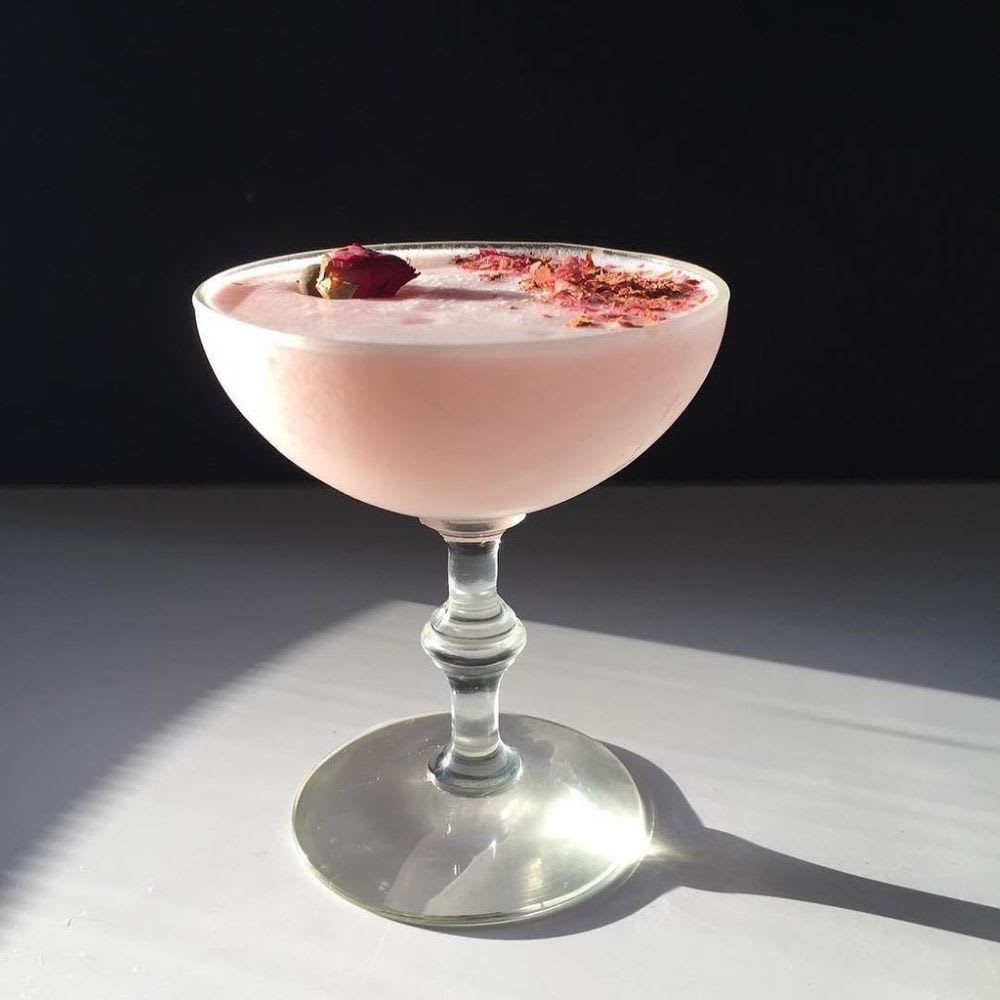
Strawberry Protection c/o Moon Juice
(Serves 1)
Ingredients:
8 ounces almond milk
1 tablespoon Vegan Collagen Protection
1 cup frozen strawberries
1 teaspoon rose water
1 teaspoon Beauty Dust
Instructions:
Blend on high. Sip in bliss!
Jessica Waller is a clinical nutritionist and health and wellness writer with a passion for science-backed self-care. She’s always on the lookout for healthyish comfort-food recipes, statement shoes, and new wellness trends to obsess over (earthing, anyone?). Find her most recent musings on nutrition and self-care at WELLTRIBE.
Join The Conversation (0)