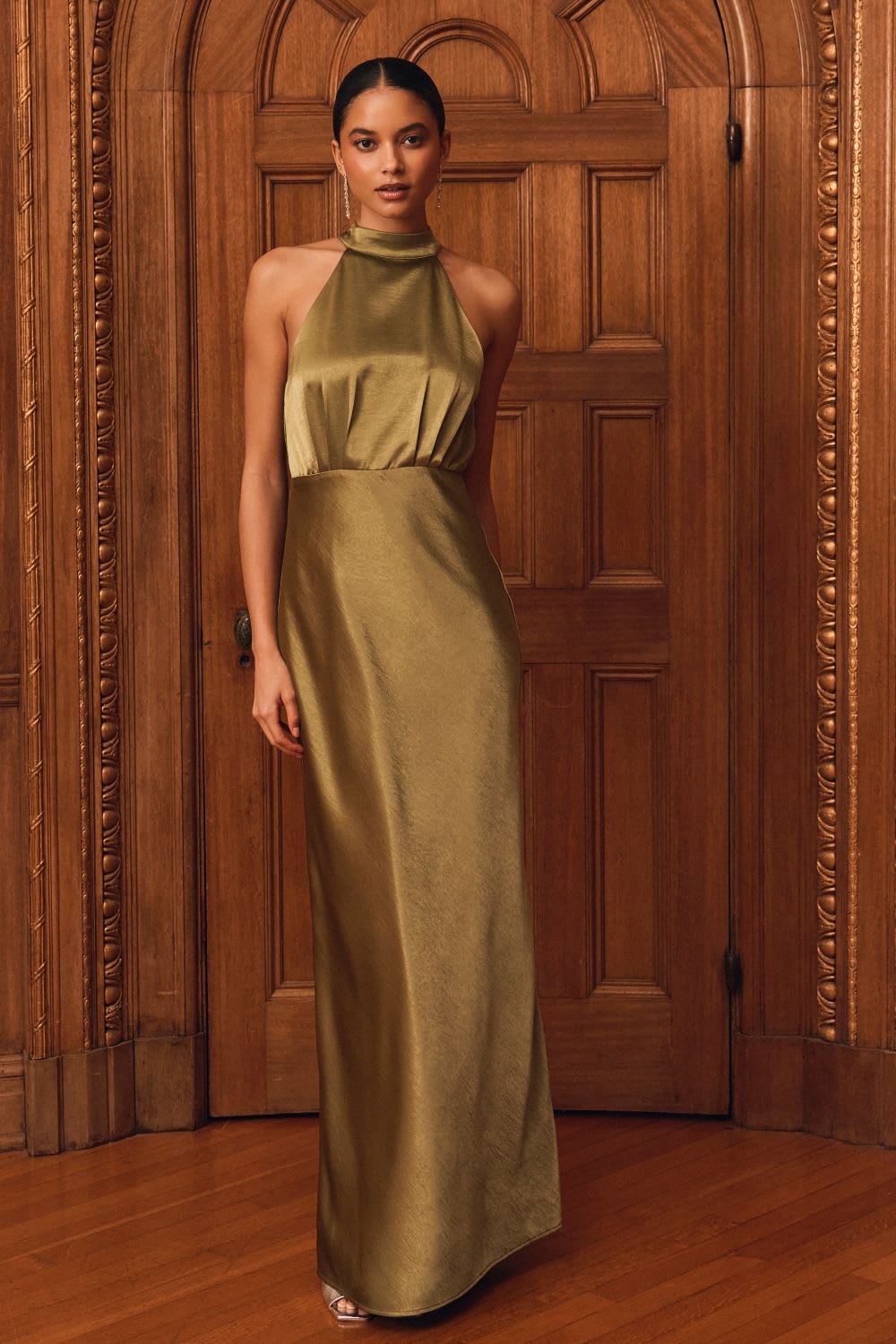
Show of hands: Who hasn’t dreamed of the perfect enchanted evening gown? You know the one. Floor-sweeping and silky, the kind that catches the light with every step. Maybe it’s draped in stunning detail, or maybe it makes its statement through pure, refined minimalism. Either way, it’s the gown you get swept away in—or the one that does the sweeping for you.
Here’s the thing, though: the princess-gown dream doesn’t have to end at prom. For grown-ups, there are galas—and gala dresses are, quite simply, your adult invitation to finally live out every ballroom fantasy you’ve ever had. Think gorgeous formal silhouettes, elevated fabrics, and the kind of details that make people stop mid-conversation to ask, “Where did you get that dress?”
But before we get into the good stuff (and trust us, there’s a lot of it), we need to answer the most important question first: What exactly is a gala—and what does that mean for what you wear?
What Is A Gala?
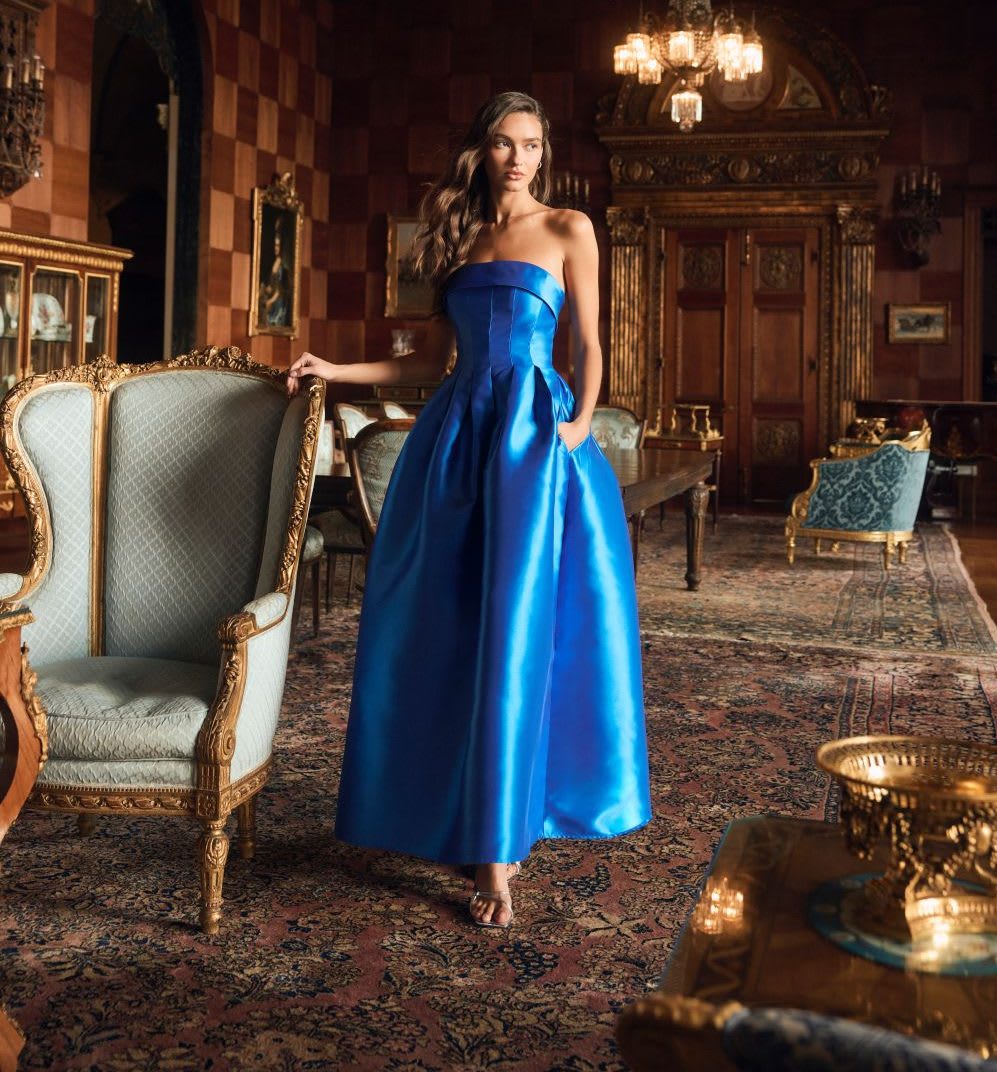
A gala (and by the way, you can pronounce it gay-la or gah-la, both are acceptable) is a formal evening event that’s equal parts celebration and spectacle. It might be a charity fundraiser, an awards night, or a cultural event, but the common thread is sophisticated structure: a planned program, a fancy dinner, a dressed-up crowd, and plenty of photos. There will likely be entertainment, and that entertainment very well may include dancing. That’s why gala dressing lives in that sweet spot between formal and statement-making. You want to look refined and elegant–but you also want to make sure you fit the dress code, which brings us to the most important gala dressing rule of all: context matters.
Where is this gala being held? Who’s hosting it? These details will shape everything about your outfit choice. Gala dress codes generally lean formal—black tie is the standard, though the fanciest events will occasionally call for white tie. The golden rule? Read your invitation carefully. (And if the terminology still has you confused, don’t worry—we’re breaking all of it down for you just ahead.)
Gala Dress Defined
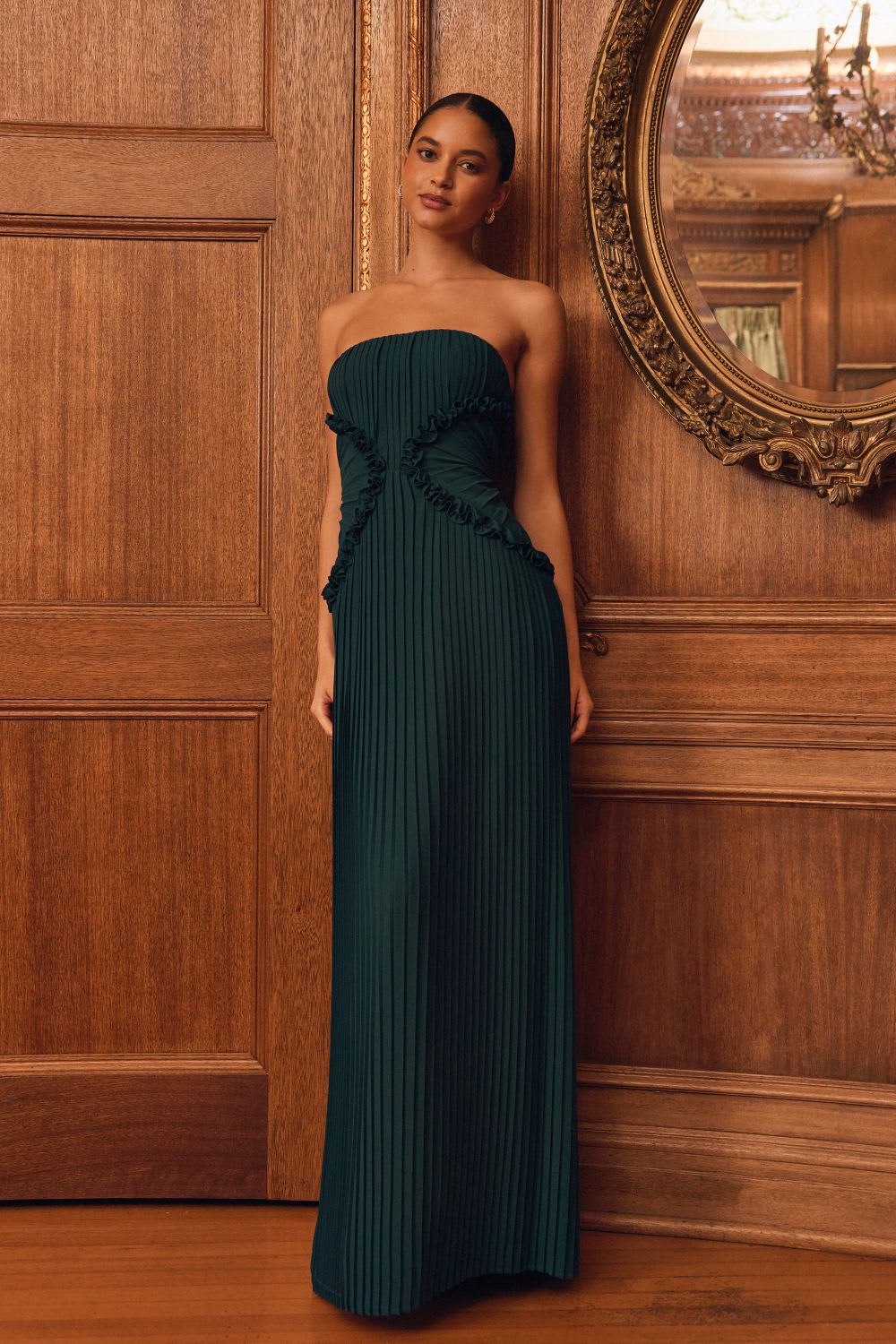
So what makes a dress a gala dress? Length is your first consideration: gala dresses are almost always long. Think a floor-length gown or a structured midi that feels elevated. Shorter styles can work if they feel luxurious and appropriate, but at a formal occasion like this, a long dress is almost always going to be your most comfortable, confident choice.
Lots of silhouettes work for gala dresses. Typically, a gala dress is structured: think princess or basque waists, corset-style bodices with boning, A-line or mermaid skirts, and other styles with a little architecture to them. Fabric choice is also important, and you have plenty of options. The guiding principle? Luxury. Lace, chiffon, tulle, velvet, and satin are all beautiful options that are inherently suited to evening wear. Whether you’re drawn to something fluid and romantic or sleek and dramatic, the fabric you choose goes a long way toward setting the tone of your entire look. Get these three elements right, and you’re already most of the way there.
Gala Dress Code Basics (Quick Guide)
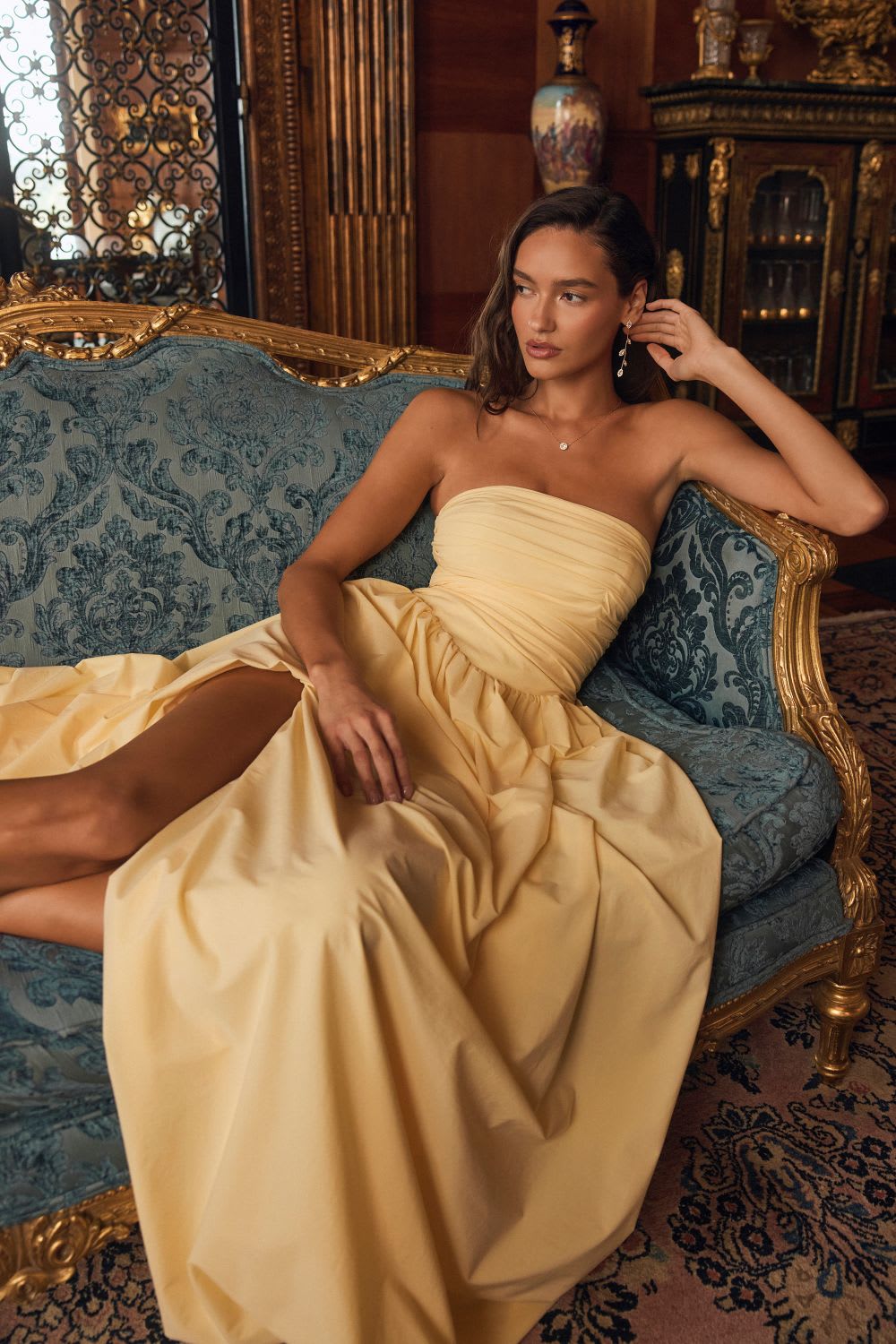
So if the invitation says black tie, what does that mean? Black tie is formal (more information about what exactly that means here!), but it still leaves room for your own personal style to shine through. For dresses, that typically means a floor-length gown, though a very dressy midi can absolutely work if it reads unmistakably formal through its fabric and styling.
When in doubt, lean into embellishment. Sequins, beading, burnout accents—anything that adds a little nighttime glow will instantly elevate your look. And don’t underestimate the power of accessories. Heels or dressy flats (yes, flats can work), a clutch rather than a crossbody, and refined jewelry—think dainty pieces or well-chosen stones—all work together to complete the picture. As for hair? Whether it’s up or down, it needs to be styled. This is not a messy updo situation.
White Tie
White tie is rare, and it is ultra-formal. If black tie is formal, white tie is formal with rules—the kind of event where people are genuinely leaning into tradition, and your outfit needs to match that energy entirely. For dresses, white tie means a full-length gown, full stop. Nothing above the ankle. This is the occasion to bring out your most dramatic silhouette, your most luxurious fabric, and your most classic styling. Accessories skew traditional here too—think formal jewelry and, yes, sometimes even opera-length gloves (yes, really). Hair and makeup tend toward the classic and structured rather than anything trendy or undone.
If your invitation says white tie, take it seriously. When in doubt, go longer, richer, and more formal than you think you need to. You genuinely cannot overdress for this one.
Gala Dress Essentials
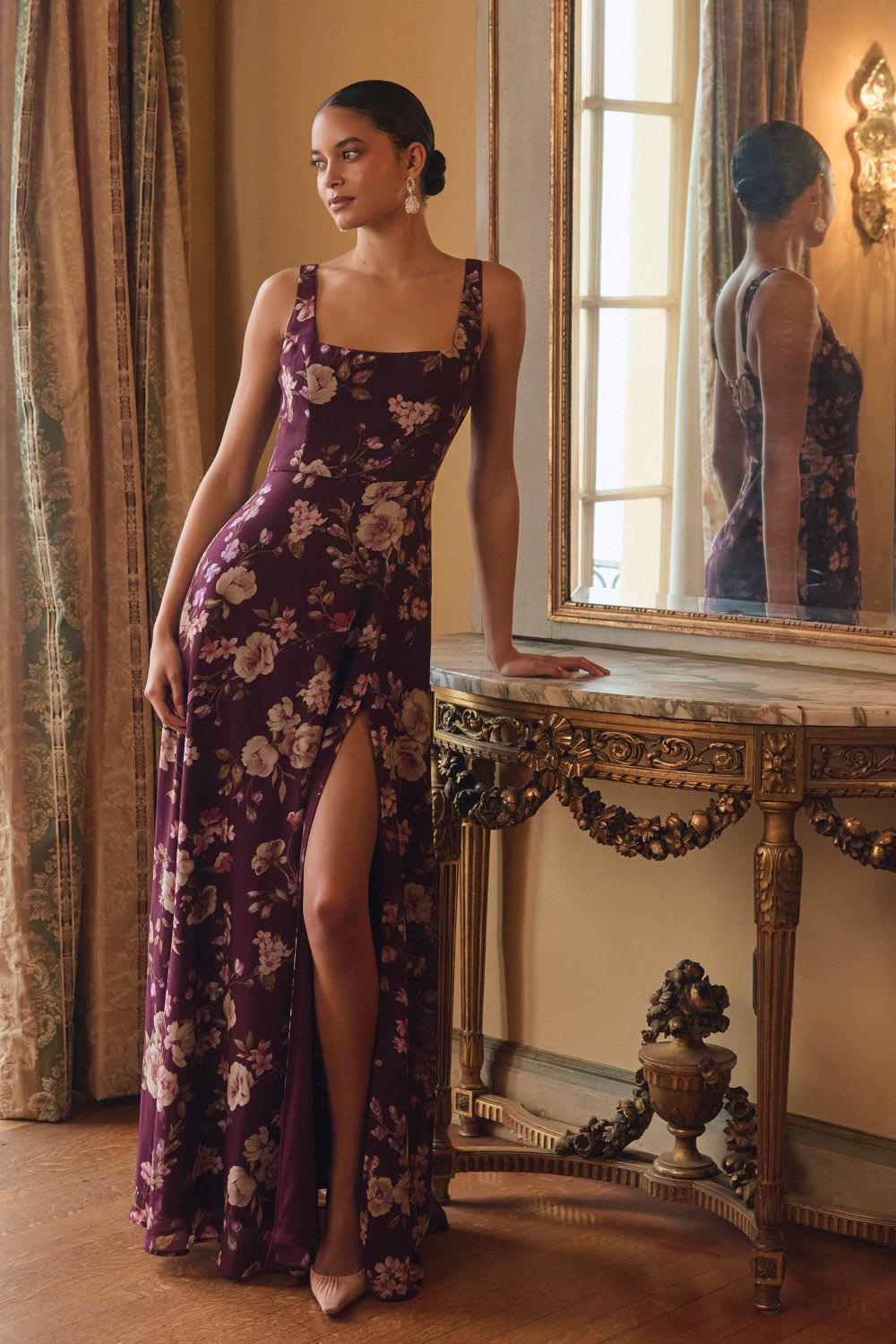
A floor-length dress is lovely. A floor-length dress with artfully draped fabric or a subtle, well-placed slit? That’s a gala dress. Details are what close the gap between formal and truly memorable—and they’re worth paying attention to when you shop. Color is part of that equation, too. Gala dresses tend to gravitate toward shades that feel inherently evening-appropriate: deep jewel tones, rich metallics, and classic black (always appropriate, never wrong). Pastels can absolutely work for a spring or summer black tie event if the silhouette and fabric feel formal enough. The goal is for your color choice to feel intentional, not accidental.
That said, you also need a dress that can move with you. You’ll be walking, mingling, dancing, and possibly standing through an entire cocktail hour. A gown that looks stunning but makes all of that difficult isn’t doing its job. Comfort and beauty are not mutually exclusive—hold out for both.
Fit, specifically, matters just as much as sparkle. A gown can look incredible on the hanger and genuinely frustrating in real life if it doesn’t sit right on your body. Pay close attention to the areas that do the most work: the bust, the waist, and the straps. A strapless dress should feel secure enough that you can eat, laugh, and dance without pulling it up every ten minutes. A low-back or thin-strap style needs either a comfortable bra solution or enough internal structure to support you on its own. This is where reviews can really help you make your choice when you’re finding dresses for gala events–seek out reviewers who share their measurements and speak to how the whole dress fits—not just one isolated detail. That kind of feedback is worth its weight in gold.
Finally, don’t underestimate the power of polish. The difference between a pretty dress and a truly gala-ready look usually comes down to finishing touches: a clean hem that hits exactly the right spot, jewelry that complements rather than competes with your neckline, hair that works with your earrings rather than against them. You don’t need to go over the top to look expensive. You just need to look completely put together—from head to toe.
Accessories & Finishing Touches
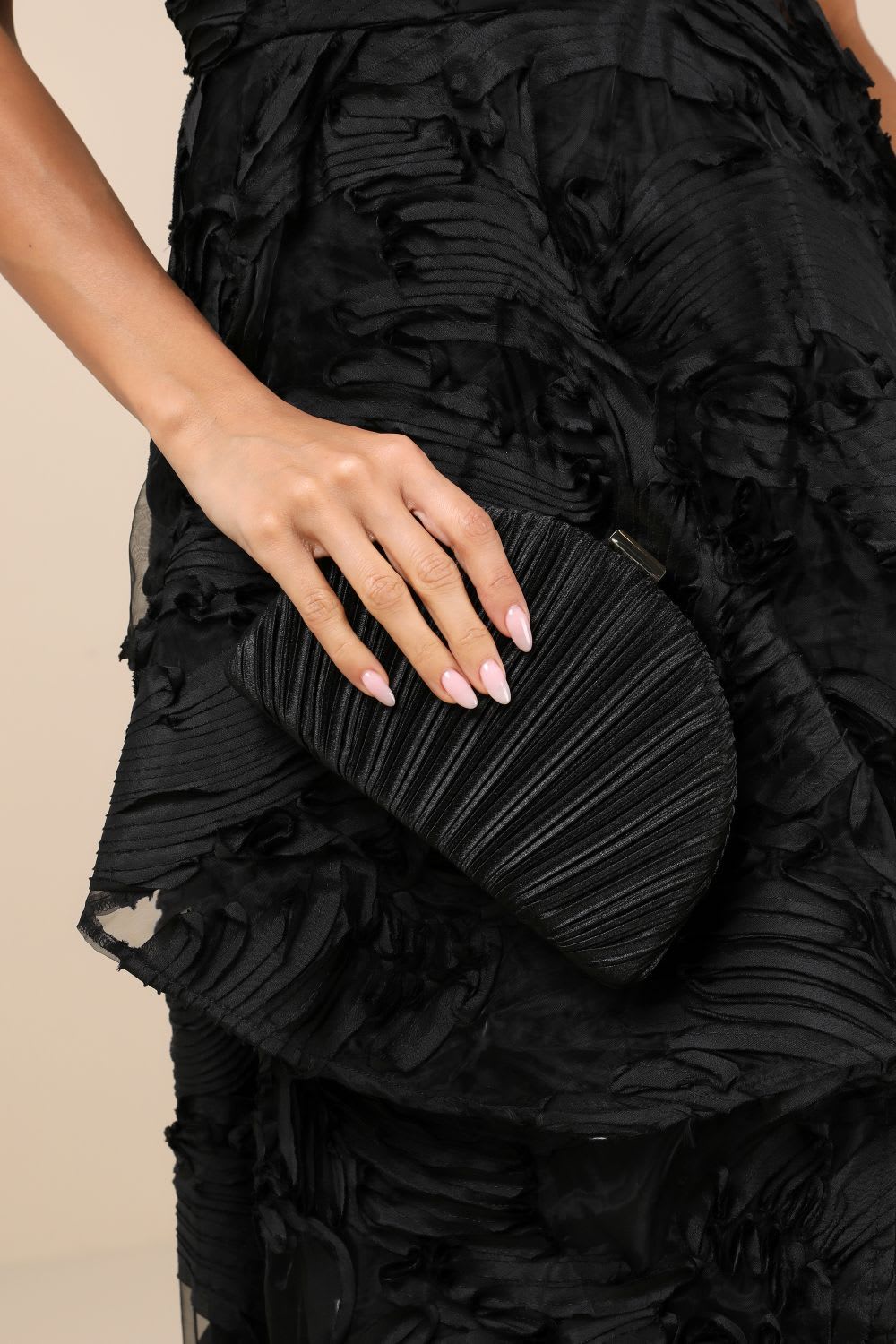
Thoughtful accessorizing starts from the ground up—literally. Gala shoes need to be formal, but here’s a word of advice: leave your most towering stilettos at home. You’re going to be on your feet for a significant portion of the night, and high heels you can actually move in will serve you infinitely better than heels that have you counting down the minutes until you can sit down. Dressy flats are a completely valid option, and if you’re choosing between open and closed toes, know that closed-toe styles read as more formal.
A coordinating clutch is non-negotiable—it adds a polished finishing touch to the overall look and gives you somewhere to put your phone. Even if your gala dress has pockets (a gift, truly), resist the temptation to use them. Anything in those pockets will interrupt your gown’s silhouette, and at an event this formal, that matters.
Beyond the obvious pieces, it pays to think through the full logistics of your evening. Will you be holding a clutch and taking photos? Hugging people, navigating stairs, possibly stepping outside into the cold to catch a rideshare? Every single element of your outfit should be able to handle the reality of the night—which is why the best gala looks function as a complete, considered system.
A small structured bag, shoes you can genuinely stand in for hours, and an outer layer that looks intentional—a faux fur wrap, a sleek tailored coat—will save you in ways you can’t fully appreciate until you need them. The goal is to never be the person shivering in a gorgeous gown with a random jacket thrown on top. You’ve come too far for that.
Final Tips
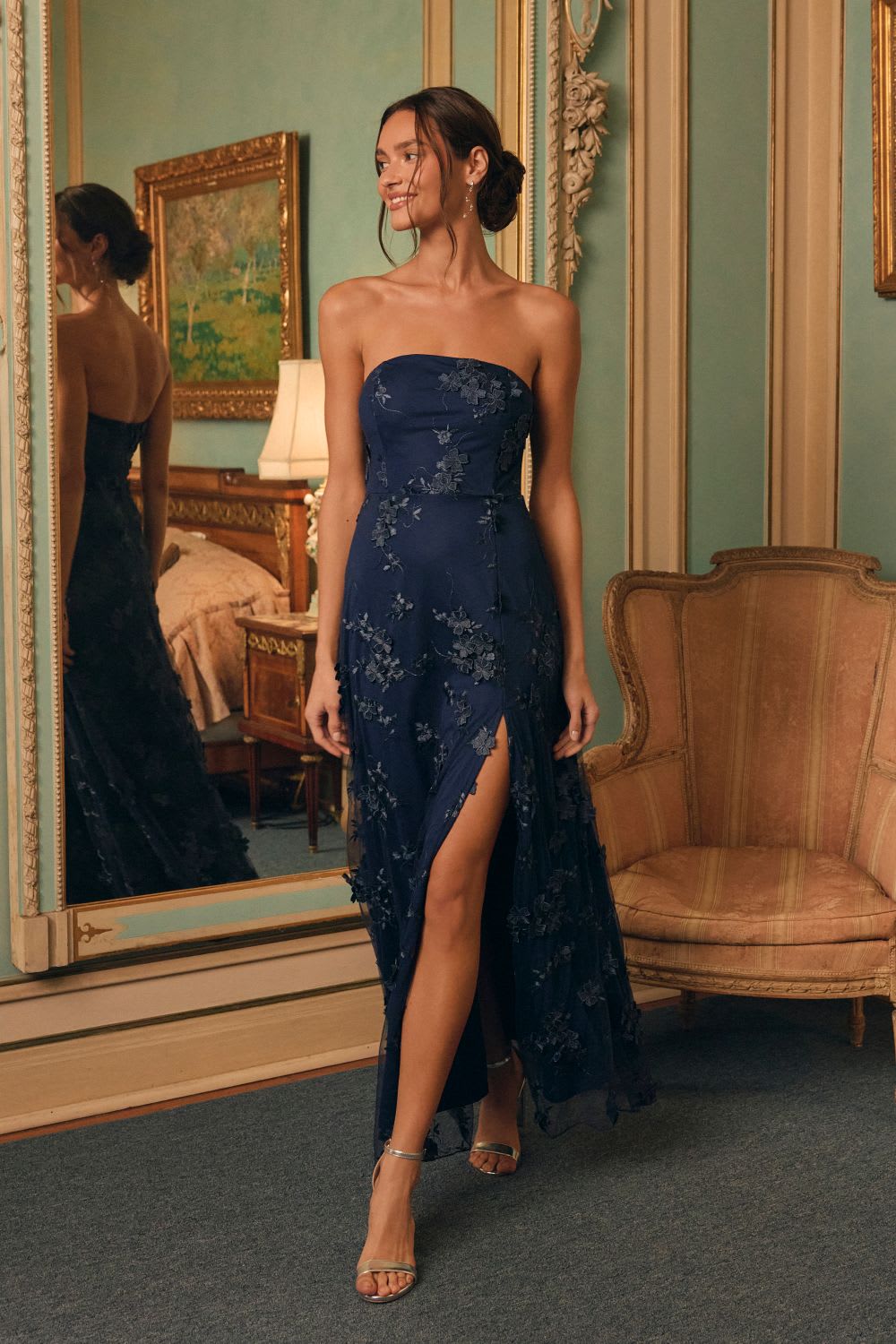
It might seem like formal gala dresses have a lot of rules, but honestly? Just stick to the dress code, and you’ll be fine. Start by reading your invitation carefully—the wording will tell you a lot about just how formal the event really is. If you want more context, a quick scroll through the host organization’s social media can work wonders. Photos from previous years will give you an immediate, accurate read on the room you’re walking into. And if you’re still not sure? Default to timelessness. There is no gala in the world where a floor-length black gown is out of place. A classic look won’t just meet the dress code—it’ll make you feel like you own the room, which is really the whole point.
Because here’s the thing nobody says enough: Don’t forget to actually enjoy yourself. Glamour is as much about how you feel as it is about what you’re wearing, and a gala is supposed to be an unforgettable evening. You’ve done the research, you’ve found the dress, you’ve thought through every detail from the hem to the clutch to the coat you’ll throw over your shoulders at the end of the night.
Now go have the enchanted evening you’ve been dreaming about. You’ve more than earned it.
Have you received a gala invite? Show us your fanciest outfit on Instagram and TikTok @Lulus using #lovelulus, and check out our gala collection to find a dress for your enchanted evening!
Join The Conversation (0)