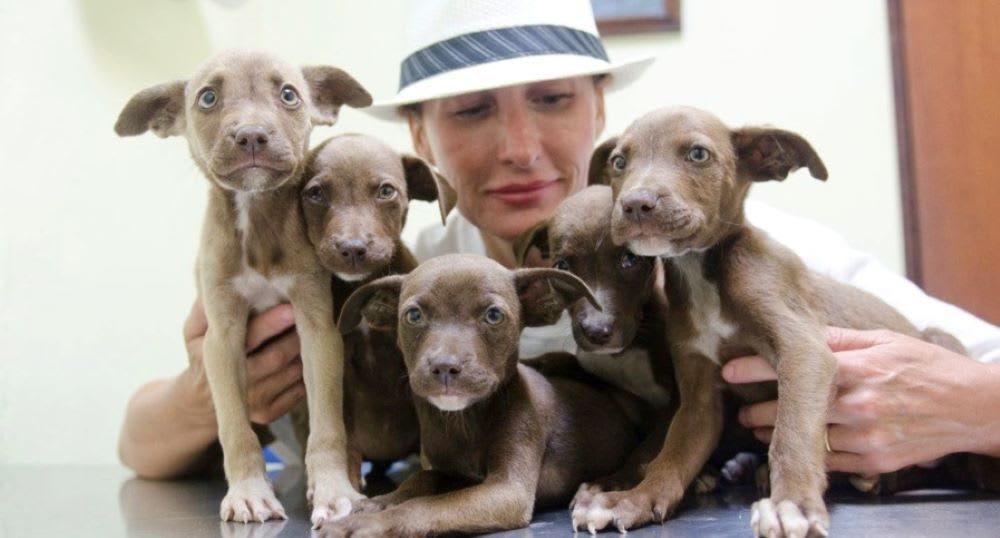
Chrissy Beckles and her team at The Sato Project want to make lasting change when it comes to the stray dogs of Puerto Rico. Aside from rescuing abandoned and abused dogs from the municipality of Yabucoa, on the southeastern coast of the island, they are taking steps to reduce pet overpopulation through community outreach initiatives. Based in both Brooklyn, New York and Puerto Rico, The Sato Project team has seen it all, from miracle comebacks to the aftermath of Hurricane Maria–and more. We chatted with Beckles, TSP’s Founder and President, as well as Communications Associate, Tara Steinberg, about tackling a problem at its source, the benefits of fostering a dog, and what you should always have in your dog emergency kit.
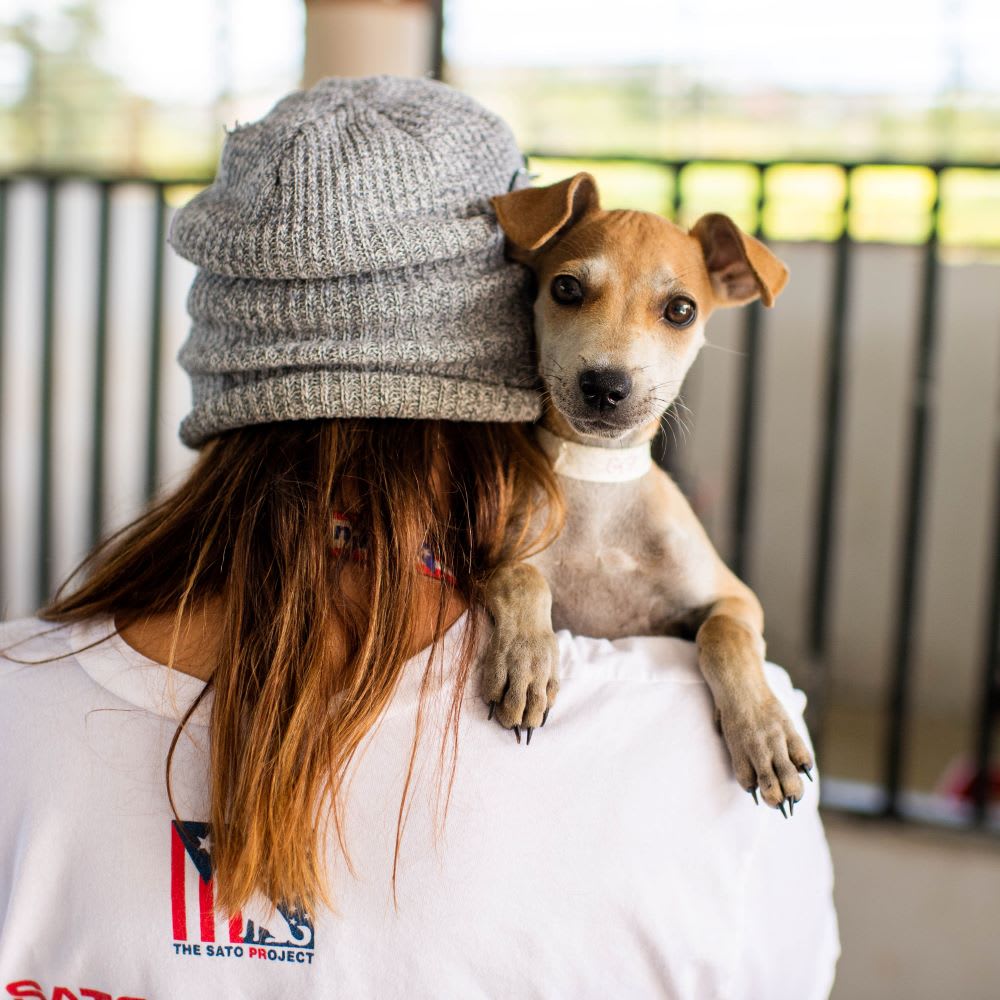
Lulus: How did The Sato Project start? What is your primary mission?
Tara Steinberg: Our Founder and President, Chrissy Beckles was visiting Puerto Rico for the first time in 2006 (her husband, Bobby, is a stuntman and was filming a movie in PR) and, as a dog lover, was horrified by the number of street dogs, many starving and suffering, that were wandering all over the island. She knew that she had to do something to help.
She started by donating [to other rescue organizations] and then started traveling back to Puerto Rico to volunteer. She was so passionate about doing everything she could to help these dogs that she eventually quit her job and started rescuing full time in 2009. And then in 2011, she launched The Sato Project.
The Sato Project’s primary mission is to create permanent change for the dogs of Puerto Rico: for the estimated 500,000 satos currently suffering in the streets and on the beaches, and for the dogs who might become abandoned in the future. We are dedicated to rescuing as many abused and abandoned dogs in Puerto Rico as possible, while also addressing the underlying causes of overpopulation, abandonment, and abuse through community outreach and subsidized spay/neuter initiatives. Ultimately, our long term goal is to someday see every sato living in a loving home and a Puerto Rico free of stray dogs.
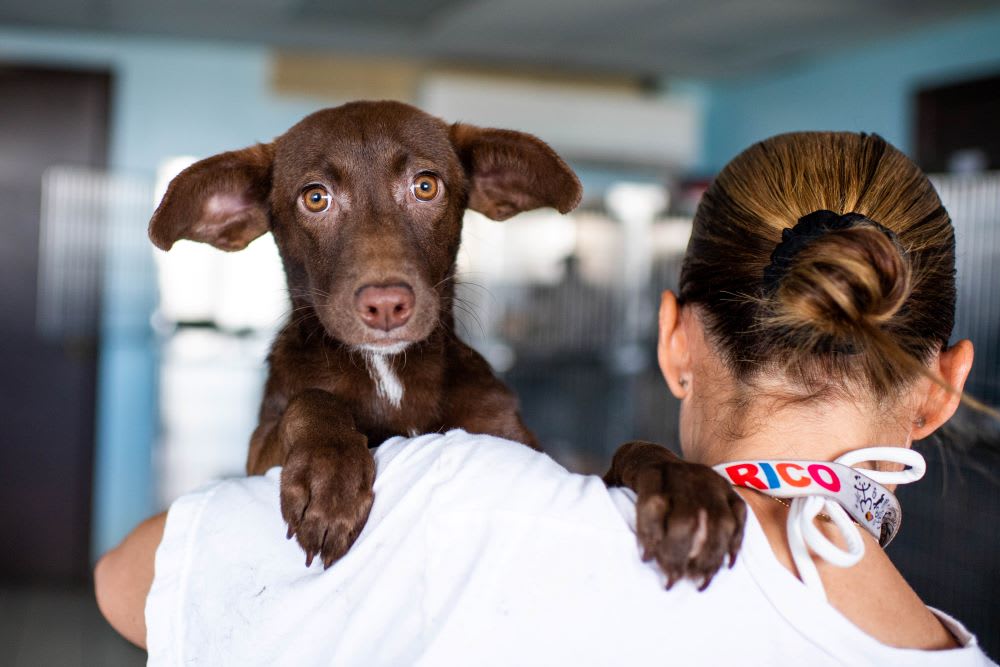
Lulus: So what exactly is a sato dog?
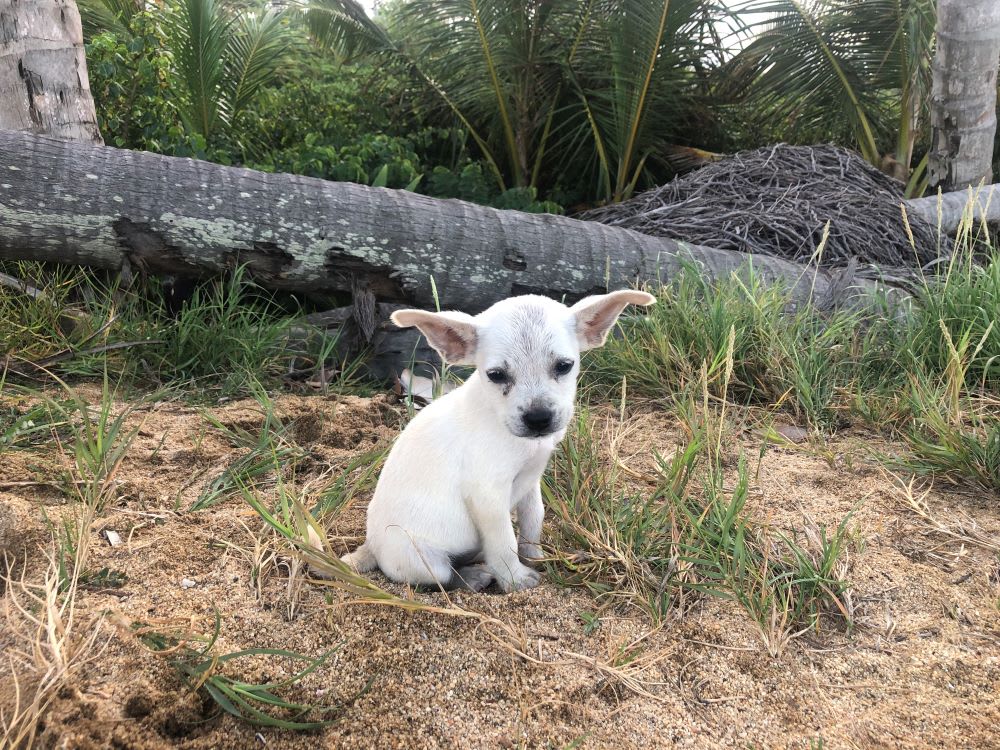
Chrissy Beckles: The term ‘sato’ is a local Puerto Rican slang term for a mixed-breed, stray dog. It is traditionally not considered a term of endearment and satos are often targets of abuse and neglect. Another part of our mission is to permanently change the public perception of these dogs and this term. We want satos to be as revered in Puerto Rico as they are on the mainland—we have people waitlisted to adopt our rescues. We believe satos represent the Puerto Rican people perfectly: they are resilient, strong, brave and beautiful with an innate capacity for survival; to keep moving forward and not look back. It is another goal of ours to make satos the national dog of Puerto Rico.
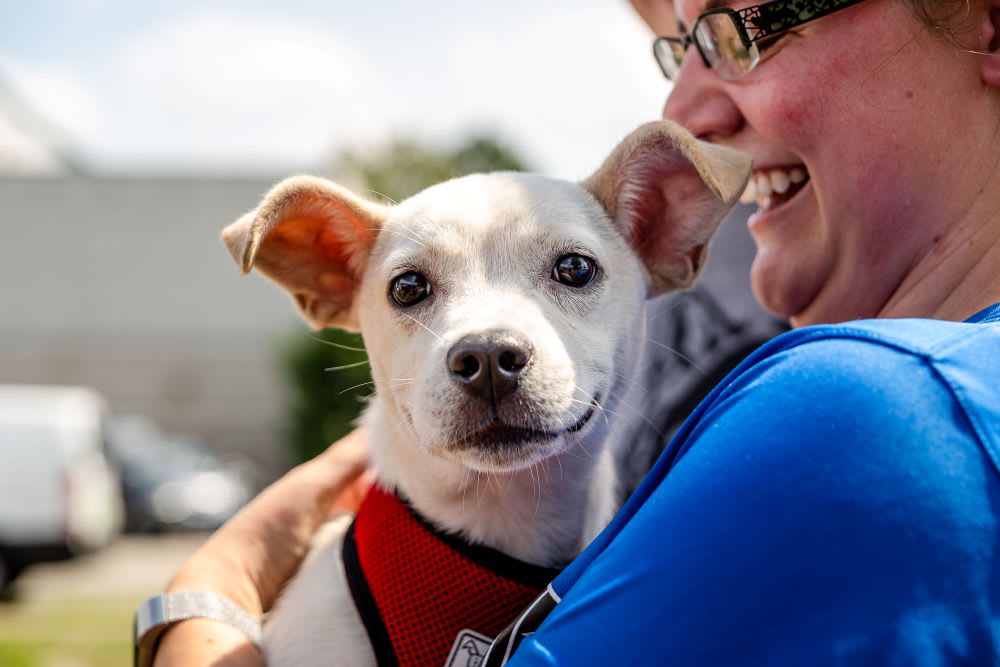
Lulus: Love that! What makes the Sato Project unique as an organization?
CB: Firstly, it’s the way the organization started: a British Champion Amatur Boxer visiting Puerto Rico and being so moved by what I witnessed that I was compelled to dedicate my life to fighting for these incredible dogs. From the moment I adopted Boom Boom, my first Sato a year after first visiting PR, I had to do more. (Boom Boom was the inspiration for the Sato Project and is the dog in our logo.) I walked away from my highly successful consulting business to pursue the dream of helping as many satos as possible—I have an incredible husband who supported me 1000%.
Secondly, when I made the decision to start my own organization I was determined to approach our work from a different angle; how could we vet the dogs we were rescuing to the highest standards? What diagnostic testing was available? What quarantine practices should we use? I implemented rescue, vetting, and transport protocols to ensure that every single dog that came through our program was in the best possible health when they were put on a plane to take their ‘freedom flight’ to their new families. The Sato Project is ‘branding’ satos–much like Tampax or Hoover!
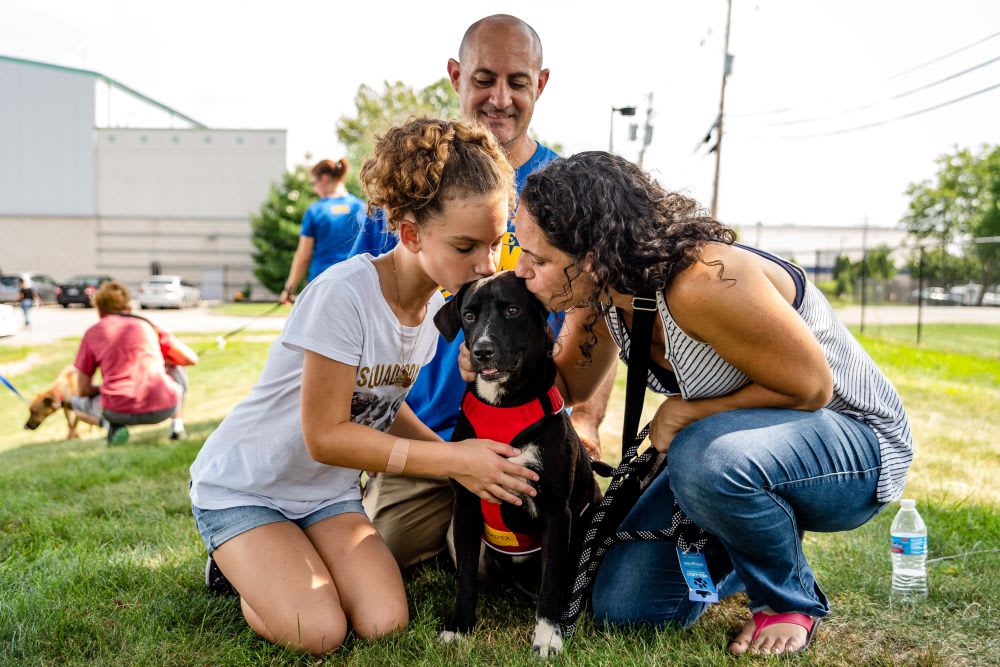
Lulus: How important is fostering to what you do? What should people know about potentially fostering a dog?
CB: Fostering is one of the greatest gifts that you can give a sato. You get to teach them how great humans can be! Being a foster means giving a dog positive life and human interaction experiences—showing them all the new and exciting things that come with living in a home; stairs, wooden floors, washers and dryers, TV! Fosters often bear witness to those special moments like the first excited tail wag, playing with a toy, sleeping peacefully (essentially, without one eye open). Fostering truly helps a dog become more adoptable. And the more dogs that find families, the more needy dogs we can rescue.
Lulus: Community outreach and education (i.e., spay/neuter clinics) is a large part of what you do– why is this so important?
CB: The Sato Project has always recognized that no matter how many dogs we rescue from the streets of Puerto Rico and fly to the mainland, we will never be able to fully solve the island’s systemic stray animal crisis without addressing its root cause: the lack of spaying/neutering. More and more dogs are being born in the streets every day. After Hurricane Maria devastated the island in 2017 and caused even more dogs to be abandoned, the need for spaying/neutering access has become even more urgent than it was before.
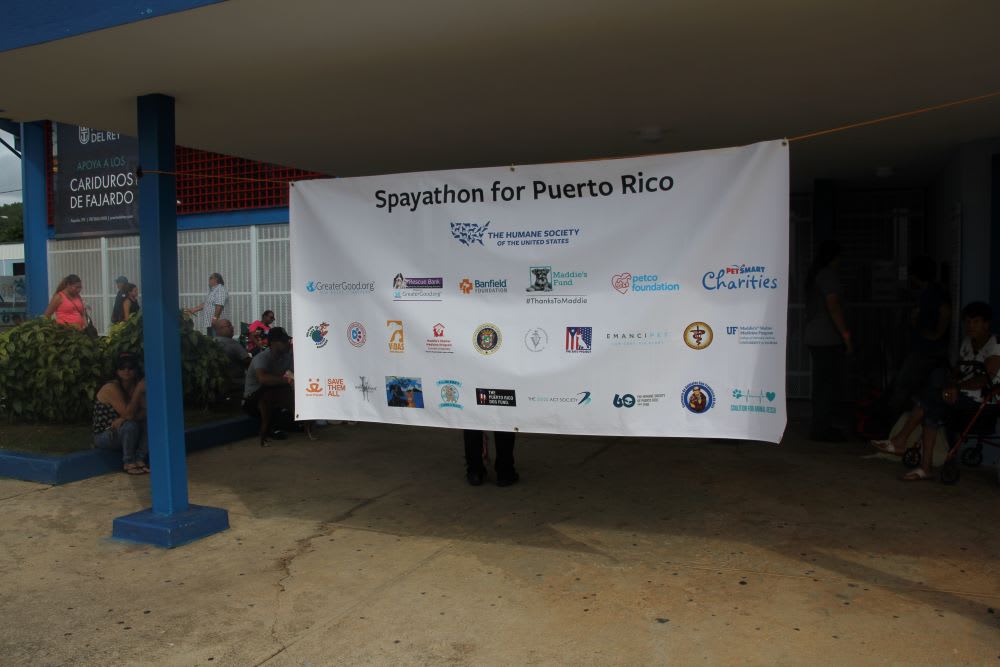
TS: In The Sato Project’s eight-year history, we have rescued nearly 3,500 dogs and flown them off the island. Chrissy Beckles has rescued over 4,000 dogs in the 13 years she has been working in PR. But there are still an estimated 500,000 stray dogs roaming Puerto Rico’s streets and beaches.
There is only one way to stop the rising street dog population from getting any bigger: We must stop the suffering before it begins and spay/neuter as many dogs as we possibly can. Access to spaying/neutering and community outreach is essential to creating any kind of permanent change for the dogs of PR.
Lulus: TSP has made great progress since Hurricane Maria–did you assist with any Hurricane Dorian rescue efforts?
CB: We were ready to mobilize if needed—our friends at Wings of Rescue spent almost two weeks flying in supplies and animals off the islands. As a tiny team (of four) in PR we had to make the hard decision to stay on the island and be ready in case we were hit by another storm.
Lulus: Any tips on disaster preparedness for pets? What should always be in a dog emergency kit?
CB:
- Always ensure that your dog/cat has a collar with a tag on it—be sure the tag has a cellphone and/or email address on it.
- Microchip your animals! If their collar comes off it is often the only way we can identify them.
- Keep hard copies of your pet’s veterinary records and scan them so they are available on your mobile devices: They may be needed for proof of vaccinations to enable travel.
- Keep 10 days of food on hand at all times.
- Ensure that all of your pets’ medications are in a secure place and can be accessed. You may not be able to see a veterinarian in the event of a disaster.
- Always have a travel crate or soft carrier available to be able to transport your pet safely.
- Have a blanket or item of clothing that your pet is familiar with to help comfort them. Your stress levels are going to be high and your pet will be aware.
Lulus: What’s one thing you wish everyone knew about animal rescue?
It is not easy. It is unbelievably hard. I have been doing this work for almost 14 years now. It has never been a job. It is my life…I have ran after, swam after, crawled through caves, scaled walls, and ran through jungles to rescue these incredible dogs.
But that moment that you rescue—especially those dogs that take months and sometimes years (I worked for 8 years to rescue a mother and her daughter from Dead Dog Beach—I vowed that they would NOT die there—and they didn’t). The moment when you finally see the trust – and it can be flickering. That is why we do this: the moment that they are safely in the car. The moment they finally collapse and are able to sleep, knowing they are safe.
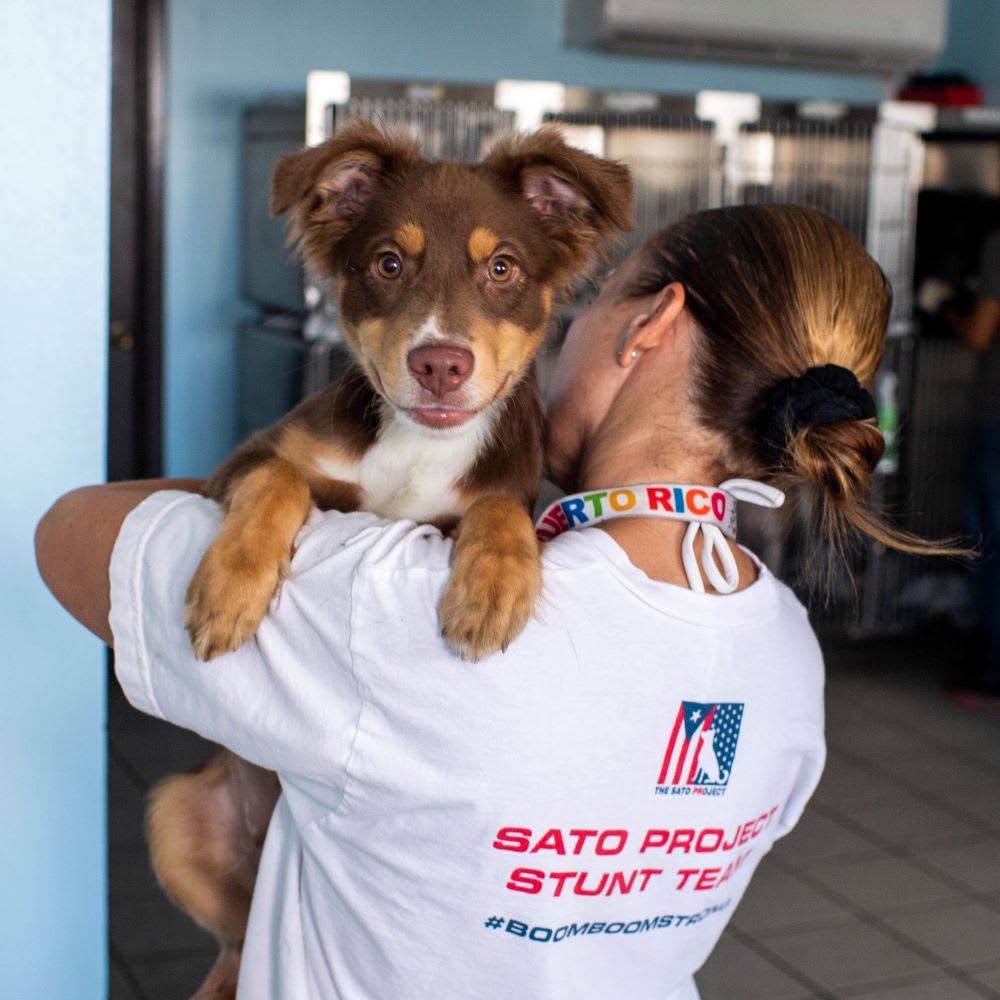
Lulus: Any favorite rescue moments?
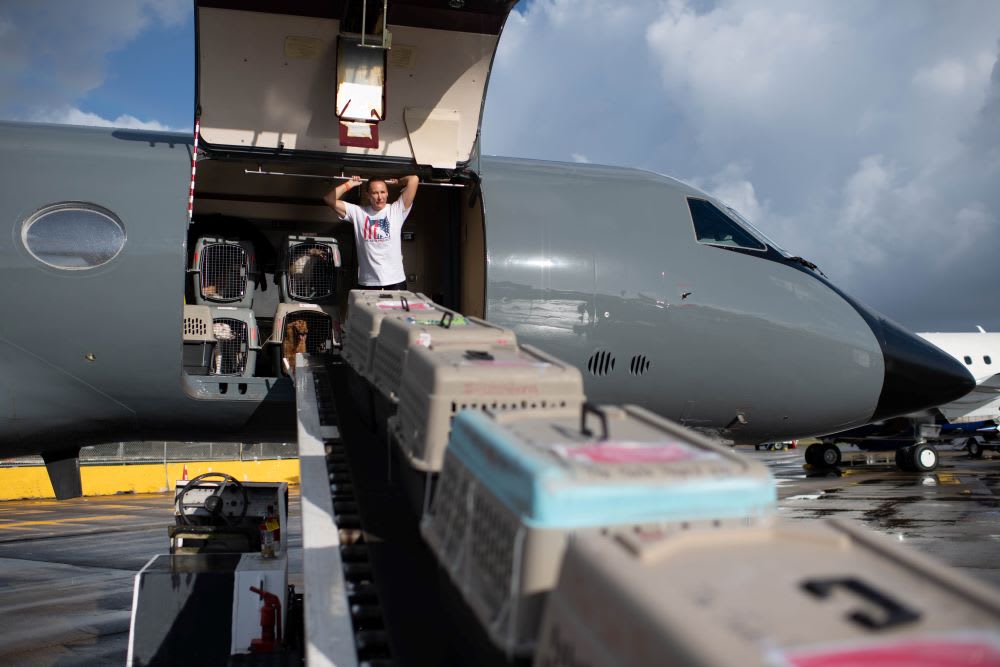
CB: I have a few favorite moments–the flight that left 9 days after Hurricane Maria was huge. We were the first rescue to get dogs off the island and that day was intense. The entire island was without power. There was a curfew between 6pm and 6am. I had lost my home, everything in it and all of our Sato Project supplies in Maria. I was homeless. I cannot watch the footage two years later without having an immense emotional reaction.
Until that plane went down the runway we were not even sure that they could leave–all the airspace was being controlled by FEMA and the military. The moment they began to taxi down the runway (with my husband on board escorting the pups because there was a heavily pregnant dog on board that was about to go into labor at any time) when it soared into the air with over 100 precious pups–that was everything.
Lulus: How can people help support your efforts?
CB: The best way for people to support our work is through donating to our efforts, whether through direct donations, Facebook or community fundraisers, or other gifts of support. With veterinary and transportation fees, the average cost for us to rescue a single dog from the streets of Puerto Rico and fly it to the mainland to a loving family is $1500. The more funds we can raise, the more dogs we are able to rescue.
But people can also help by raising awareness. A lot of Americans are not aware that such an animal crisis exists right here in the USA. The New York Times recently published an article heralding how euthanisia rates at municipal shelters across the country have plummeted thanks to a growing awareness of pet adoption and the importance of spaying/neutering. But this growth of awareness has completely left out Puerto Rico, where euthanasia rates in municipal shelters remain at 96%. Spreading awareness is key: the more people who are aware of the crisis, the more who can help address it.
But in addition to donating or raising awareness, people can also help by adopting a dog from us, fostering, or signing up to volunteer for our efforts. You can learn more about how to get involved on our website, www.thesatoproject.org.
Have questions about fostering a dog or how to prep your dog emergency kit? Ask Chrissy and the team in the comments!
Join The Conversation (3)
Mrs. Beckless is a Super Warrior we love her so much in Puerto Rico!!!! She’s an Angel! Thank you!
We think so too! Thanks, Diana!
Nice post.