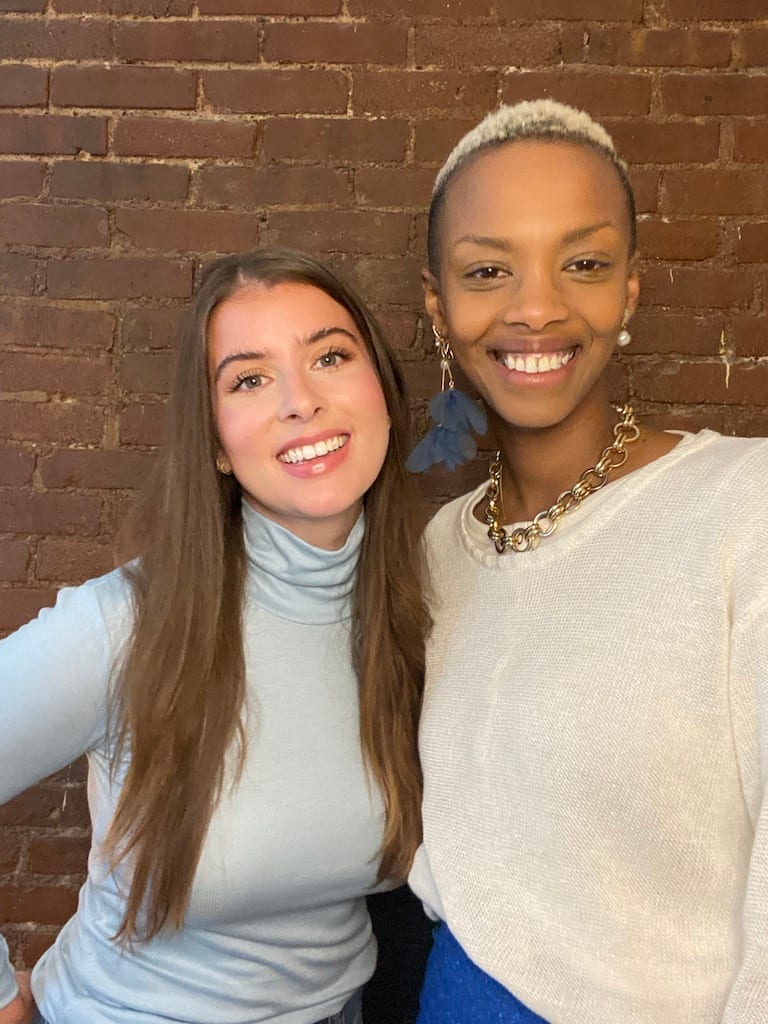
‘Nice girl’ conditioning, or ‘Nice Girl Syndrome,’ is an element of white supremacy–especially for white women. This conditioning is powerful: It teaches white women to avoid confrontation and to stay small and polite. It also protects whiteness by reinforcing the idea that women who do speak up, specifically women of color, are problematic. This creates fissures and distrust between women of color and white women. When a WOC speaks up for themselves or their communities, instead of being supported by white women, they’re often ignored or criticized. These societal structures also prevent white women from having honest and impactful race conversations. Thus, the status quo stays firmly in place. So how does this conditioning manifest–and how do we override it?

What is Nice Girl Syndrome?
If you’ve ever heard the phrase, “Sugar and spice and everything nice,” you know immediately it’s gendered towards girls and women. Our society has demanded that women be accommodating, kind, and undisruptive. And when women—again, especially women of color—aren’t? We all know about the racist trope of the ‘angry Black woman’ (as if anger wasn’t justified). White women, on the other hand, are often given the presumption of innocence and good intent.
For white women, the conditioning and incentives to not disrupt white supremacy betray a sense of knowing when something is unjust while offering a false sense of safety. This creates a culture where, on one hand, white women are afraid to use their voices to speak up for themselves and for injustices towards others, and it contributes to an unfair stereotype of the ‘nice white woman.’
Stereotypes and societal expectations hurt women and erase the complexities and nuances of our individual lives and experiences, so recognizing and deconstructing them is vital to bridging the gaps between us and creating more empathy.
How do we override nice-girl conditioning?
We uphold ‘nice girl’ conditioning in our daily interactions by not challenging what we know to be wrong, or believing that there is some kind of neutral stance towards justice that exists. Some of the hardest conversations to have about race and allyship are with those closest to us. Maybe, in the fabric of certain relationships, we’ve never had to confront race, what it means to be an ally, or how we have been complicit in maintaining white supremacy. From a place of privilege, we might have believed that these topics didn’t apply to us. Now that we know things we can’t un-know, and we’ve seen things that we can’t unsee, can we be brave enough to override our conditioning and risk not being seen as “nice?”
Like learning any new habit, developing a new behavior requires practice, and at first, speaking up about race and racial injustice or introducing this kind of dialogue into a friendship, workplace, or community might feel unnatural and risky. When you feel the fear or discomfort, acknowledge it. Ask yourself: Where does this reflex come from? Whom does it serve to stay quiet? Who benefits from my ‘Nice Girl Syndrome?’ What are the risks of not speaking up? What has gone un-asked for, unsaid, un-challenged in countless women’s lives, all for the sake of being nice?
It might not feel “nice” to your friend when you ask her why she has said nothing about racial justice after posting a black square on Instagram in June. You will not get “nice” points when you ask your boss what their plan is to diversify the leadership team. The white wellness brand that you follow may not take your suggestion about de-centering whiteness in their marketing and communications “nicely.”
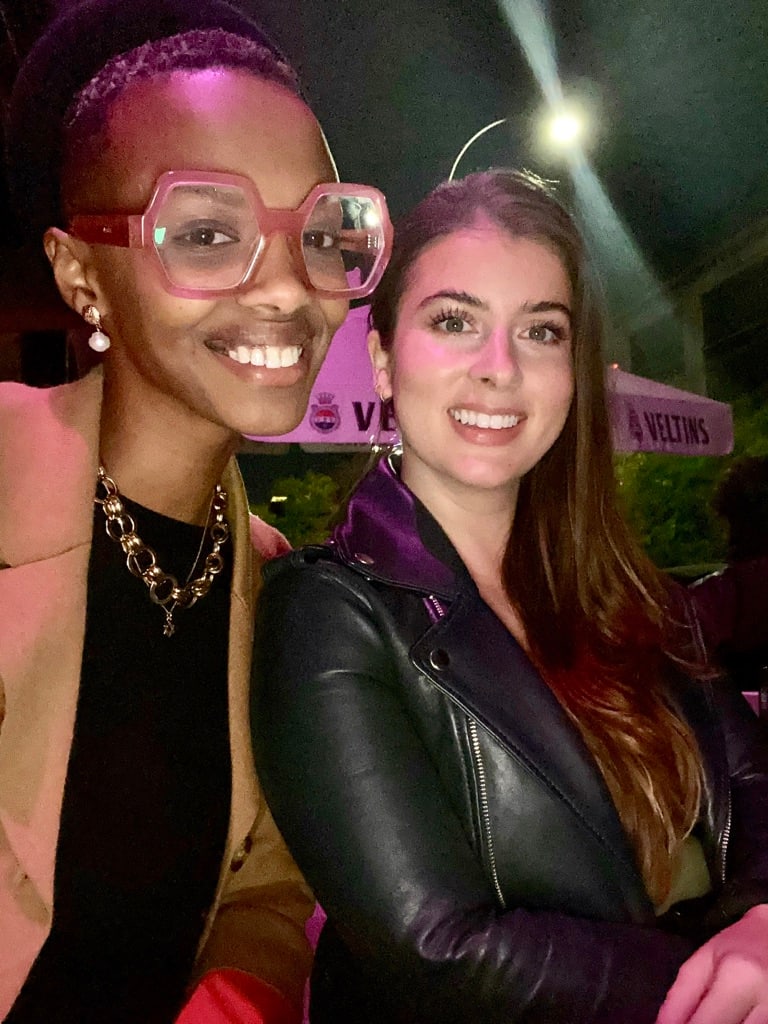
Why is it so important to be brave with race conversations?
Yes, we are asking for bravery from white women. In privilege and in numbers, white women wield a lot of power and have the resources to help turn the dial towards justice.
But we are not meant to do this work alone. That’s why we’re so hell-bent on creating a community of allies with our Kinswomen platform. We are unlearning structures—internal and external—and ripping them down to the studs so that we can create a better society. That’s no easy goal, and support and encouragement is the only way that we can maintain the energy to do consistent anti-racism work.
It is an act of kindness when you are vocal and vulnerable about your values and viewpoints. You stand for yourself, for others, and you give permission to those who might feel afraid to be outspoken about what’s important to them. Transparency builds stronger, truer relationships.
“Nice girl conditioning” isn’t actually nice at all. How often have you buried your truth in an attempt to keep the peace, or stayed small thinking it would keep you safe? That silence allows injustice to fester, for presumptions and stereotypes to go unchallenged, for our voices to be devalued. We say: Enough. The stakes are too high for us to stay quiet and be nice.
How are you showing bravery in race conversations and ridding yourself of ‘Nice Girl Syndrome?’ Tell us in the comments! For more information on the Kinswomen, visit www.kinswomenpodcast.com.
Join The Conversation (0)
shrshs