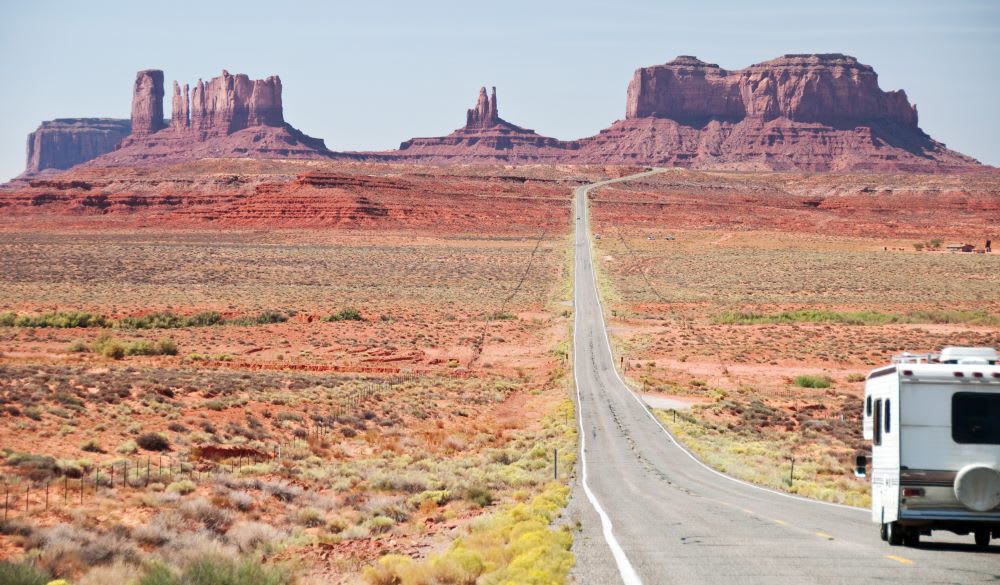
If you haven’t already noticed, summer vacation looks very different this year. With serious health and safety concerns and many destinations partially open, most non-essential travel or international trips have been put on hold. The safest option is, of course, to stay at home, but with warm weather, it’s inevitable that people are itching to get outside. One trend that’s emerged: People are increasingly looking to explore the great outdoors via camping and RV trips.
According to Kampgrounds of America’s special COVID-19 edition of the North American Camping Report, 46 percent of leisure travelers rank camping as the safest type of trip. And 52 percent of campers are now interested in buying RVs, since they provide controlled private spaces and bathrooms. Based on data from the RV Industry Association, 46 million Americans are planning on taking an RV trip in the next 12 months.
RV rentals have also seen a surge in demand. The Google search term “RV rentals near me” has increased 350 percent since January this year. RVshare, a peer-to-peer RV rental marketplace, has reported that RV bookings have nearly tripled since last year, increasing by more than 1600 percent from April to June. Outdoorsy, another RV rental marketplace, has seen similar growth, with 400 percent year over year growth in bookings this June, 4300 percent growth from late March to June, and more than 93 percent of bookings in May and June from first-time renters.
Why RV Trips?
The growing appeal of RV trips is not surprising. An RV allows you both freedom and flexibility on the road, allows for social distancing, and is basically an affordable hotel room on wheels (for example, Outdoorsy RVs cost an average of $121/night). You have control over your space, including who’s in it and the cleanliness level (on the flip side, any and all messes are your own to wipe up).
“After spending months at home cooped up inside, many people are going to be looking to book, or rebook, those much-needed vacations,” says Maddi Bourgerie, RVshare’s Head of Communications. “While the rush back to airports or hotels in busy cities may take a little more time, many will turn to RV travel. Renting an RV is the ideal way to travel to not only avoid large groups, but a way to escape into nature and spend time outdoors. With their means of travel, cooking, and sleep all on board, their trips can be completely self-contained allowing people to get back to traveling while doing so responsibly.”
Is Renting an RV safe?
Companies like RVshare and Outdoorsy are also increasing their safety measures during the rental process. RVshare has partnered with TaskRabbit to help match RV owners with local cleaning professionals to clean their RVs before and after each booking. “The partnership comes at a time when disinfecting vehicles in accordance with CDC and WHO guidelines is more important than ever amidst the Coronavirus pandemic,” says Bougerie. The company also provides guidelines to owners around how to clean and disinfect surfaces as well as how often to do so.
Outdoorsy also has high standards of safety and cleanliness that owners are required to meet, including using disinfectant and antibacterial cleaners before and after each rental. And if you like the idea of sleeping in an RV but are less excited about actually driving one, Outdoorsy can arrange for a contact-free key exchange, where the RV owner delivers the vehicle to your campsite and gets everything set up for you ahead of time.
Interested in exploring an RV trip? Here are some tips on how to hit the road the right way.
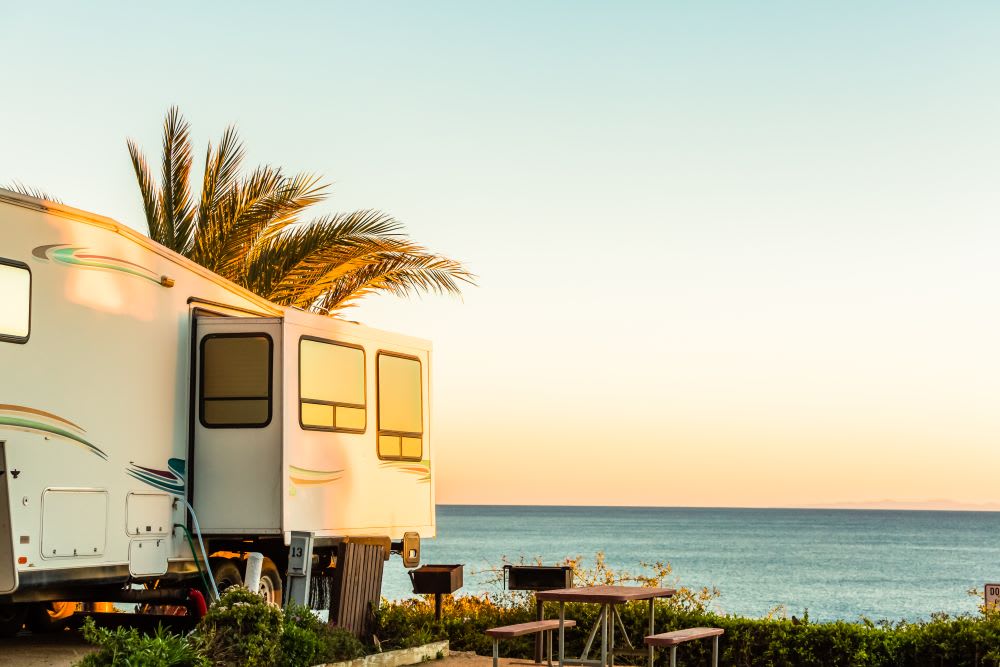
1. Choose the right RV for you.
Depending on what you’re looking for and how many people are traveling together, there are lots of different options. Choices range from luxurious bus-sized vehicles (Class A), to sprinter vans, to towable trailers. On Outdoorsy’s site, you can filter the different features you want, whether you’re looking for a bathroom and shower, a power generator, or a pet-friendly space.
While there’s no special training or license needed, you should feel comfortable driving a vehicle that’s most likely much larger than what you’re used to driving on a daily basis. Outdoorsy owners can do a test drive with you to show you how the RV drives.
2. Don’t be afraid to ask questions.
The great thing about peer-to-peer platforms is that you can ask questions directly to the owners of the specific RV you’re looking at. You can ask them about their cleaning protocols, tips for driving the vehicle, or even recommendations of campgrounds or sites to visit.
3. Plan out where you want to go.
While road trips do allow for flexibility and spontaneity, it’s a good idea to have a general route mapped out, including where you want to stay, whether that’s an RV park, campground, beach, or other location. For some ideas, Outdoorsy recommends asking the RV owners, who likely will have the best local camping suggestions, or checking out websites like Harvest Hosts or Campendium to find RV-friendly campsites.
While National Parks are reopening to visitors, Outdoorsy also recommends people consider the smaller parks close to home. These tend to be less trafficked and crowded but can still provide wonderful nature-filled experiences.

Google Maps is also a great tool for planning and tracking your RV trip. Denise Barlock, a Google Maps superuser who has traveled 54,000 miles across the US in her Class A motorhome, has a few tips to make your trip go more smoothly. With uncertainty around what businesses are open and closed due to COVID-19, it’s important to do your research. She suggests using the Saved tab to create lists of the places you’ve been and want to go to. That way, you have the info easily accessible. You can also use Google Maps to search for nearby gas stations and their prices, as well as local restaurants that are currently open and offering takeout or curbside pickup. No one wants to be stuck on the side of the road hangry and out of gas!
4. Be safe.
Any type of travel during a pandemic involves some level of risk. Preparation is key, as well as adhering to safety precautions even when you’re on vacation (check out the CDC guidelines for travel). Keep your travel companions and yourself safe by practicing social distancing, and having essentials like masks, wipes, hand sanitizer, and first aid kits on hand. Remember, a safe vacation is a good vacation!
(Note: If you are planning to travel outside your home state, make sure to check to see whether the places you want to visit are requiring visitors to self-quarantine on arrival.)
Are you planning RV trips this summer? Tell us in the comments!
Join The Conversation (2)
I like to travel too
I recently bought myself a used RV trips. But first I checked the history of the used car and used epicVin https://epicvin.com/ so I have a car with a clean history and now I’m going on a trip