
Things can get pretty hectic around the holidays (to say the least!). With a schedule full of parties, family gatherings, travel, and more, it’s important to keep the well-being of our furry friends in mind–and not just the ones who live in our homes. During the season of giving, there are all sorts of ways to improve the lives of animals. We talked to PAWS Chicago’s Julia Poukatch about Thanksgiving pet safety, the importance of spaying and neutering, and how you can start teaching the children in your life to respect animals from an early age.
Lulus: Tell us a little about how PAWS Chicago started. What makes PAWS unique as an organization?
Julia Poukatch: PAWS Chicago (Pets Are Worth Saving) is a national model in No Kill animal sheltering, committed to bringing an end to the killing of homeless cats and dogs. As Chicagoland’s largest No Kill shelter and one of the largest in the nation, PAWS has helped to reduce the number of homeless pets killed in the city by 91% since its founding in 1997. In just 20 years, [we have] grown from a grassroots organization to a national leader in the No Kill movement, guiding other communities in how to dramatically reduce the euthanasia of homeless cats and dogs.

In 2018, PAWS Chicago found homes for 5,591 dogs and cats through our Lincoln Park and Highland Park Adoption Centers and performed 16,750 spay and neuter surgeries through our Lurie Clinic and GusMobile Spay/Neuter Van. These two medical resources give PAWS Chicago the ability to provide subsidized spay/neuter surgeries, vaccinations, and humane education to under-served families and neighborhoods that need the most help in controlling the pet population.
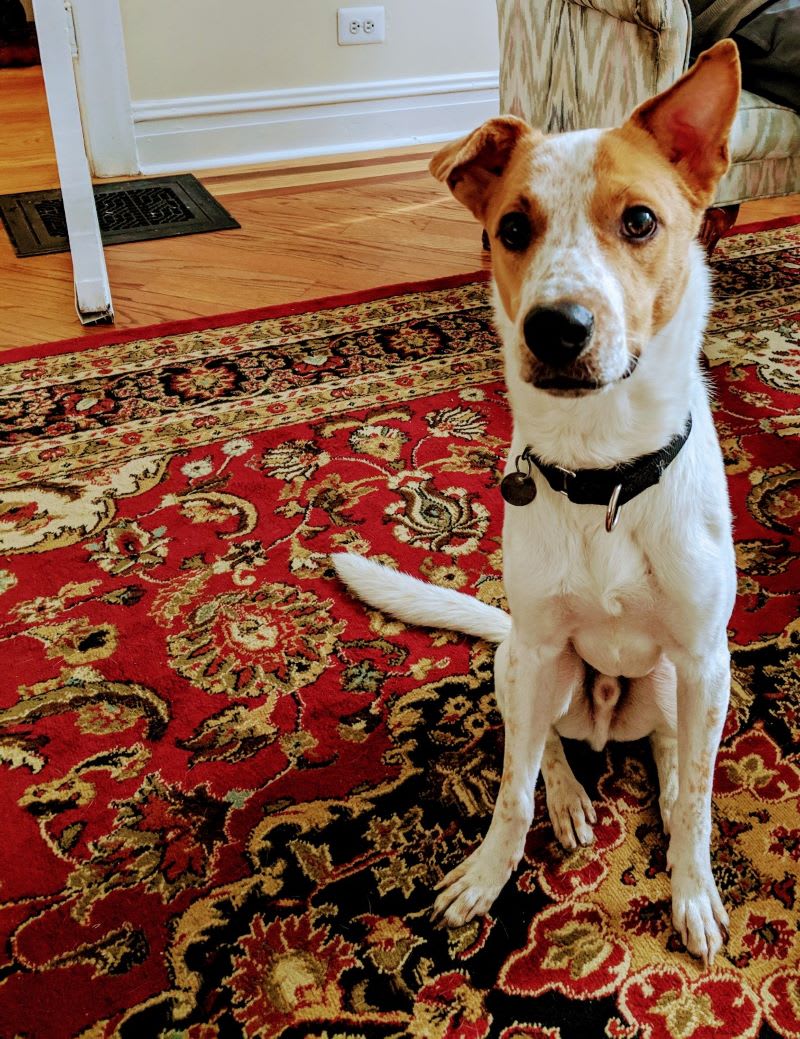
Preventing Pet Homelessness and Overpopulation
Lulus: Community outreach and education is a large part of what you do to keep pets out of the shelter system. What are some ways people can avoid having to give up their pets?
JP: The best possible option is for pets is for them to stay with their family. Research resources available to help address medical or behavioral challenges. If (your) family is facing financial hardship, programs exist to help you while you get back on your feet.
Our door-to-door Community Outreach program addresses the resource inequities in Chicago’s most under-served communities. With this program, we build relationships and share educational information. We also provide resources including spay/neuter services, a pet-food pantry, pet training advice, and veterinary care. (You can find more information about our Community Outreach program here.)

Adopting from a shelter that has a lifetime commitment to their animals, as PAWS Chicago does, is important. We can provide assistance and advice to keep the pet in the home or welcome them back into our program to find a successful match for the dog or cat. (More information on Owner Relinquishment is available here.)
Lulus: You also operate a spay and neuter clinic and a mobile unit. Why is it so important that people spay and neuter their pets?
JP: Spay/neuter is one of the easiest ways to ensure your pet has a healthy, happy life. With so many homeless pets killed in shelters each year, spay/neuter also prevents unwanted pets from being born. PAWS Chicago is committed to making spay/neuter surgeries available to all individuals and families. In 2018, the PAWS Chicago Lurie Clinic performed 16,750 spay/neuter surgeries.
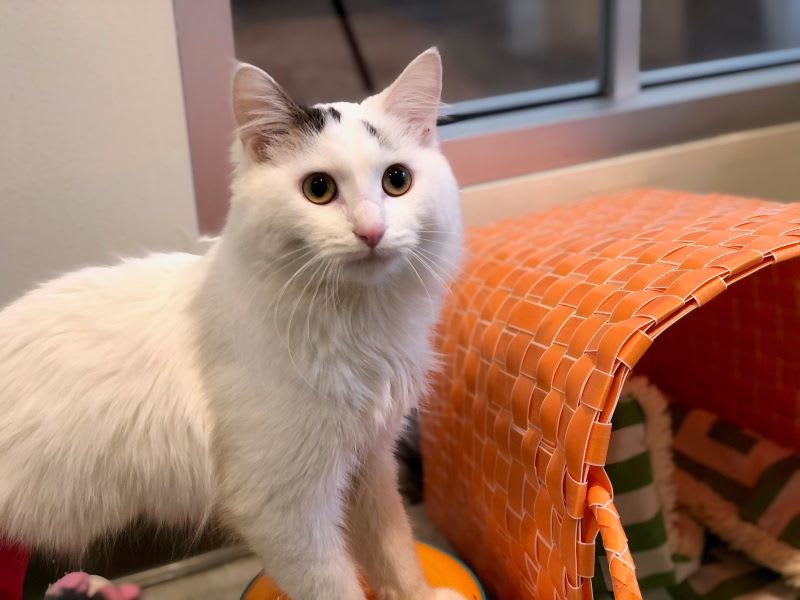
Keeping People Informed and Shaping the Future
Lulus: Wow! That’s fantastic! You also have a Humane Education program that teaches teens about animal welfare through direct involvement. How can people start educating their children early on about respecting animals and treating them right?
JP: Look for shelters that have youth volunteer programs to encourage respect for animals and understanding responsible pet ownership. PAWS Chicago has Junior Volunteer Programs available for children 12-17 years old.
Children not only have a natural affinity for helping cats and dogs; they also are our future animal advocates! Children are a frequent source of information for their families…(and) they will be the decision-makers of the future. Arming them with knowledge about what is happening to homeless pets and why—and giving them examples of how they can help—benefits animals of today and tomorrow.
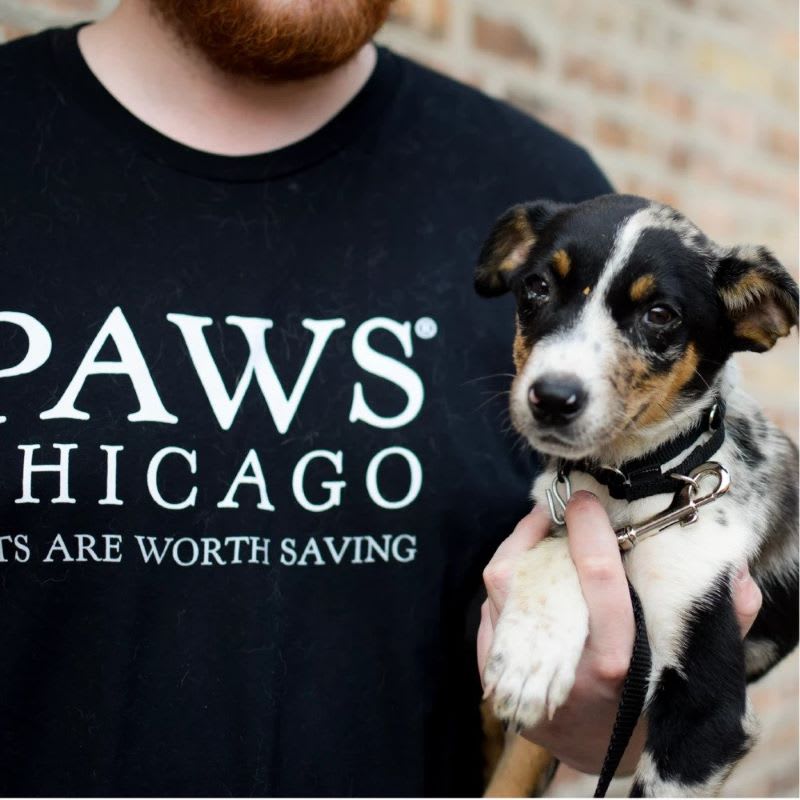
PAWS Chicago’s Humane Education curriculum is designed for middle school students and discusses pet overpopulation and how they can help. Students learn about becoming a responsible pet owner, and how they can show compassion and kindness to all pets.
Lulus: That is so helpful and smart! With Turkey Day coming up, do you have any Thanksgiving pet safety advice?
JP: We are thankful for our pets every day, and Thanksgiving is a special reminder of the love they bring to our lives! Don’t let a pet emergency get in the way of a happy holiday by brushing up on Thanksgiving pet safety. (NOTE: If you suspect your pet has eaten something it shouldn’t have, contact your veterinarian or local emergency clinic immediately.)
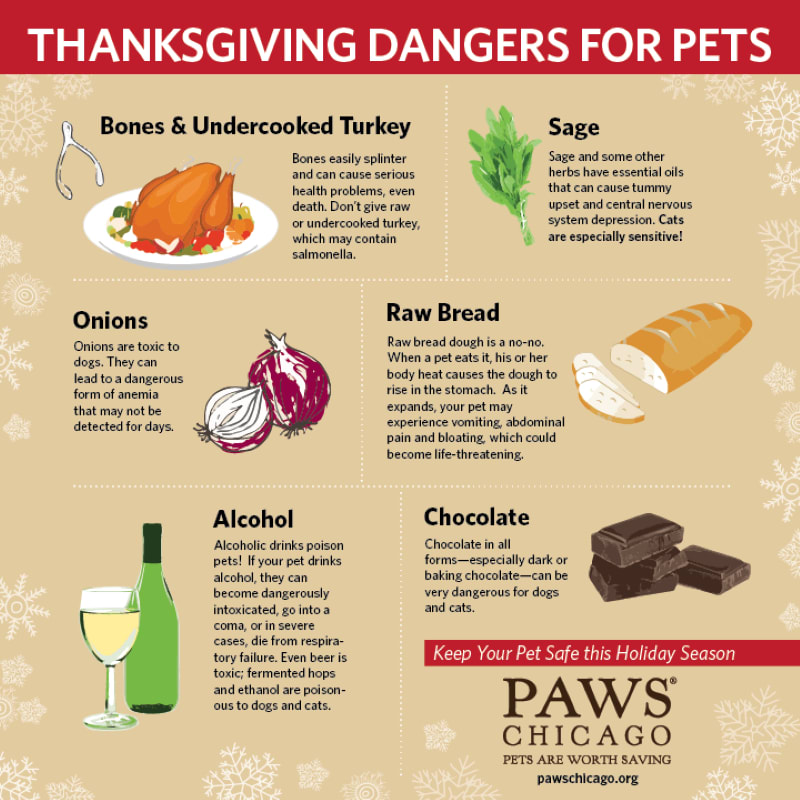
Want to give your pet a special Thanksgiving treat? Offer your cat or dog a Thanksgiving dinner (that’s safe to eat!): Consider adding a small bite of cooked turkey, plain green beans, or pureed pumpkin to your pet’s dinner.
What YOU Can Do to Help Pets:
Lulus: That’s a great idea! How can people help support your efforts? Anything else you’d like people to know?
JP: PAWS Chicago is able to do what we do thanks to the support of the community! If you’re interested in getting involved, visit pawschicago.org and consider how you can help:
- Adopt: When you adopt you helped save TWO lives–the life of the pet you are taking home and that of another who is now able to come into the adoption program.
- Volunteer: Volunteers are the life force of PAWS Chicago. They touch every aspect of the organization and provide the highest-quality care for our pets. Every volunteer and PAWS ambassador in the community enables us to magnify our impact and save more lives.
- Foster: PAWS Chicago fosters provide a lifesaving service for homeless cats and dogs. We always need fosters and can find the right animal for you. By fostering a homeless pet, you open up space at PAWS, allowing us to rescue more animals. The more animals PAWS can take in, the more lives we can save.
- Donate: PAWS Chicago’s lifesaving work is only possible because of the support of animal-loving community members like you. We do not receive financial support from federal, state or local government so our lifesaving work is 100 percent reliant upon the community’s generosity.
Know an animal welfare organization that deserves to be our Rescue Group of the Month? Nominate them in the comments!
Join The Conversation (0)