Black History Month is American history, and white Americans must make an effort to learn what they haven’t been taught about their own collective past. It’s also important for white Americans to know why the ‘holiday’ month was created in the first place.
The origins of Black History Month are as follows: A Black American historian named Carter G. Woodson created “Negro History Week” in 1926 to consecrate a space that centered Black history. February was chosen because it was the birth month of both famed orator Frederick Douglass and President Abraham Lincoln. Woodson’s sentiment was: “If a race has no history, it has no worthwhile tradition, it becomes a negligible factor in the thought of the world, and it stands in danger of being exterminated.”
A focus on Black history was needed (and still is) because Black culture in this country is often left out or erased from everything from the arts to science. Our culture has been whitewashed as if Black Americans didn’t contribute to making this country what it is. Only in 1969, Black professors and students of the organization Black United Students at Kent State University expanded Negro History Week to Black History Month.
In order to honor Black history, we cannot simply post about Black leaders on Instagram during the month of February. There’s been a pattern of performative “activism” that uplifts carefully selected elements of the civil rights movement while neglecting to confront the hard truths and impact of anti-Blackness in our country.
For example, during MLK Day, we often see white people posting cherry-picked, feel-good quotes from Dr. King on social media. They’re usually posted without context or comment, their real power diluted by the over-exposure of the Internet. To really honor his legacy, next MLK Day–or any day–instead of posting a quote of his, read his Letter from a Birmingham Jail, or any other of his speeches in full, and consider what your legacy will be. He is revered now, but in his own time, Dr. King was feared, reviled, and eventually killed by whites.
Looking back at the past, most of us like to believe we’d have been on the right side of history. But our legacies are happening now, and instead of co-opting quotes from inspirational Black leaders during moments like Black History month, Acknowledging anti-Blackness/racism requires that we are honest with ourselves and that we take inventory of our daily choices and impact. From reading Black authors to fundraising for racial justice organizations, the journey of learning and acting in solidarity is one that’s ongoing.
To really honor Black history, make it a part of your every day. Intentionally fill in the massive systemic gaps left out of the American educational system. As Woodson feared, so much of Black history has been “exterminated.” It’s up to us to learn the truth about our past and its impact on our citizens and our country.
Learning our collective American history requires us to look beyond what’s easy or comfortable. Instead, we need to look towards the radical, bold, and new future we can imagine for ourselves. If you’re on a journey of allyship, only posting about or engaging with Black history, activism, or culture during these yearly “holidays” will appear performative and doesn’t honor its importance. Black history is simply history, and we should center, value, teach, and celebrate it as such–and not just in February.
In addition to history, many people are also looking ahead and celebrating Black Futures Month in February. Created by the Movement for Black Lives, it is a “visionary, forward-looking spin on celebrations of Blackness,” and a time to “dream and imagine a world in which we are free and self-determined.”
How will you honor Black history and futures this year? Tell us in the comments.
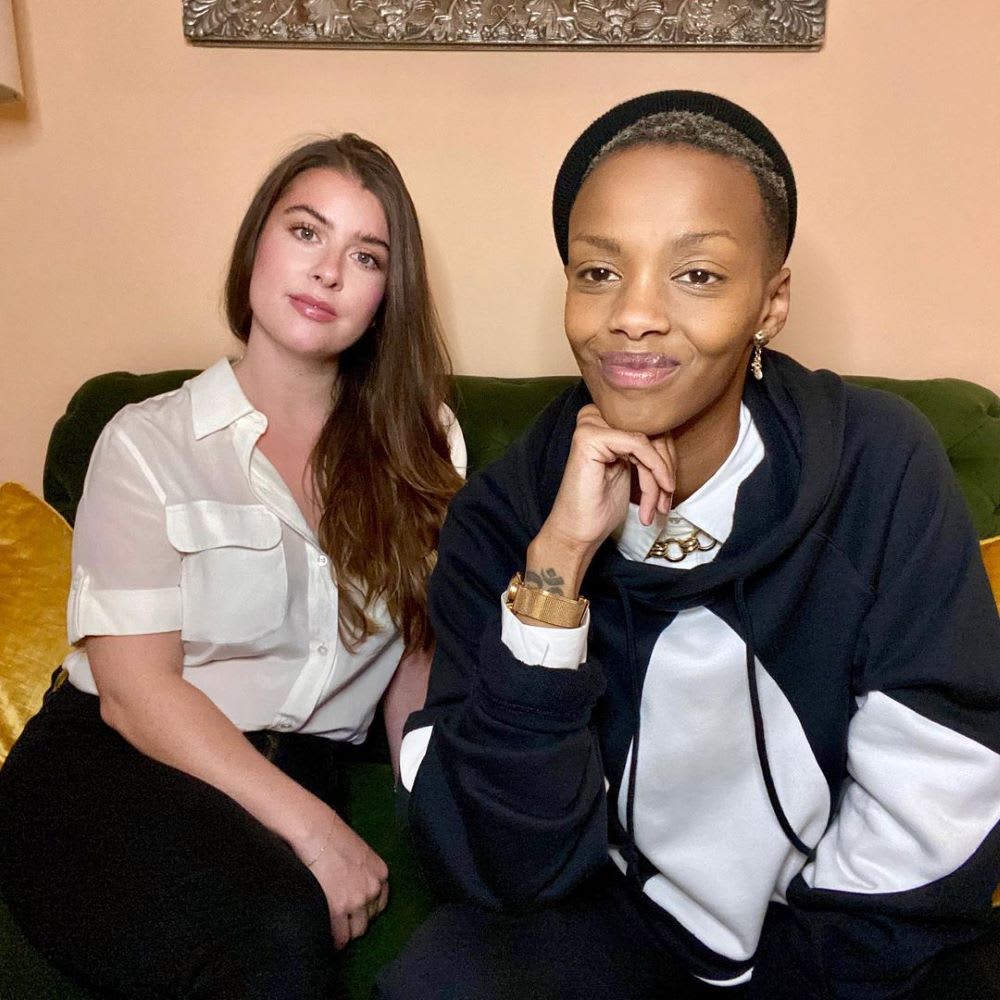
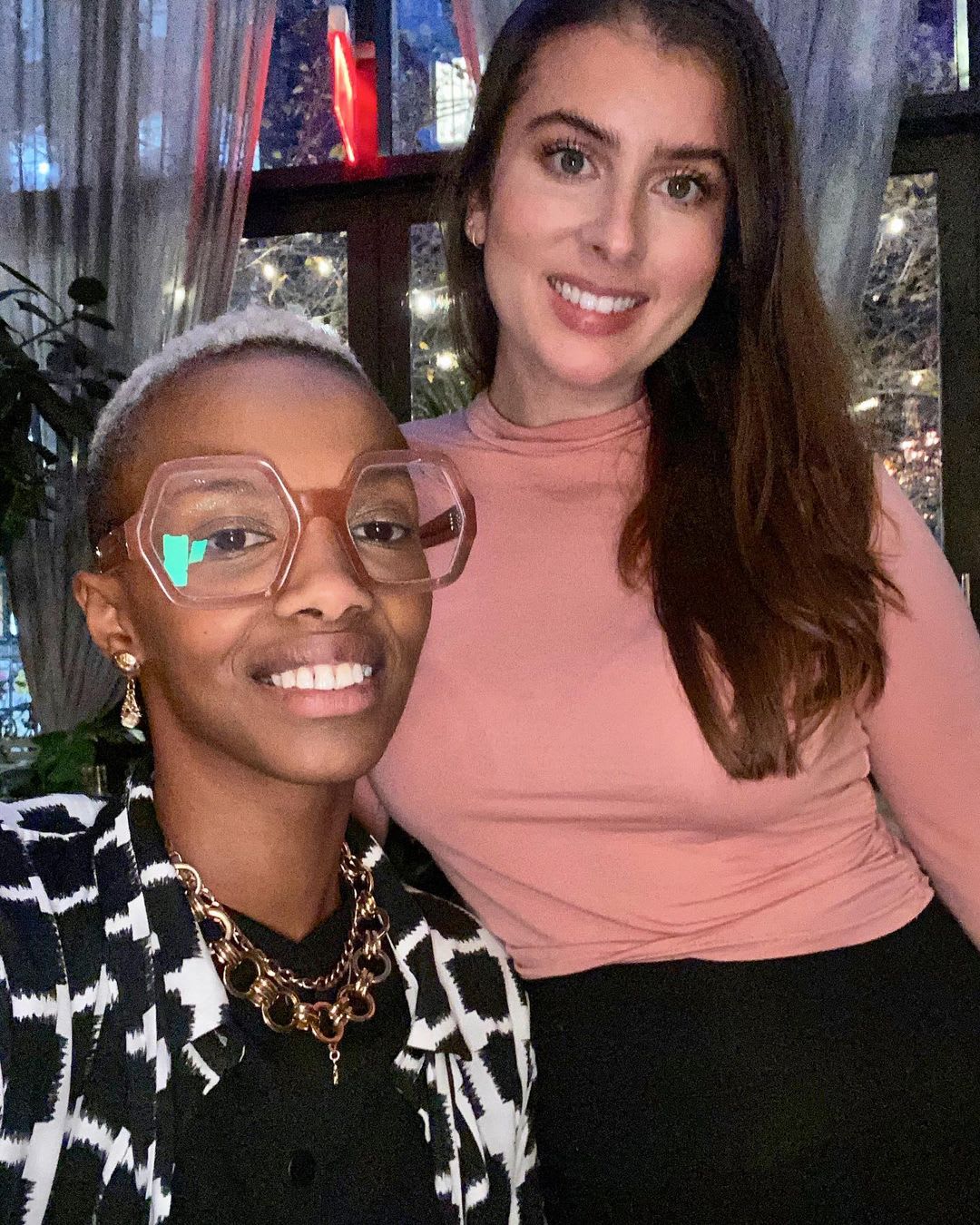
Through their podcast, The Kinswomen, Yseult Polfliet and Hannah Pechter aim to bridge the gap between women of color and white women. They engage in open, honest discussions about race, and offer guidance on how to be an ally. For more information on the Kinswomen, visit @the.kinswomen on Instagram and check out www.kinswomenpodcast.com.
This post was originally published in February 2021.
Join The Conversation (0)