Skin cancer is the most commonly diagnosed type of cancer in America, and nearly 10,000 new cases are diagnosed every day. Some forms of skin cancer are treatable, but others, like melanoma, are more likely to be deadly. However, the vast majority of skin cancer cases could have been prevented. The primary cause of skin cancer is exposure to ultraviolet radiation, which can be minimized by taking some basic precautions.
Stay Safe in the Sun
The biggest source of UV rays by far is the sun. Keeping yourself safe from getting too much sun is important all year long, not just during sunny summer days. Even if it’s cool and cloudy, UV radiation can still reach you. It can also bounce off of light-colored and reflective surfaces like bodies of water, cement, and snow. But you don’t need to hide indoors all the time and never go to the beach again. Instead, you just need to take some sensible precautions to protect yourself.
- Check the UV index before you head outside. If it’s at or above 3, skin safety should be a concern.
- Stay out of the sun whenever you can, especially during the late morning and afternoon hours, when the UV radiation is strongest.
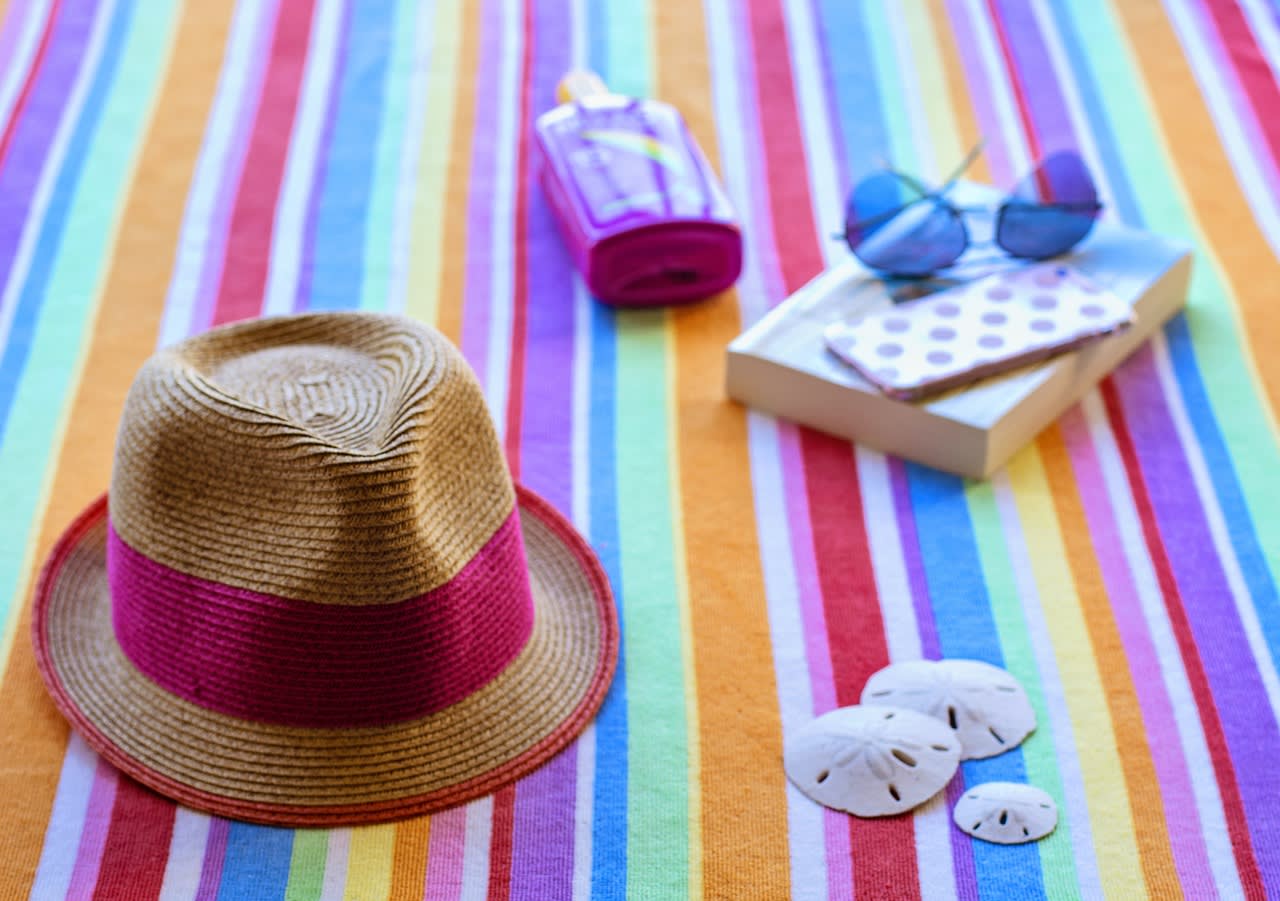
- Wear clothes that cover all of your skin, and put on a wide-brimmed hat to keep your head and neck shaded. That cute bikini is great for when you’re swimming, but you should cover up when you’re lounging by the pool to stay safe.
- Protect your eyes from damaging UVA and UVB rays by wearing a good pair of sunglasses.
- Always wear sunscreen with an SPF of at least 15. If you go swimming, make sure to reapply your sunscreen once you come out of the water and towel off. And whether or not you go in the water, you should put on more sunscreen every two hours. Make sure to apply it liberally: You should use roughly the amount you’d need to fill a shot glass.
Skip the Tanning Bed
Indoor tanning is a great way to give yourself a sun-kissed look, but it’s also a great way to damage your body. Tanning beds use high levels of UV radiation, which penetrates the layers of your skin, prompting the skin to make melanin, the pigment responsible for that golden tan. That means that a tan isn’t a healthy glow: It’s actually a sign that you’ve damaged your skin. Using tanning beds can also damage your eyes or even cause severe burns. If you really want to get a tan, get yours from a bottle instead of a tanning bed. Self-tanning lotions and sprays are a safe alternative, and as long as they’re used correctly, they can give you a natural-looking tan without the risk.
Additional Resources
- Skin Cancer Facts and Statistics
- The Truth About Sunscreen: Seven Facts to Set You Straight for a Safe Summer
- What Is the UV Index?
- Take Steps to Prevent Skin Cancer
- Your Daily Sun Protection Guide
- Five Simple Steps to Help Prevent Skin Cancer
- How to Choose the Best Sunscreen: Dermatologists’ Advice
- Is Self-Tanner Safer Than the Sun?
- Skin Cancer Prevention
- Ten Ways to Prevent Skin Cancer
- How to Choose Your Sunscreen
- Causes and Risk Factors for Skin Cancer
- Nine Ways to Lower Your Skin Cancer Risk
- What Clothing Is Best for Sun Protection?
- Which Sunscreen Is Best for You?
- The Sun, UV Light, and Your Eyes
- Skin Cancer Prevention Tips
- Skin Cancer Types and Symptoms
- Preventing Skin Cancer: Advice for Before and After Sun Damage Occurs
- Five Ways You Can Prevent Skin Cancer
- Seven Skin Cancer Myths Debunked
- Tanning Is Out: Indoor Tanning and Your Health
- Are Tanning Beds Safe?
- Tanning Bed vs. Sun: Which Is More Dangerous?
- The Dangers of Tanning Beds
Join The Conversation (0)