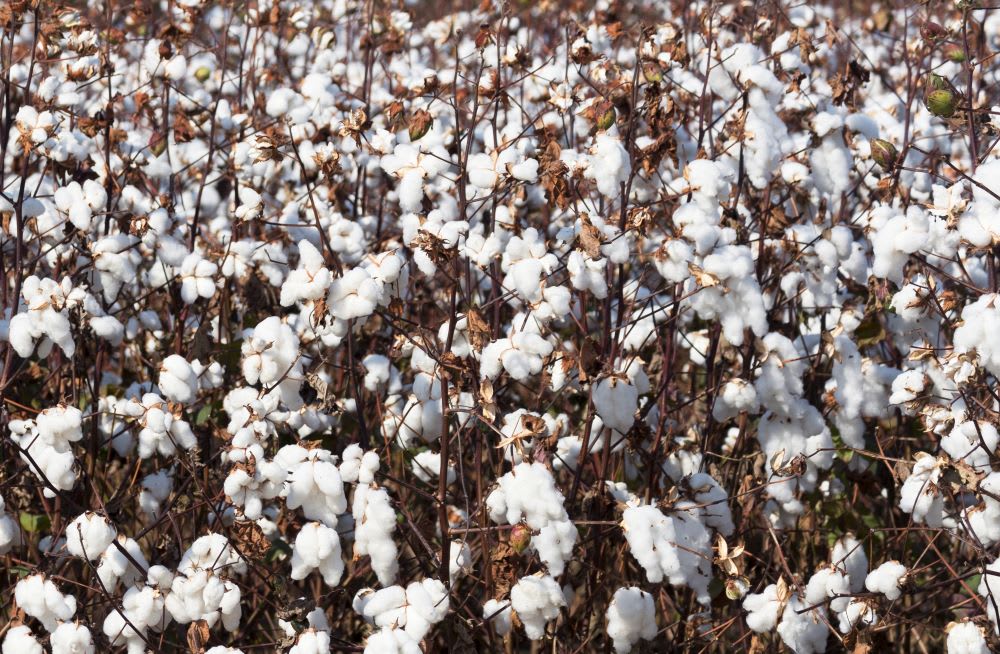
Sustainable fashion is all about making clothes in a way that is good for the environment and does not harm it. That includes using materials that are eco-friendly, like recycled fabrics and organic cotton. It also means treating the workers who make the clothes fairly and paying them well. Sustainable fashion focuses on creating clothes that last a long time, so you don’t have to throw them out quickly. By choosing sustainable clothing, we can help to protect the environment and make sure that the people who make our clothes are treated with kindness and respect.
What Is Sustainable Fashion?
Sustainable fashion is about choosing to wear clothes that were made without harming the people who make them or the planet we live on. A big part of sustainable fashion is buying high-quality clothes that will last a long time, so we don’t have to keep buying new clothes as much. The opposite of sustainable fashion is fast fashion. Fast fashion is very common nowadays: It means making clothing quickly and cheaply to keep up with the latest trends. Often, fast fashion is made in ways that can harm the environment, using low-quality materials that wear out quickly, by people who are paid very, very little for their work.
Sustainable fashion also includes doing things to keep clothing from being wasted if it can still be used. Buying secondhand clothes at thrift stores can be a part of this, as it gives clothing a second life instead of letting it be thrown in the garbage. You can also repurpose old clothes to make new things. For instance, you might add decorations to a shirt to make it look cooler, add fun patches where there are holes, or cut up a piece of old clothing and turn it into cleaning cloths to use around the house.
- What Is Sustainable Fashion?
- Why Fashion Needs to Be More Sustainable
- Sustainable Fashion: Redefining Style for a Greener Future
- What Sustainable Fashion Is, Why it Matters, and How to Achieve It
- Understanding Sustainable Fashion
- What Is Sustainable Fashion?
The Impact of Fast Fashion on the Environment
It may seem fun to update your style with new clothes, but fast fashion can do a lot of damage to the environment. Making cheap clothing uses a lot of chemicals and water, especially when fabrics are dyed different colors. This creates polluted water that can get into rivers and streams and hurt the plants and animals that live there. Fast fashion also encourages people to buy more clothes than they need, which creates a lot of textile waste. When these clothes are thrown away, they fill up landfills and take a long time to decompose. Clothing made from materials like polyester can also release harmful gases when they break down.
The production and transportation of clothing also contributes a lot to carbon emissions, which make climate change worse. Clothing factories often use fossil fuels, releasing greenhouse gases into the atmosphere, and so do the trucks that bring all of these clothes to stores and warehouses for us to buy.
- Fast Fashion vs. Sustainable Fashion
- Fast Fashion and its Environmental Impact
- Putting the Brakes on Fast Fashion
- The Economic, Social, and Environmental Impacts of Fast Fashion
- The Aftermath of Fast Fashion: How Discarded Clothes Impact Public Health and the Environment
- Fast Fashion: The Negative Impacts on Society and the Environment
How Kids Can Make a Difference
Even if you’re not the one paying for your clothes, you can still help to make your wardrobe more sustainable and encourage your family to do the same.
- When you go shopping for new clothes, choose things that are made from sustainable materials, like organic cotton, linen, bamboo, hemp, or even recycled plastic bottles. These materials don’t need lots of water or chemicals to be turned into clothing.
- Buy secondhand clothing at thrift stores or consignment sales. This helps to reduce the demand for more clothes to be made, and it keeps clothes that can still be worn out of landfills.
- Upcycle clothes that aren’t in style anymore or that have small holes or tears. For example, you could tie-dye an old shirt or dress you don’t like, repair a hole in the fabric by sewing it closed or by putting on a cool-looking patch, or cut off the legs of a beat-up pair of pants to make shorts.
- Set up a clothing swap to trade clothes you don’t like anymore with your friends and neighbors, and give away clothes you’ve outgrown to younger kids.
We can all do our part to protect the environment by wearing sustainable clothing and reducing waste. You can also spread the word about sustainable fashion and encourage your friends to join you in thinking about our planet when they pick out clothes.
- The Role of Policy in Promoting Sustainable Fashion
- What We Know and Need to Know About Sustainable Fashion
- Seven Sustainable Ways You Can Fight Fast Fashion at Home
- What Does the Future of Sustainable Fashion Look Like?
- Five Things to Know About Sustainable Fashion
- A Practical Guide to Buying Sustainable Fashion
Join The Conversation (0)