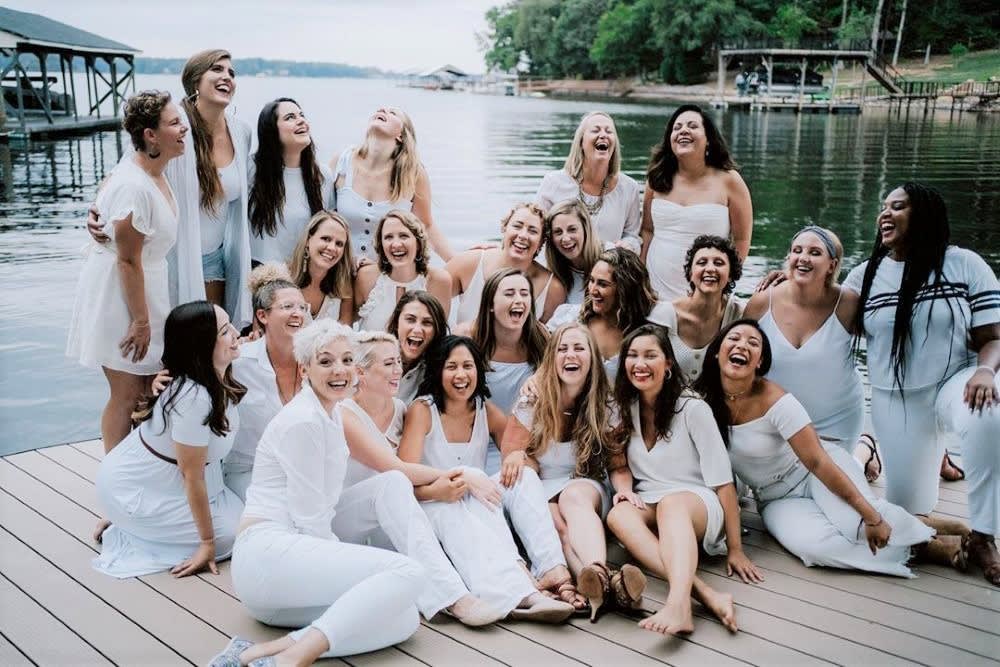
The Breasties isn’t one of your typical breast cancer support groups. Founders Allie Brudner, Paige More, and Bri Majsiak set out to create a nonprofit 501(c)3 organization that empowers young women affected by breast and reproductive cancers in a new way. How? Through community and friendship. By connecting thousands of young women, online and offline, through free wellness retreats, events, and meetups across the globe, these women have created an all-inclusive community of previvors, survivors, thrivers, and caregivers.
We talked to Allie, Paige, and Bri about what makes The Breasties special, why breast cancer support is needed even after a clean bill of health, the importance of having a network that “gets it,” and how young women can be proactive about their own health.
Lulus: Tell us how The Breasties started–what was missing from typical breast cancer support groups?
Allie Brudner: I’m a breast cancer survivor who was diagnosed at 28 years old. With no significant family history for breast cancer, I had to advocate for myself when I found a breast lump and brought it to my doctor’s attention. During treatment, I knew that I had to channel my energy into helping others–connecting with other strong women in similar situations is what helped push me through the toughest times.
Paige More: In 2017, I opted to have a preventative double mastectomy after discovering I carried the BRCA 1 genetic mutation. After feeling alone during the entire decision-making process, I decided to start sharing my story on Instagram to give other women the hope that they too could become warriors, not worriers.
Bri Majsiak: I lost my mother to breast cancer at the age of 5 and grew up constantly worrying about my increased breast cancer risk. I tested positive for a lesser-known gene mutation and I’m in the process of navigating surgery and making prophylactic decisions.
PM: The Breasties was born out of necessity. When all of the co-founders were going through our own journeys surrounding cancer, we found personal comfort in dreaming up a group that made all young women dealing with a high risk or diagnosis feel as if they were not alone.
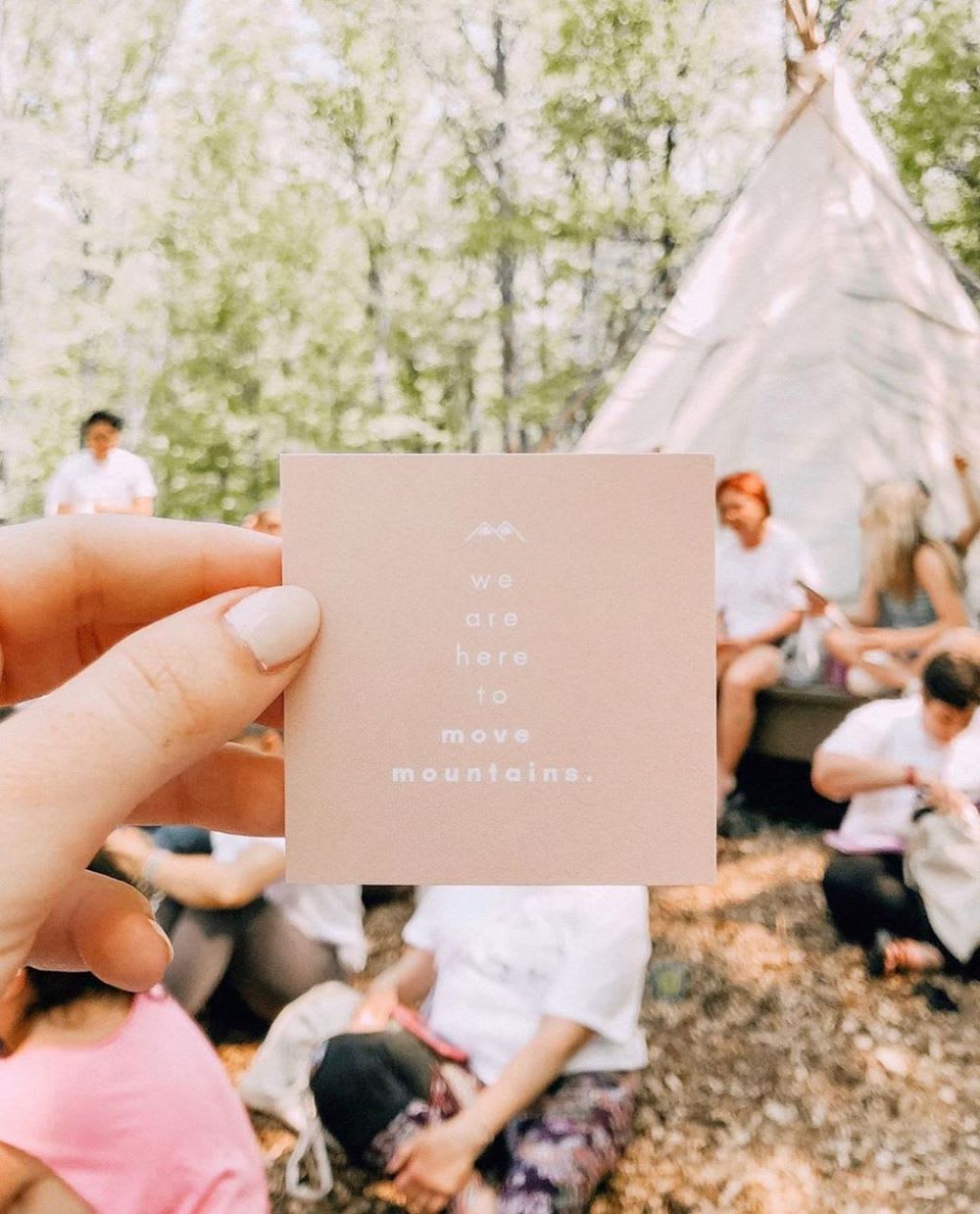
BM: There are so many organizations that exist that focus on research and medicine, which is so needed, but we each noticed a huge gap out there for support. We all felt a strong need to connect with other women that “get it” to not feel alone, to feel welcomed, to find a sense of belonging.
AB: In January of 2018, we hosted the very first wellness retreat. We received so much love and support from local businesses that wanted to donate. And when we returned home, we had hundreds of women asking how they could join in on the next retreat. We knew we had to work hard to make this official.
PM: We have since incorporated as a 501(c)3 organization. To date, we have hosted 10 free weekend wellness retreats for over 200 women, our first annual Camp Breastie for nearly 500 women, a Move Mountains Gala and have 45 (and growing) chapters in cities around the world. In 2020, we plan to host our very first international retreat!
Lulus: That’s incredible! So what’s the difference between meetups, retreats, and Camp Breastie?
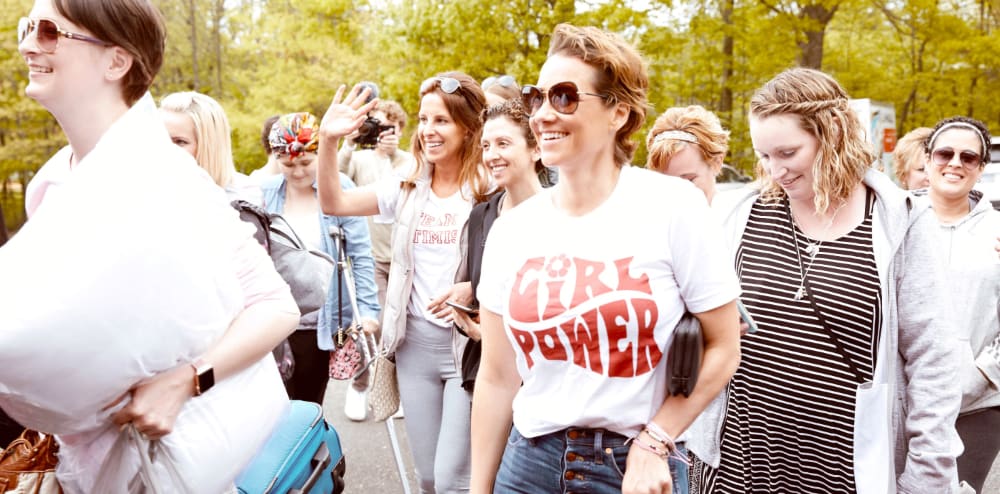
BM: Meetups are free events hosted by Breastie Ambassadors, who are active in 45+ locations worldwide, each hosting meetups for [breast cancer] support at the local level. Our chapters are currently in cities across the map, from New York to Los Angeles, and even international chapters in the UK and Canada!
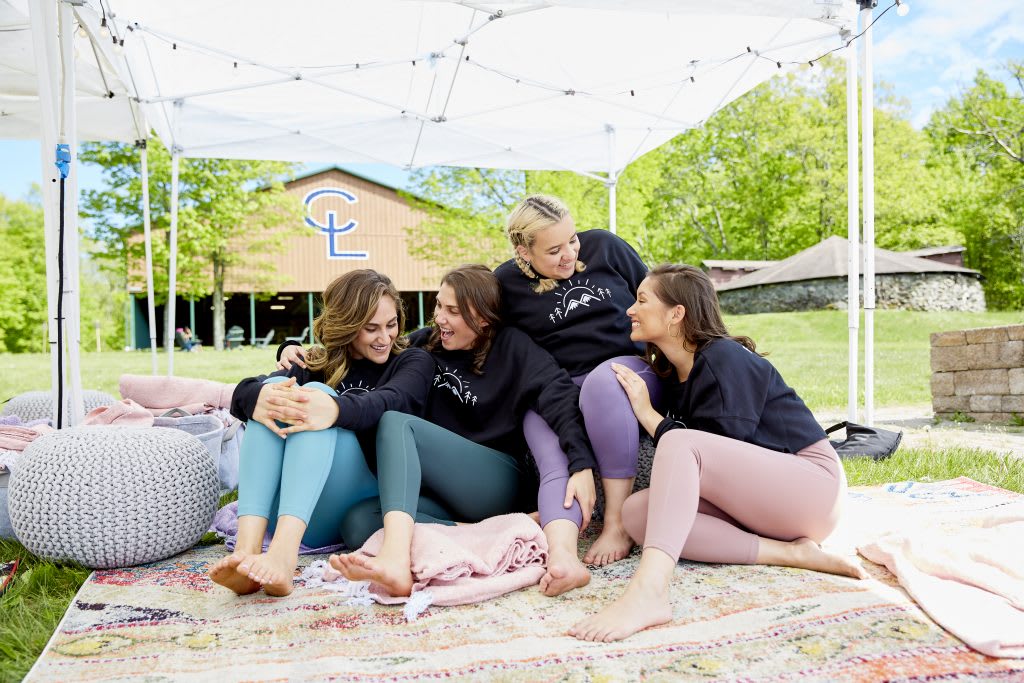
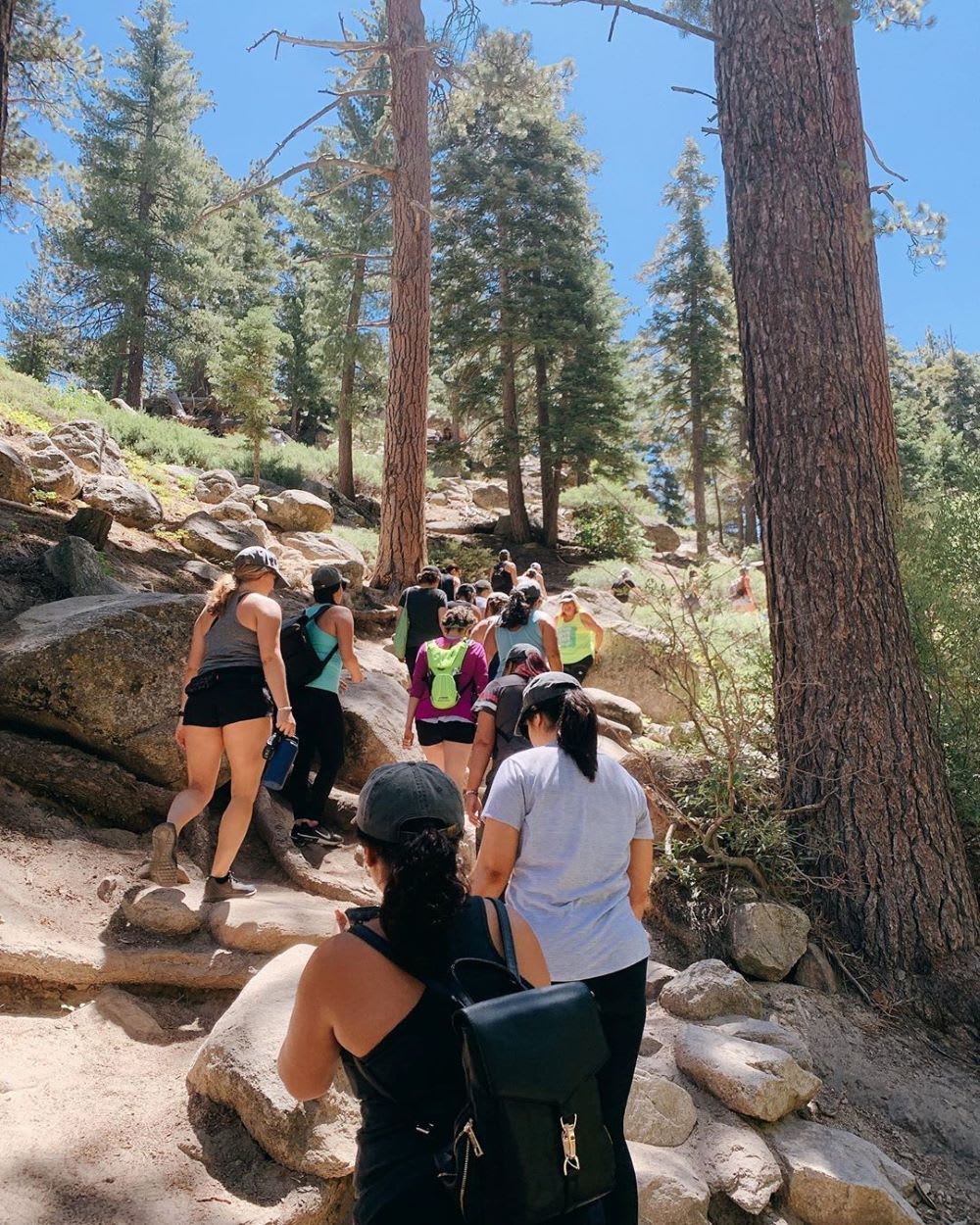
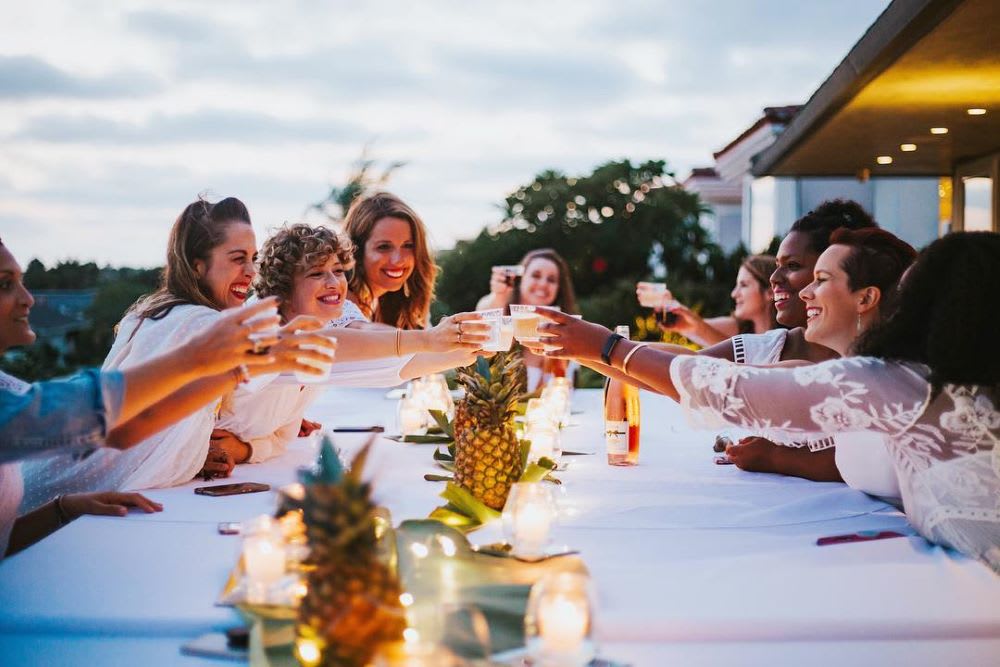
AB: Retreats are free getaways for women in the community to come together for a weekend of wellness. The intention for each retreat is for women to meet other survivors, previvors, thrivers, or “high risk” individuals, and bond in nature over shared experiences.
PM: Camp Breastie is an energizing weekend-long experience in the outdoors dedicated to community, wellness, and fun! Think of the ultimate summer camp experience but with nearly 500 women who “get it” by your side. Here’s a video from this year’s first Camp Breastie:
Lulus: So beautiful. So how do you decide where to hold retreats?
BM: We try our best to host retreats in new locations and where we find the greatest need (for breast cancer support groups). Unfortunately, we receive over four times the amount of people applying for retreats than we can accommodate so we’re trying our best to serve the community. Camp Breastie was inspired by this, as a place for hundreds of women to come together for a weekend.
Lulus: Are all of the events free? How are they funded?
AB: All events and retreats are completely free to attend. We know that when you’re in this community, you’re often inundated with medical bills and so we strongly believe that you shouldn’t have to pay for support or community. Camp Breastie is our only “ticketed” event and we’re very proud to offer camp registration (including accommodations, food, activities, etc) at less than our at-cost rate.
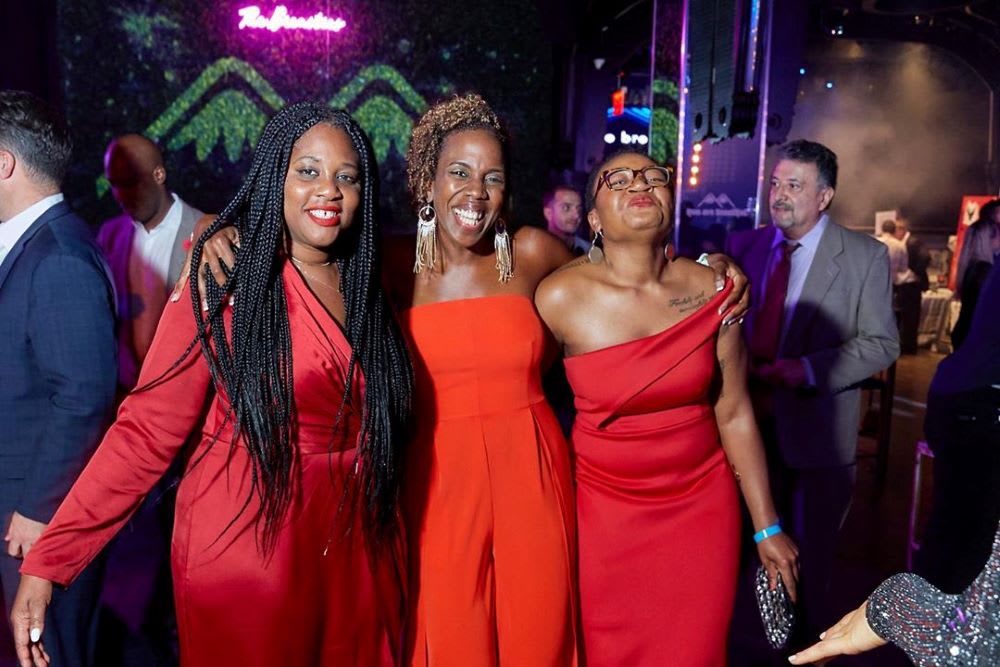
PM: Our October Move Mountains Gala funds the majority of our programming each year, in addition to partnerships and cause-marketing campaigns.
Lulus: Why focus on support for younger women? What are the statistics for younger women with regard to breast cancer?
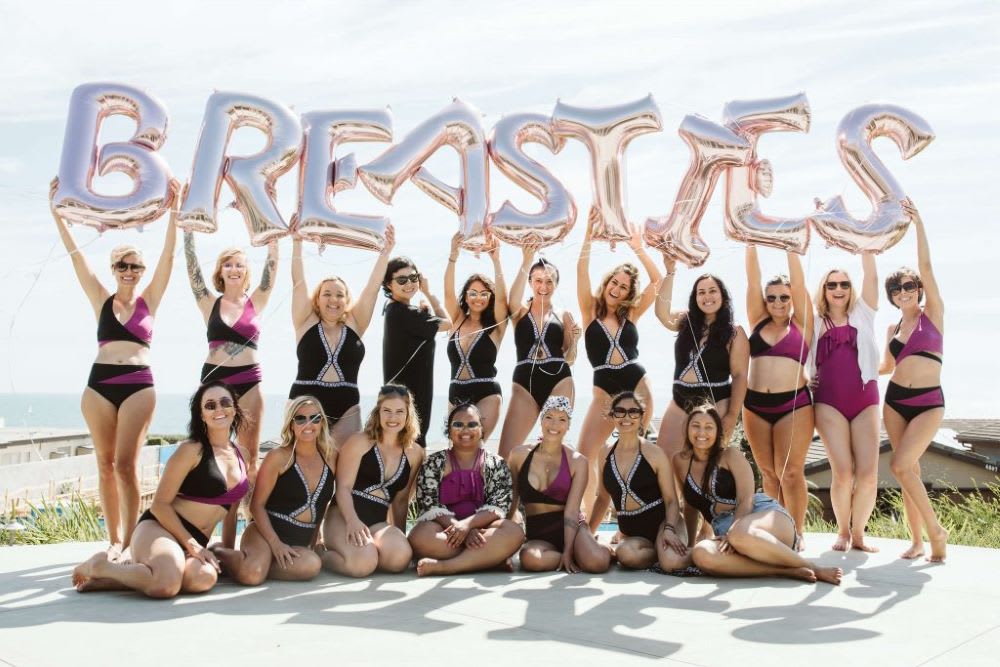
BM: It’s hard not to feel like an anomaly when diagnosed with cancer or a genetic mutation so young. There is a misconception that breast and reproductive cancers are diseases for older women. The Breasties community proves that to be false: We are a growing community of young women, some dealing with cancer diagnoses in our twenties and thirties.
According to the CDC, about 11% of all new cases of breast cancer in the United States are found in women younger than 45 years of age. We’ve also found that younger and younger women are discovering high-risk gene mutations, increasing breast and reproductive cancer risks, and making preventative decisions.
PM: Though our community is mainly younger women, anyone who wants to be a breastie is one. We have many women in their 40’s, 50’s and 60’s who attend our retreats, come to events, and attended camp. They like to say they are young at heart!
Lulus: Oh, we love that! And why are community and breast cancer support groups so important?
AB: When you are young and dealing with cancer, the experience is entirely different. The decision-making process is different. The Breasties community consists of women, some of who are single and navigating dating while diagnosed, some of who are newly married. We need to deal with issues such as fertility preservation and completely losing your libido due to the side effects of treatment, and how to talk to our partners about that.
BM: As a young woman facing a cancer diagnosis or genetic mutation that makes you high-risk, it can be really hard to make sense of where you go from there. Your medical team will guide you in terms of your physical health, but once you are deemed “healthy”, it is not always an easy adjustment. Everything changes–your body is different from surgeries/treatments, you have new worries/fears, your whole perspective might even shift. It is hard to adjust to this “new normal.”
PM: We are not your average support group. Some of us tried going to different [breast cancer] support groups prior to meeting each other and had a hard time feeling accepted because of our age. The Breasties community is a safe space: it is friendship for those dealing with cancer in any capacity.
AB: At diagnosis, it is so isolating. We each felt desperate to feel like our old selves and find others who understood. Being in a sterile room (usually of a hospital or community center), sitting in a circle, talking about cancer was not what we needed.
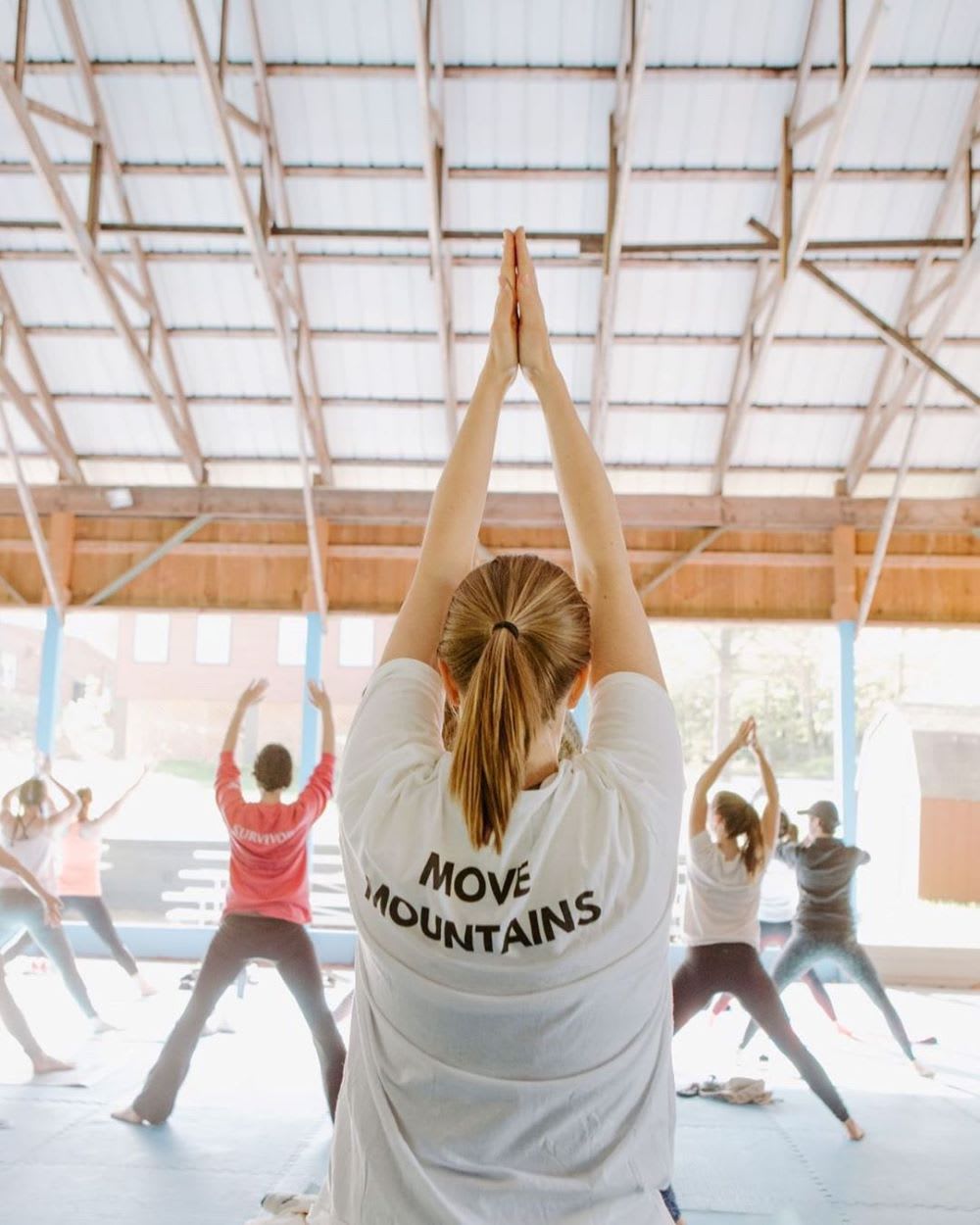
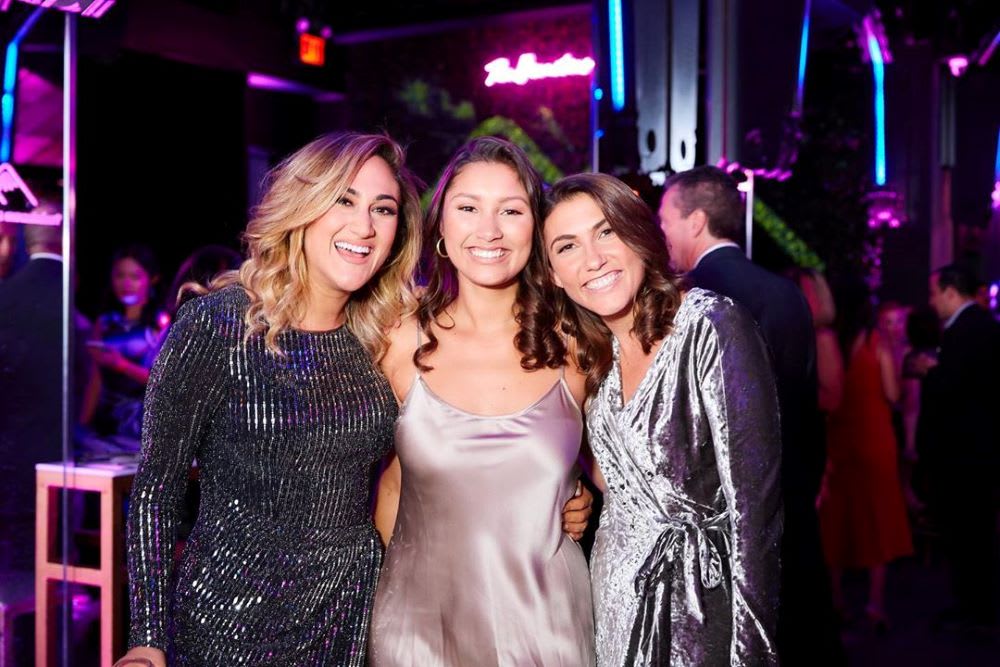
PM: We wanted to create a place where women could find community and friendship while doing the things they want to do–workout classes, potluck dinners, paint and sip nights. Bottom line: We are bringing together women who are connected by cancer but are so much more than that. Breasties are everyday women–women who want to experiment with new healthy recipes, try the latest workout class, read the latest fiction book, and sip refreshing cocktails. So we host events doing just that. We host retreats and events that are fun, yet create the space to feel safe to talk through the hard stuff–losing your hair, making surgical decisions, navigating relationships, and dealing with this “new normal.”
Lulus: Paige, you call yourself a “previvor”–can you tell us a little about what that means?
PM: A previvor is a survivor of a pre-disposition to cancer or a preventative survivor.
Lulus: On your Instagram, you’ve talked about having mixed feelings about October as Breast Cancer Awareness Month. How do each of you feel about it?
BM: Breast cancer is more than October. Women (and men) are diagnosed all year long. Those affected by cancer go through treatment, have surgery, lose loved ones – all year long.
AB: Although we’re thankful for the awareness that has resulted from October initiatives, it is important to also acknowledge “pinkwashing.” October can often become an explosion of pink: pink clothes, pink foods, pink everywhere. Breast cancer is far from pretty and pink–it has affected too many, too young, and unfortunately, continues to do so. Many women in the community share how they feel this disease is being exploited for commercial gain. The pink ribbon has done its job: WE ARE ALL AWARE. So now, let’s take action. Let’s provide support to those affected. Let’s fund research. Let’s make change.
PM: For those of you who choose to contribute, make sure you do your homework. Know where your money goes. Know what you are supporting.
BM: Another thing that many people don’t know is that there are very few organizations that allocate donations to fund metastatic breast cancer research–the only kind of breast cancer that kills. Stage IV needs more.
Lulus: Wow. What’s one thing you wish people knew about the experience of being touched by breast cancer and other women’s cancers?
AB: We wish that more people understood that you are never “too young” and that even if and when you are given a clean bill of health, it’s never really over. There’s a misconception that a cancer diagnosis or high-risk gene mutation is a one-time experience–that once you finish treatment or heal from surgery you can just move on. And the truth is, it’s always going to be a part of you. We hope to empower women not to try to move on, but to move forward.
Lulus: Amen to that. How can young women take care of their breast health/be proactive about it? Any resources you recommend?
PM: We recommend that all women know their risk. Know your body. Check your breasts. Know your family history. Advocate for yourself. You have the right to question your doctors. If something doesn’t feel right, say something. If you are unhappy with a doctor’s advice, speak up.
BM: Get genetic testing. Genes can be passed down from your father’s side, not just your mother’s. There are also many more genes other than BRCA that put women at a genetic disposition to breast and gynecologic cancers, and they are coming to the forefront as well. A list of common genes can be found here.
AB: We want women to know that they do not have to be scared of their bodies or their risk of cancer. Knowledge is power–and when you have friends who understand you, support you, and may have already gone through it, we believe that helps alleviate some of the fear.
PM: The Breasties community is here for you. Reach out to us directly, or reach out to other women in the community who are sharing their stories, and allow them to be here for you.
Do you have questions about breast cancer or support groups near you? Ask in the comments!
(Images via The Breasties)
Join The Conversation (0)