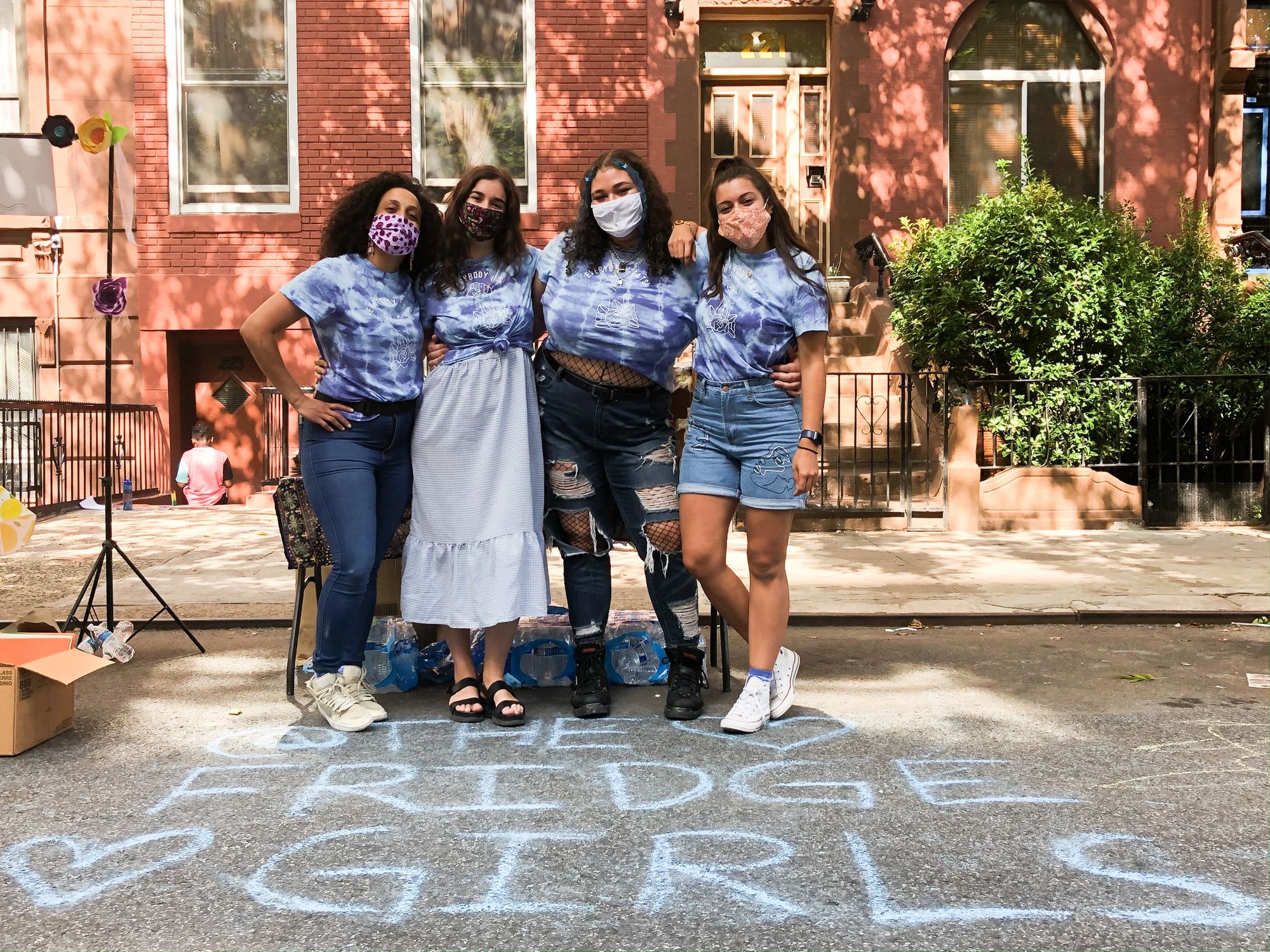
Bronx natives Didi, Taz, Izzy, and Sarah want a future where everybody eats. The four Latina women are the founders and activists behind mutual aid group The Fridge Girls and together, they work to provide the members of their NYC neighborhoods with fresh food. By collecting food donations and coordinating drop-offs, they help stock community fridges (fridges filled with free produce and prepared foods available to anyone, no questions asked) in New York City’s most vulnerable, underserved areas. Because, in their words, “Access to food should not be a privilege.”
We chatted with these incredible women to hear more about how a community fridge actually works, how protest brought them together, and why helping your community is always worth it.
Lulus: So what is The Fridge Girls all about?
The Fridge Girls: Our mission is to work toward a future where everybody eats. It’s not just a saying, it’s “the code”, the quintessential NYC hood doctrine that dictates we care for our own. The Fridge Girls are about doing as much as we can to get the people in our communities provided for, we’re about fighting against the systemic racism and classism that has always been weaponized against the borough where we were all born and raised through radical love and community care. We’re about moving with authenticity and camaraderie, always.
Lulus: How did you get started doing this work? Did you all know each other before?
TFG: We all started individually, first attending Black Lives Matter marches at the start of the summer and then branching to different forms of protest. Eventually, we honed in on mutual aid.
Didi: I was volunteering at the city hall autonomous zone that was set up this summer. Like, the day before it was torn down and raided by the NYPD I took home all of these zines that were available at the free library. That’s how I learned about the vital importance of mutual aid in terms of helping, healing, and sustaining communities so that they’re able to fight back against oppressive systems. A few days later, I was delivering groceries to homebound folks and being introduced to the fridges.
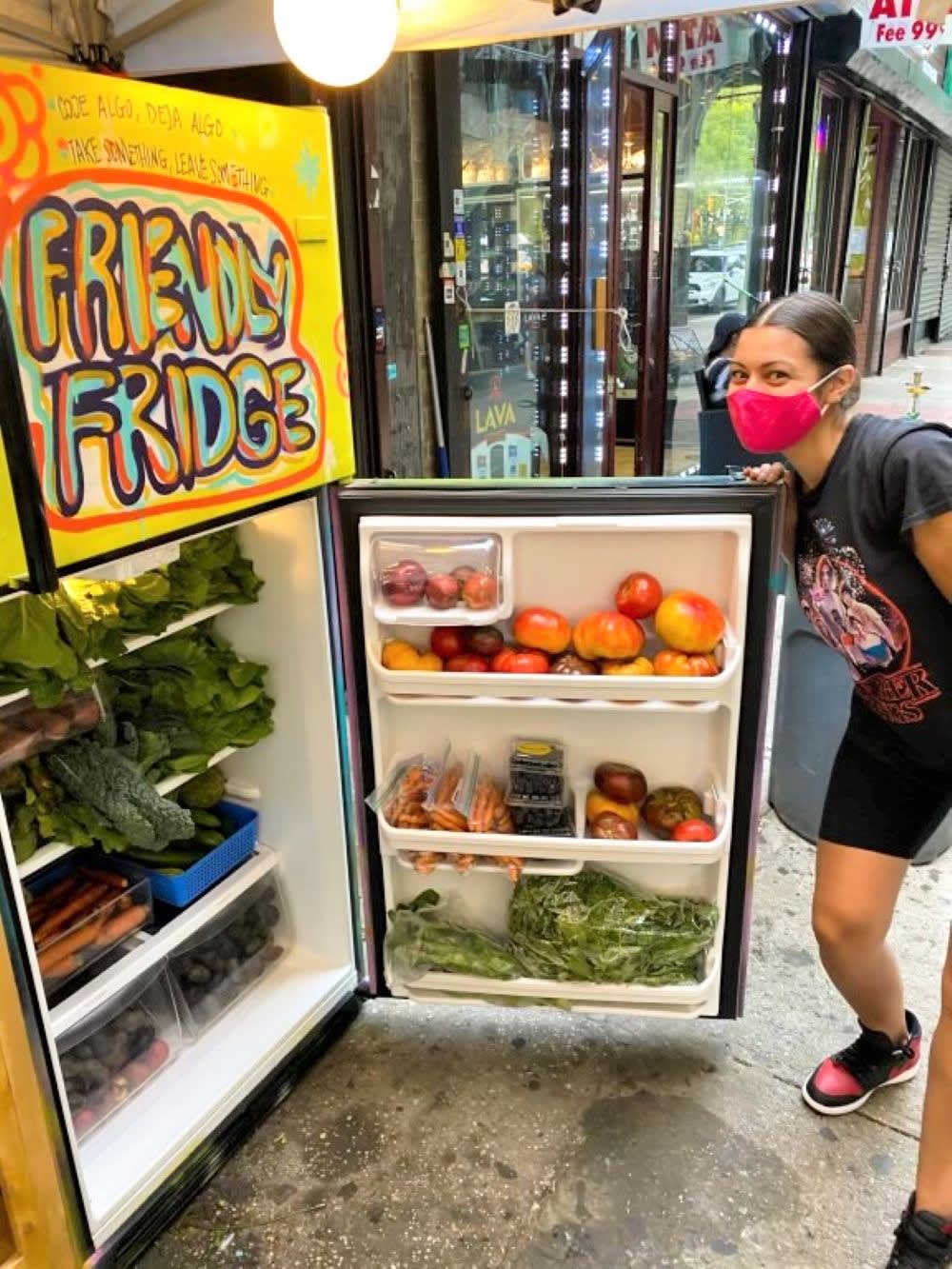
Taz: I began with small local deliveries for The Friendly Fridge BX back when there were only a handful of fridges in the city. I wanted to find more sustainable ways to give back and organize in my community, and make an impact at a time where I was unemployed and felt a little helpless.
Izzy: I’ve known Taziah for years, I noticed she started volunteering and I asked her if I could help her in any way. She introduced me to Sarah and Didi and I fell in love with them and the cause.
Sarah: I reconnected with Taziah at a protest. I saw she was posting about helping the fridges on social media so I offered my car and my help, which grew to more days and fridges. Then the group organically came together.
Our inspiration comes from knowing intimately the resilience and strength of our people and our communities, it’s why we believe so strongly in the importance of serving the communities that you are from and to which you have that connection.
Lulus: For those who might not know, what is mutual aid?
TFG: Mutual aid is simply when members of a community take on responsibility for caring for one another and work together to improve conditions.
Lulus: Yes to that! So how does a community fridge work?
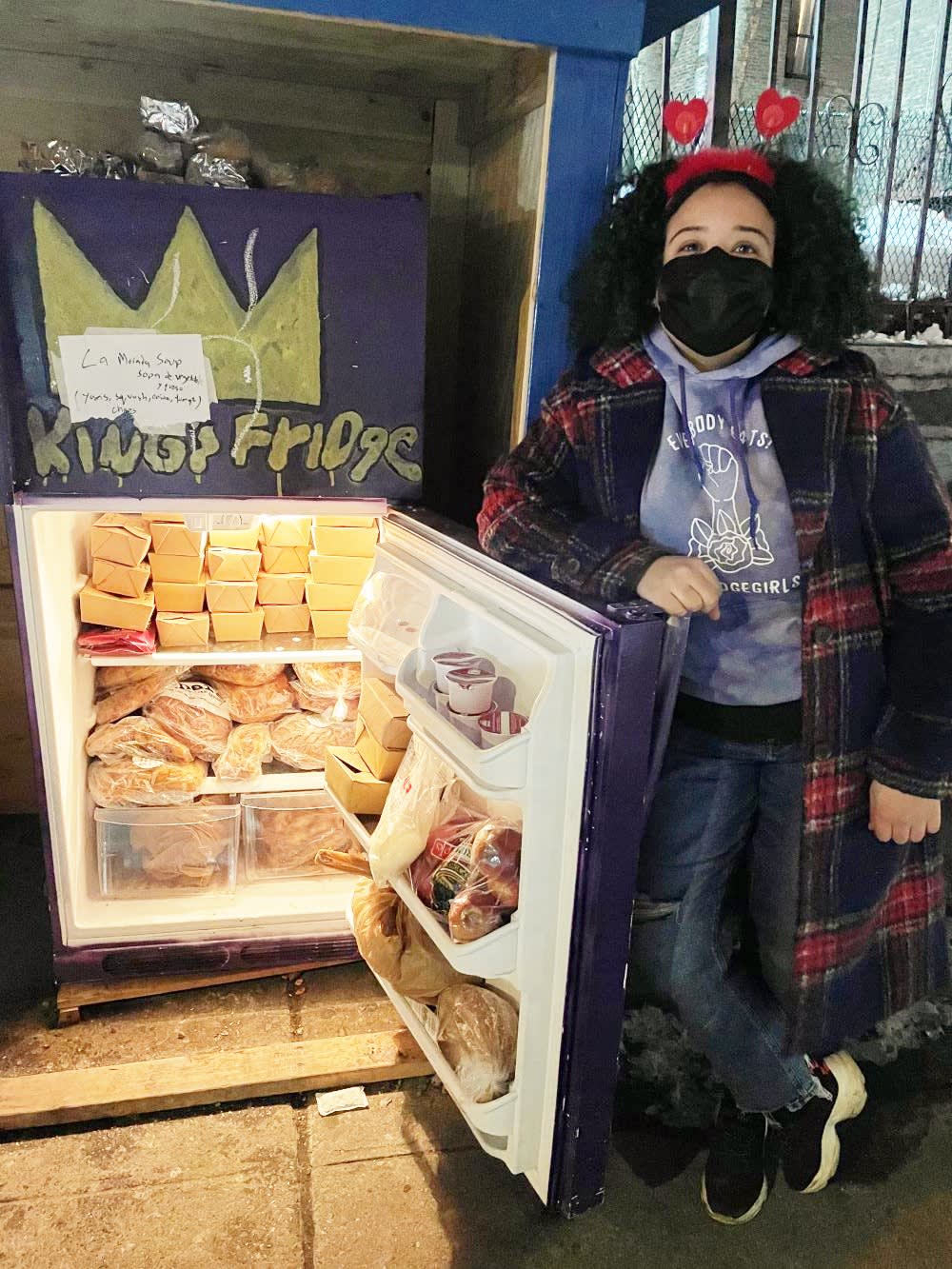
TFG: A successful community fridge is started by individuals within the community. If you want to start a fridge you first have to find a host. Ideally, that is a local business in an area of high foot traffic and visibility, one that’s willing to work with you, let you use their electricity to power the fridge, and set it up outside their storefront 24/7. Finding an actual fridge is the easiest part–especially in big cities like NYC, just by browsing Craigslist.
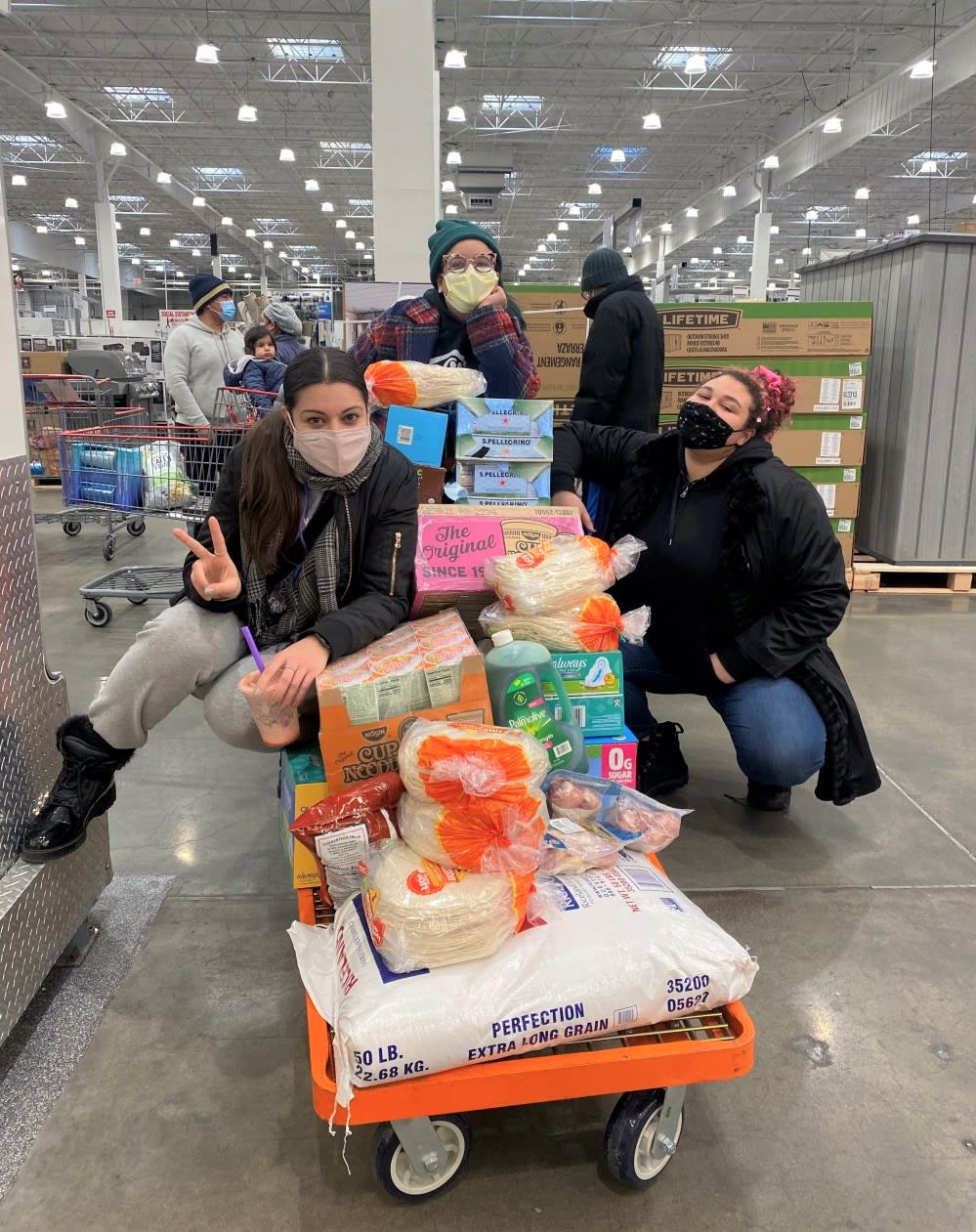
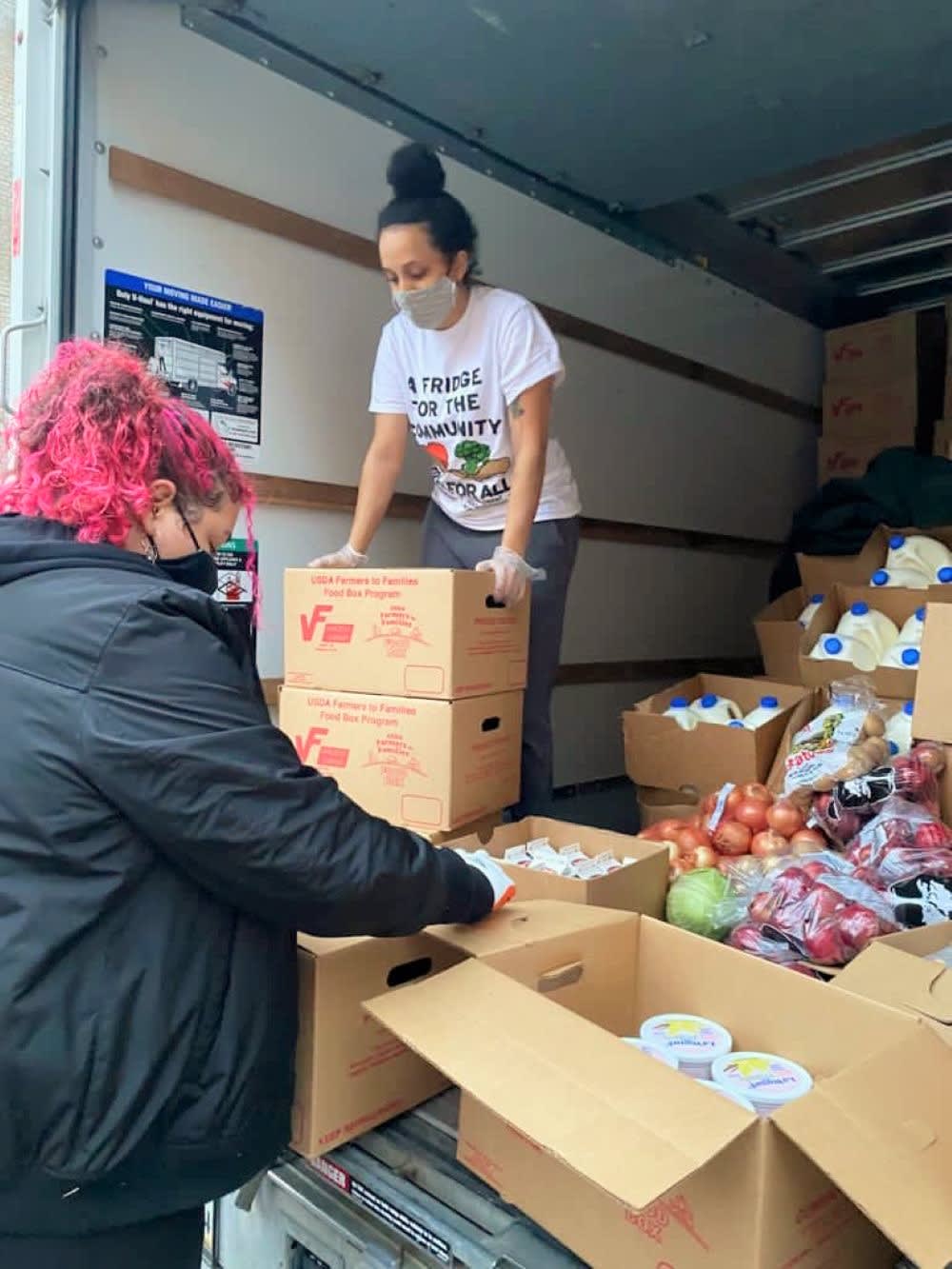
The food comes entirely from the work of volunteers. We source, pick up, and deliver surplus produce, prepared meals, pantry items, etc. to the fridges. Sources include farmers’ markets, grocery stores, churches, bakeries, and more. It’s important that anyone hoping to start a fridge knows it is a huge time commitment. At the end of the day, these fridges require a massive community effort to run smoothly.
Lulus: It certainly seems that way. When do you all find the time for this?
TFG: We’d be lying if we told you we had a work/life balance. Honestly, when somebody calls, we pick up. We’re all currently working on better practices for ourselves and our mental health and we try to hold each other accountable. We began this work together because half of us were unemployed due to the pandemic, and the other half was off from work for the summer. So we had a lot more time on our hands to fly off at every opportunity to rescue food.
But that isn’t to say we weren’t experiencing compassion fatigue and exhaustion on a daily basis. At first, when we didn’t jump at every opportunity, we felt personally responsible for food not getting into the hands of someone hungry. We have to remind ourselves now constantly that we are only four women; we are not a non-profit with massive funding behind it. We are not a legion of superwomen–and we’re not the government whose actual job it is to provide for the Bronx and places like it. We are just four women doing as much as they can.
Lulus: On that note, what are the biggest challenges you face with this work?
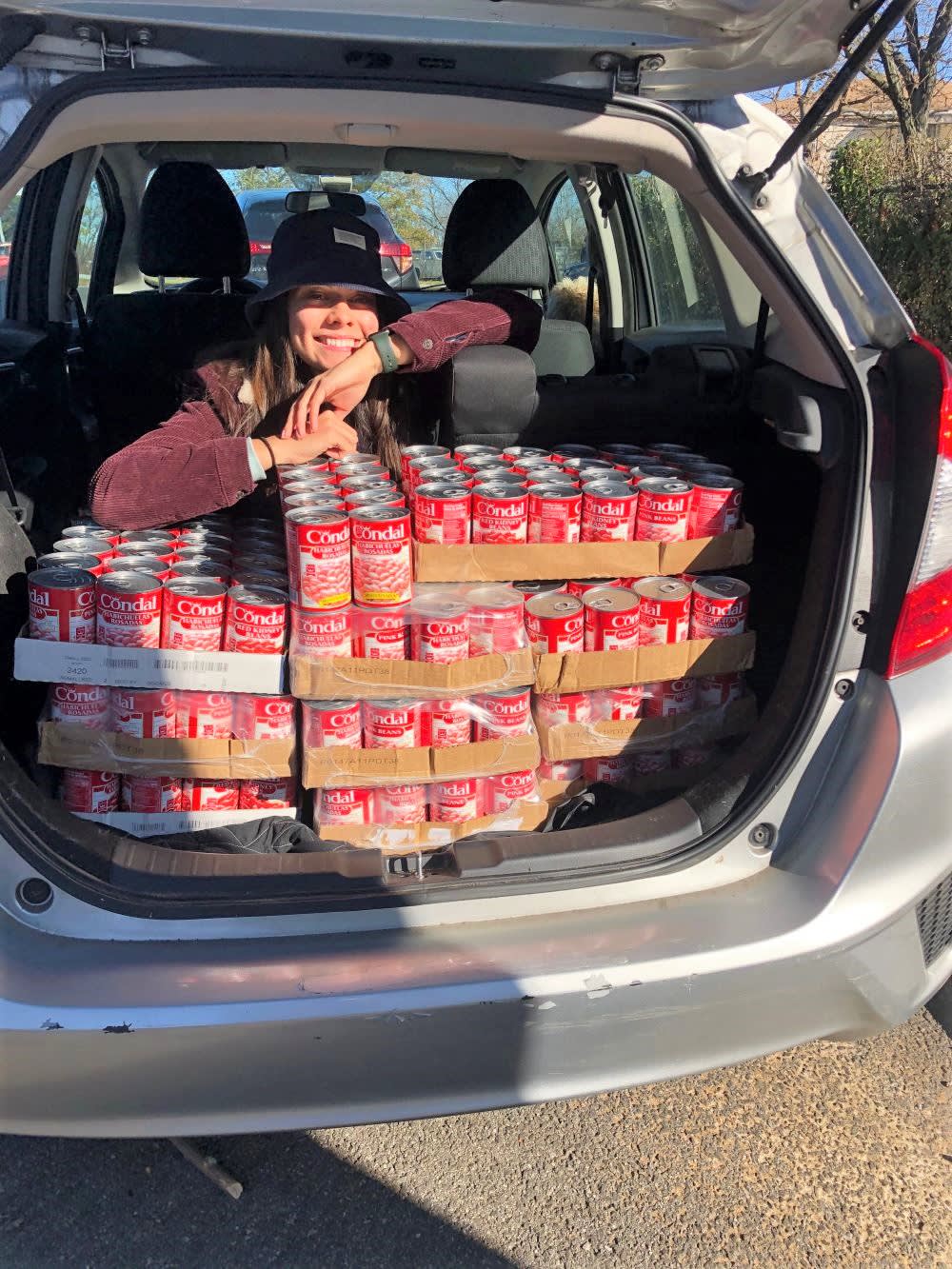
TFG: Each year, about 3.9 million tons of wasted food from New York end up in landfills and 13% of New York City residents are labeled food insecure. Yet, getting businesses to agree to divert all of the perfectly good, fresh food being tossed out each day to those who need it is a huge battle. We often hear the excuse concerning legal liability even though the Good Samaritan Act covers food donations. We are super grateful for the businesses that do partner with us, it makes us so happy to be able to feed people and reduce food waste all at once!
Lulus: And how has COVID-19 impacted food insecurity and your efforts?
TFG: New York City was hit the hardest in the states and of course, the Bronx, because it’s the poorest borough with nearly 30% of residents living below the poverty line, was left to rot. The death rates here were consistently the highest and at one point major news outlets were reporting that Bronx residents were more than twice as likely to die of COVID-19 than anywhere else in New York City. This is the context. These are the odds we are up against. This is the socio-political violence that affects every aspect of life here. Food insecurity–better known as food apartheid– is just another piece of that.
Lulus: Indeed. What do you envision for the future of Fridge Girls?
Izzy: I hope people will see the value in supporting mutual aid organizations like ours and through garnering more support, we’ll be able to give that right back to the people who need it most in this city.
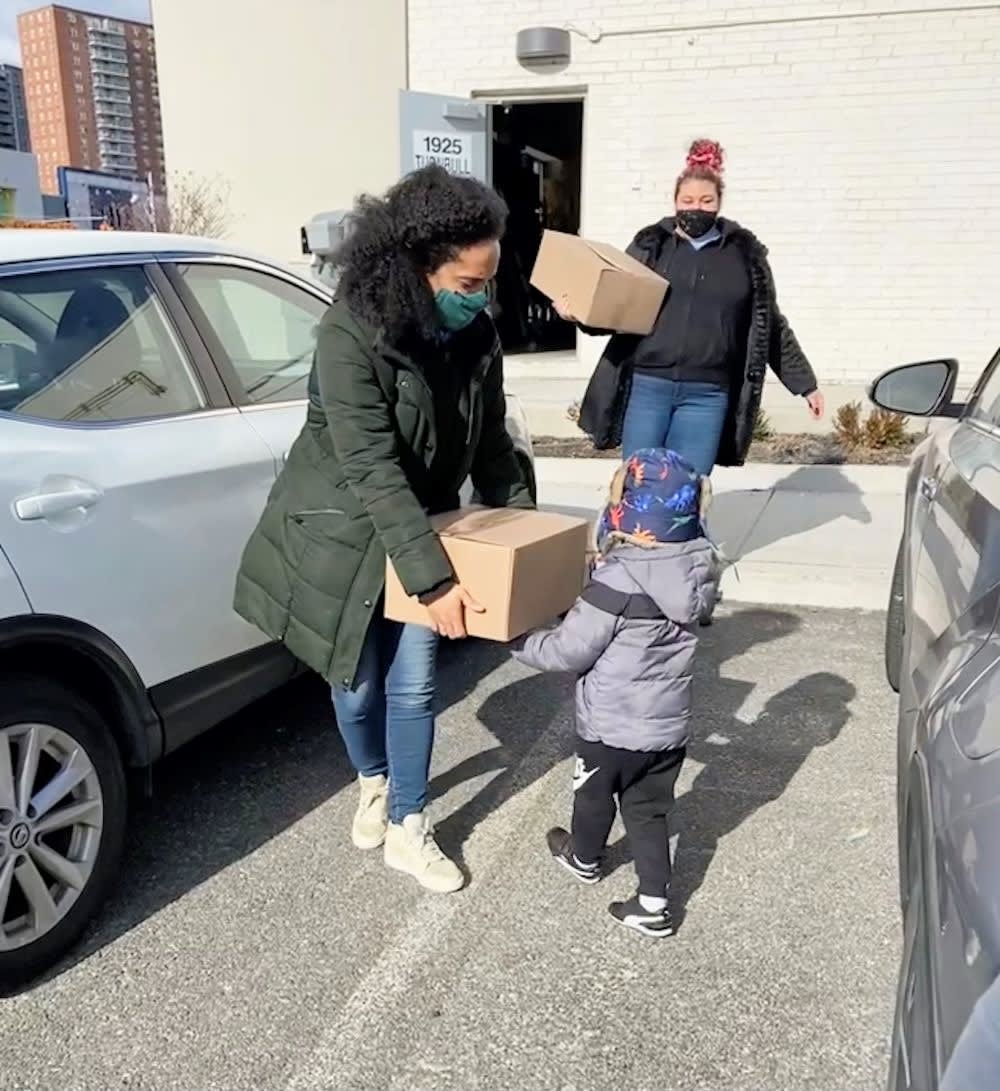
Didi: We have a few people who have been referred to us directly via word of mouth and we’ve been able to personally deliver care packages, groceries, clothing, home items, and so on more consistently. I’d love it if we could do that more regularly, to help the people who, because of a number of factors, don’t qualify to get the help they need through government agencies. It’s why mutual aid is so crucial.
Lulus: How can people get involved in the mission and/or bring this to their own communities?
Didi: It’s always a good idea to search on social media for mutual aid groups. Instagram is a great tool for connecting to what’s already in the works within your community.
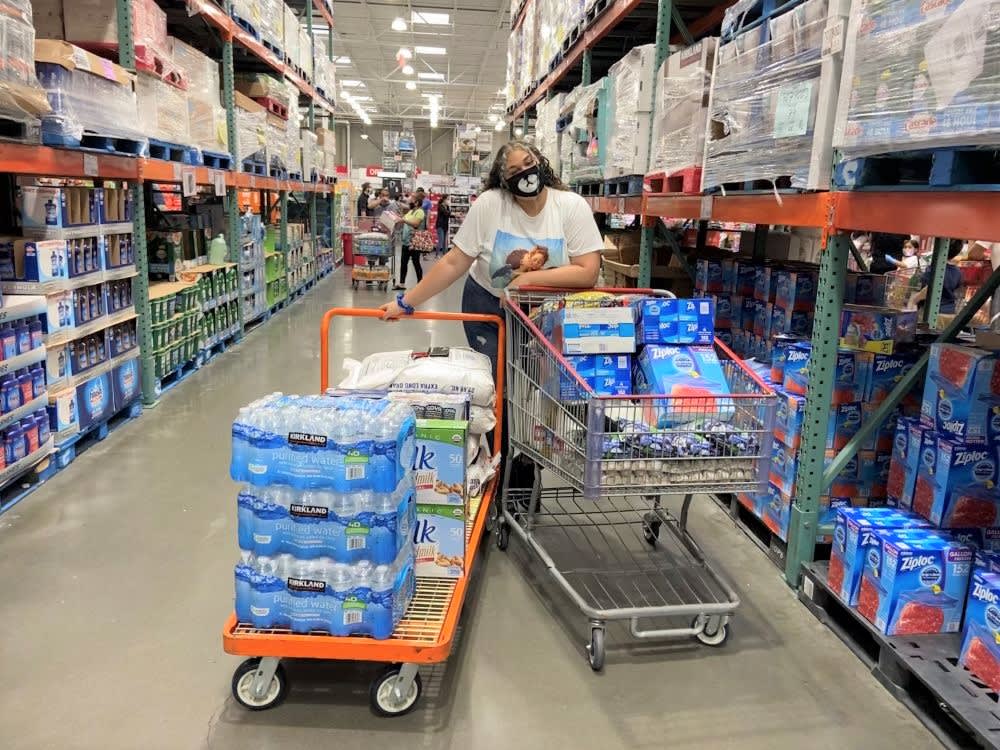
Izzy: And everything counts. Something as small as stopping by to clean a community fridge that’s in your neighborhood is actually a huge help.
Taz: If people within New York want to get involved we have a volunteer form on our website thefridgegirls.com and we are more than happy to get anyone connected to the right people.
Sarah: Also our Instagram @thefridgegirls DMs are always open!
Lulus: Wonderful! Are there any last thoughts would you like to leave us with?
TFG: We know we are not solving food insecurity. But the fact of the matter is: At present, the issue is not being solved. So anything that can help our communities in this area, even in the slightest, is worth continuing.
Have questions about the community fridge and or mutual aid? Ask in the comments! Or show us how you’re helping your community on Instagram @Lulus!
Images via The Fridge Girls
Join The Conversation (0)