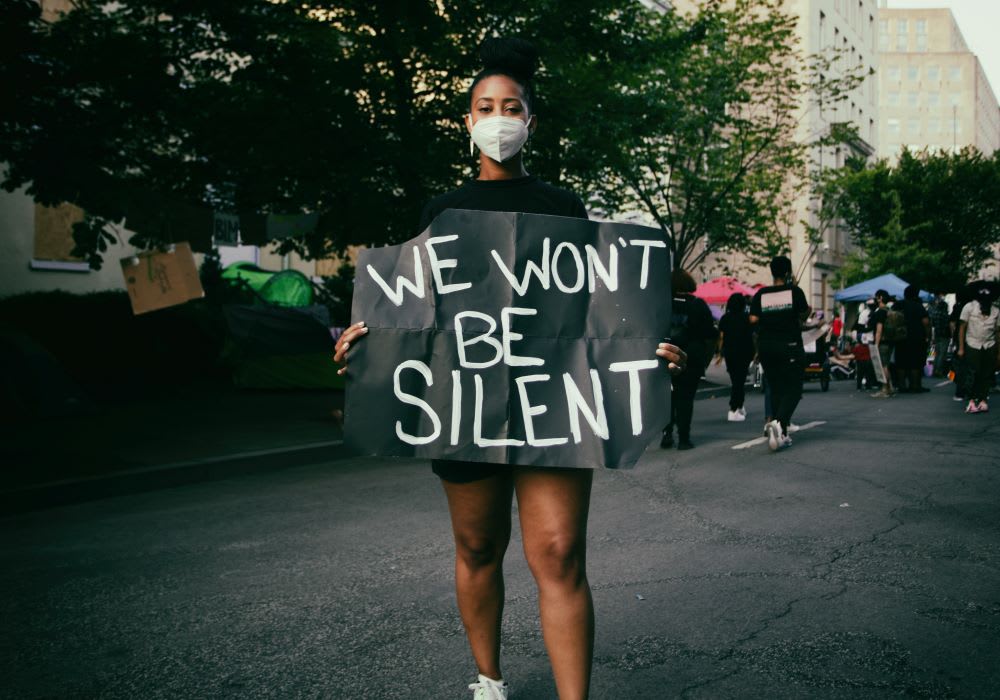
Even though February is Black History month, there’s really no excuse not to take an interest in Black rights and stories and find ways to challenge systemic racism year-round. While change doesn’t happen overnight, every small step is progress towards addressing and reversing generations of racial inequity and injustice. Allyship and antiracism take continuous work, vigilance, and momentum on both an individual and societal level.
One way to start the journey is to educate yourself, confront your own biases, and take action. The organizations and individuals behind these Instagram accounts have already started the work; follow them as antiracism resources and learn how you can join the fight.
The official Instagram account for the Black Lives Matter Global Network Foundation has calls to action, powerful messages, and tributes to Black voices. For Black History month, the account is spotlighting trailblazers, activists, and leaders such as historian Dr. Carter G. Woodson (who founded Negro History Week, the predecessor to Black History Month), writer Langston Hughes, and community organizer, Ella Baker.
Writer, academic, and social entrepreneur Rachel Cargle uses her platform to educate her 1.8million followers about racial injustice and self-improvement. For the month of February, she has a series of prompts using #discoverourglory2021 to allow people to do their own research on various topics including lesser-known topics and events in Black American history, Black-founded organizations, and more. Her other accounts, The Great Unlearn, a curated list of resources for self-paced learning, The Loveland Foundation, an organization designed to provide mental health support for Black women and girls and communities of color, are also worth a follow.
The Movement for Black Lives is a space for Black organizations nationwide to debate, collaborate, organize, and take action. On their Instagram account, you’ll find information on virtual organizing meetings, speaker panels, policy demands, and urgent calls to action. M4BL regularly underscores the importance of centering Black trans, gender nonconforming, non-binary, intersex, disabled, and immigrant perspectives, too. They also created Black Futures Month, often celebrated in conjunction with Black History month, to celebrate and visualize a joyful future through art.
Check Your Privilege, founded by Myisha T. Hill, a mental health advocate and social entrepreneur, provides resources and guides to help people realize their unconscious biases and progress along the journey of becoming antiracist. There are also online workshops and a podcast called Co-Conspired Conversations because as Hill says, “Becoming actively antiracist takes practice. Just like meditation, mindfulness, and karate, it involves practice, and if you’re not practicing, you won’t change.”
Reni Eddo-Lodge is the UK author of Why I’m No Longer Talking to White People About Race, which shows us that racism isn’t only an American problem. When sales of her book spiked during last year’s BLM protests, she donated and encouraged people who bought her book to also contribute to the Minnesota Freedom Fund, a non-profit bail fund.
Ijeoma Oluo is the author of So You Want to Talk About Race, which explains the different facets of racism, from microaggressions to cultural appropriation, and also what action to take if you want to do more than just talk about race. Her new book, Mediocre, dives into the history of white male America, and its impact on society in general.
Author of How to be an Antiracist and Director of Boston University’s Center for Antiracist Research, Ibram Kendi purports that it’s not enough to be not racist, we should be antiracist, actively championing and fighting for racial equity. His Instagram account provides a glimpse of how we can move towards becoming antiracist.
What started as an Instagram challenge (#meandwhitesupremacy) for people to recognize white privilege has turned into a book with step-by-step instructions on how to dismantle stereotypes, what allyship looks like, and what you can do to create social change. Author Layla Saad continues this work on social media, and also has a podcast called Good Ancestor, where she interviews other change-makers.
Filmmaker Ava Duvernay has helmed powerful movies and series such as 13th, When They See Us, and Selma. She’s also the founder of Array Now, a distribution company that promotes and amplifies independent films created by people of color and women. Her Instagram feed spotlights both Black talent and stories as well as comments on social justice and racial inequities.
No White Saviors is a Ugandan advocacy organization majority run by women and Africans. Their work and content aim to shine a light on and disrupt the White Savior Complex and to highlight and heal communities harmed by it. Their Instagram bio is “If you’re not uncomfortable, you’re not listening.”
Dr. Melina Abdullah is an activist, professor, one of the original Black Lives Matter organizers, and a Los Angeles chapter leader. She speaks out about white supremacy, Black power, and defunding the police.
Strong Black Lead is a group of Black Netflix executives that amplifies Black creators, stories, and entertainment. You’ll see familiar faces (Michelle Obama and the late, great Cicely Tyson) as well as new ones (Bridgerton’s Regé-Jean Page) on their feed, plus new Black titles that are added to Netflix monthly. Strong Black Lead also produces a podcast called Okay, Now Listen, where hosts Scottie Beam and Sylvia Obell talk about pop culture and trending topics, and interview celebrity guests.
What are your favorite antiracism resources on Instagram? Tell us in the comments and add to the list!
Join The Conversation (0)