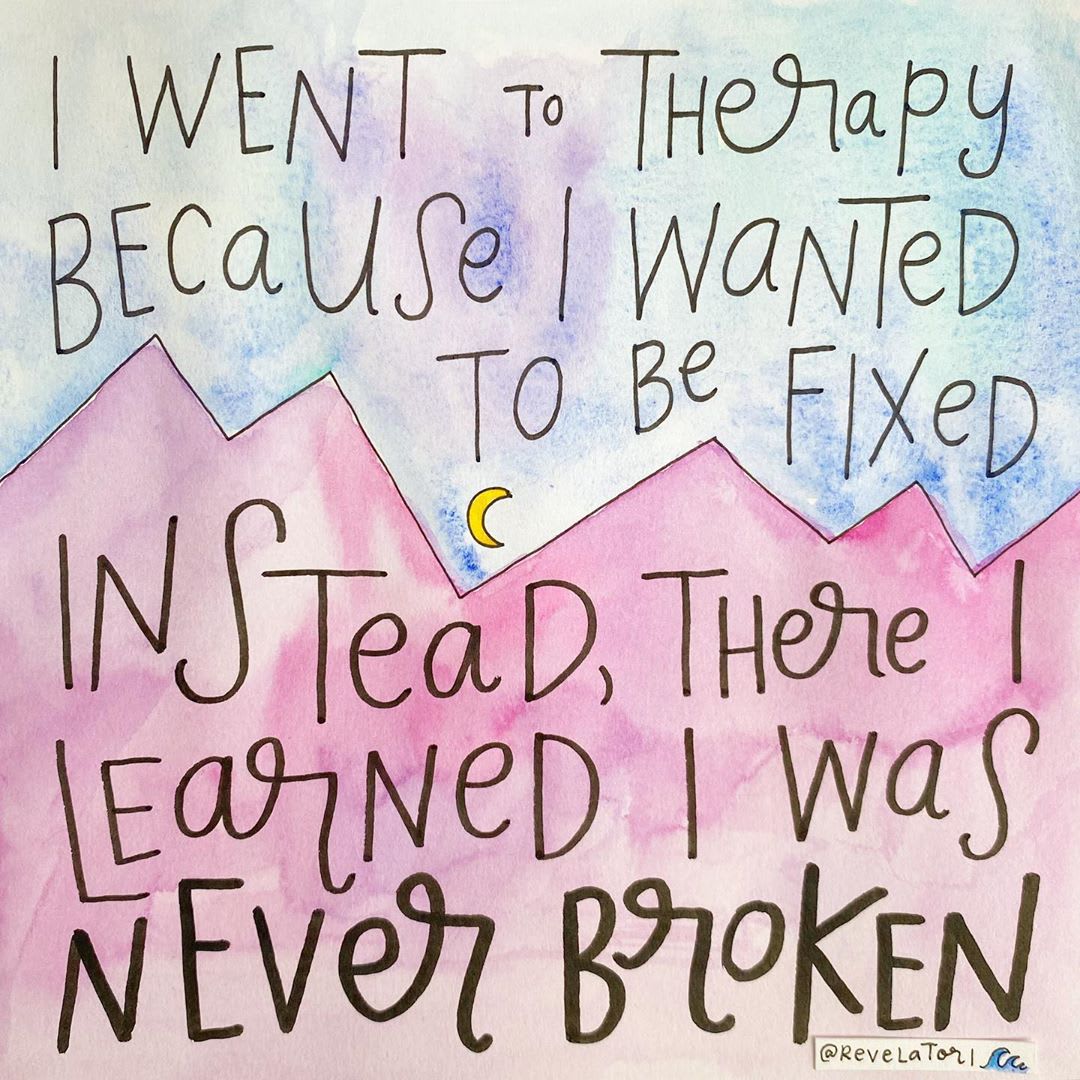
Artist Tori Press is on a mission to break the therapy stigma. Through her wildly popular Instagram account, Revelatori, Press uses her illustration talents and personal experiences as a means of destigmatizing mental health issues, sharing a peek behind the curtain of her own therapy journey and inspiring others to open up in the process. Especially now, during one of the most trying years of many of our lifetimes, connecting with your own emotional health needs and finding therapy resources is more important than ever.
We sat down to chat with this Insta-sensation to hear more about her work, why she reveals her deeply personal experiences to the world, and how therapy can be the self-care tool you’ve been missing.
Lulus: So what inspired you to start the Revelatori account? Have you always been an artist?
Tori Press: I have always wanted to be an artist but I never felt like I was good enough to create work for public consumption. I drew cartoons and doodled a lot as a child and teen and through my college years, but abandoned art in my twenties as I turned my focus to other career pursuits.
I had a freelance graphic design business where I focused on creating commercial art for clients for 10 years. Toward the end of 2016, I felt burned out and unenthusiastic about my design work, so I made the tough decision to close my business. My intent was to focus on spending more time with my family. I soon found that I was craving an outlet for my creative energy.
For Christmas that year, I bought myself a sketchbook and a set of Sharpies, intending to doodle little ideas and quotes just for myself. I shared a few of my drawings on my personal Instagram and the reception to them was huge. I had multiple friends encourage me to create a public account to share them. So I did—and Revelatori was born!
Lulus: Why do you think the account has become so popular?
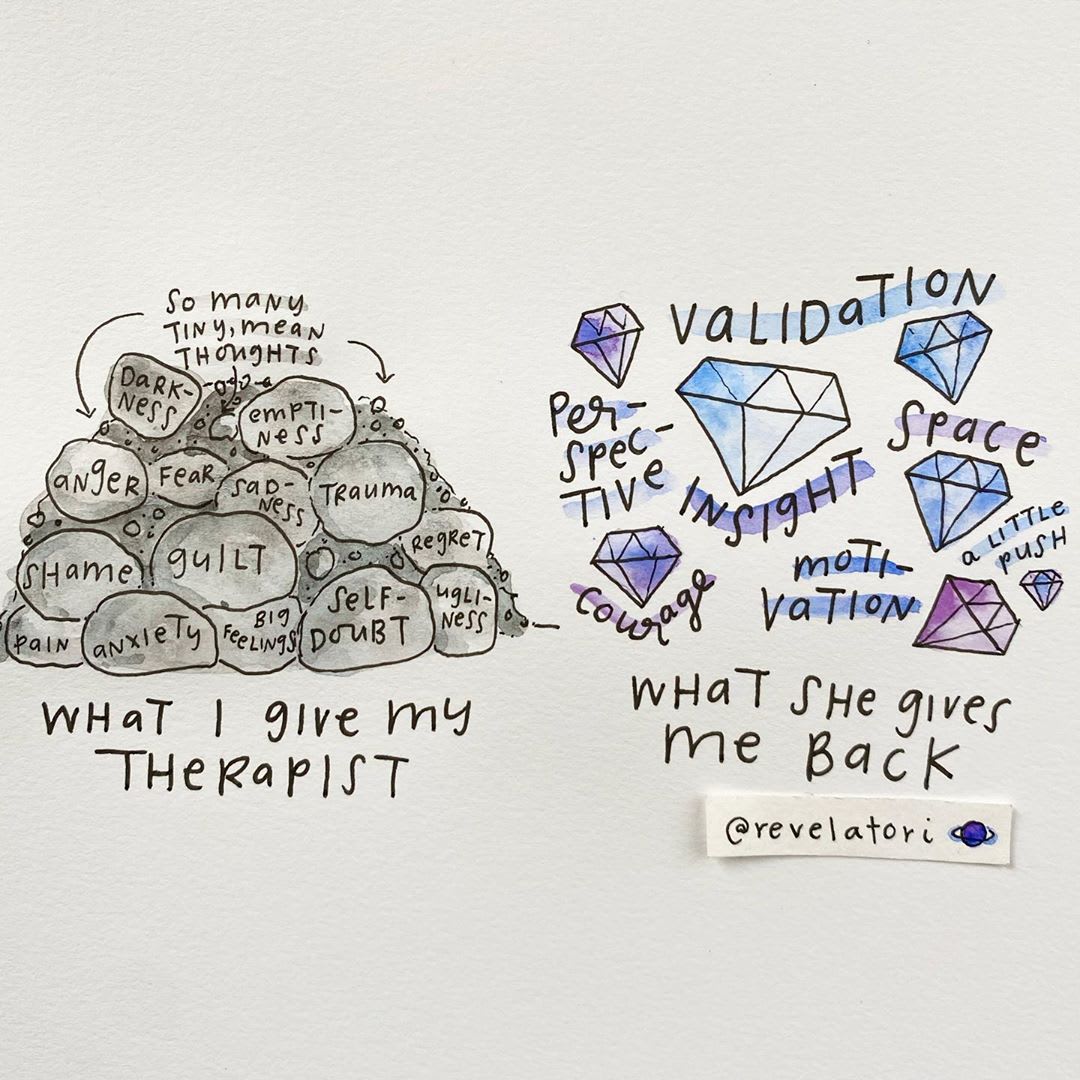
TP: Very quickly after I started drawing, I realized that it was not only a creative outlet, but an incredibly helpful tool for processing whatever was going on in my life—particularly for examining my emotions and thinking about my mental health. Somehow my thoughts untangled and my experiences made more sense to me as I put them down on the page. I guess my reflections hit home and helped other people going through similar experiences because I quickly found my work was being shared and my following was growing.
It was incredibly gratifying—a relief, even—to see just how many people could relate to what I had always perceived as a deeply personal, individual sort of darkness. It turns out the darkness is there for a lot of us—we just don’t all talk about it. But art is a little light we can shine to find one another and guide each other out.
Lulus: That is amazing! You refer to yourself as a “therapy enthusiast.” What inspired you to talk so openly and break the therapy stigma on Instagram?
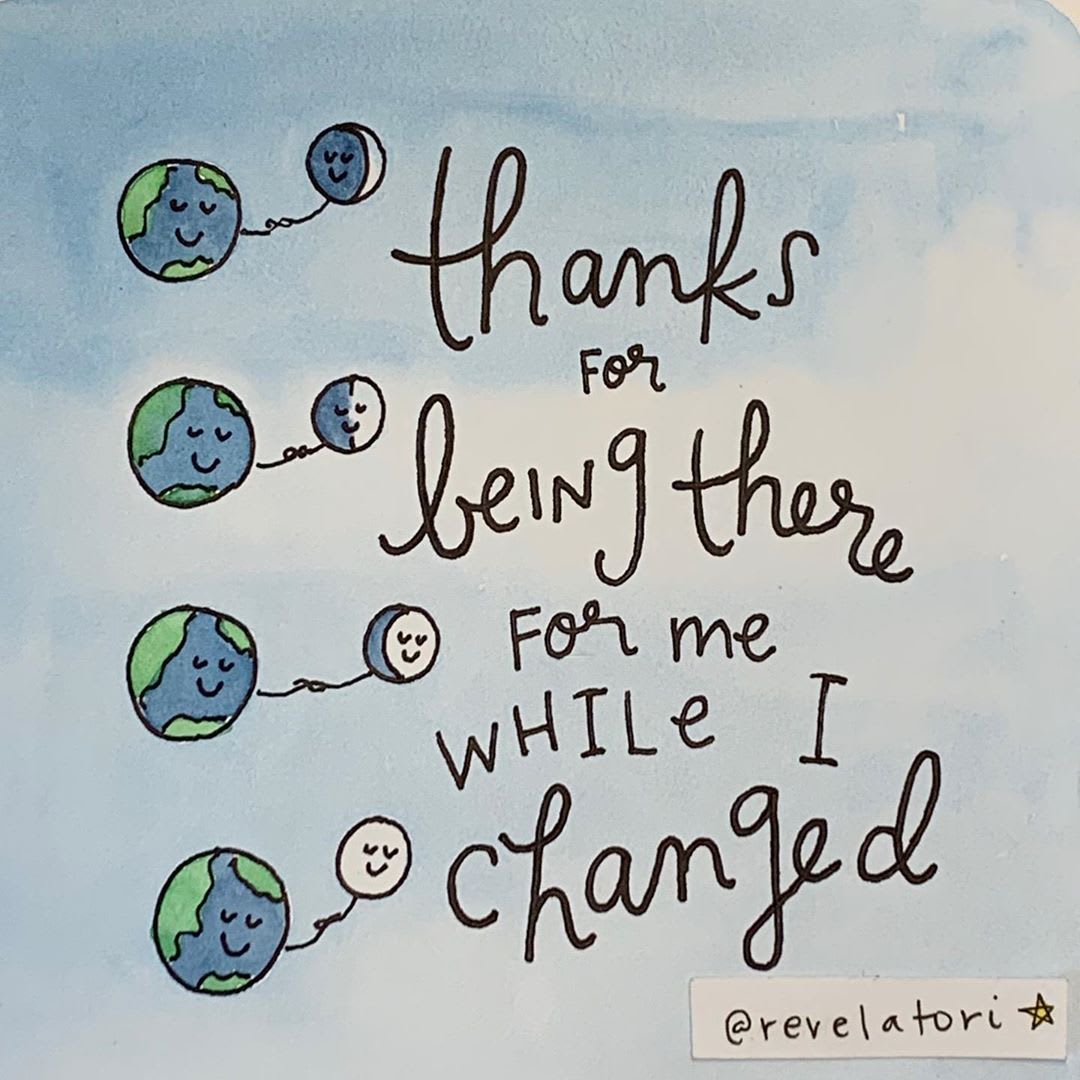
TP: I have been in and out of therapy for the better part of 20 years—I’ve had both good and bad experiences; right- and wrong-fit therapists. At the time I started Revelatori I was not actually in therapy, but had an inkling it was time for me to try going again. I was just working up the courage to make it happen. I started with my current therapist in the fall of 2017 and began drawing about my experiences in therapy a few months in, for the same reason I make all of my art—it helps me digest and process what I’m thinking about and going through, in and out of the therapy room.
I found my audience was even more responsive to my therapy stories—that there were other people out there who don’t tell their therapist everything, or that spend a whole session blabbing on before hitting on a deep personal truth five minutes before the session ends. That was a great feeling, to know that none of us are alone even in these therapy-room experiences that few people actually speak out loud about.
Lulus: Needless to say, it’s been a challenging year. How has therapy helped you cope?
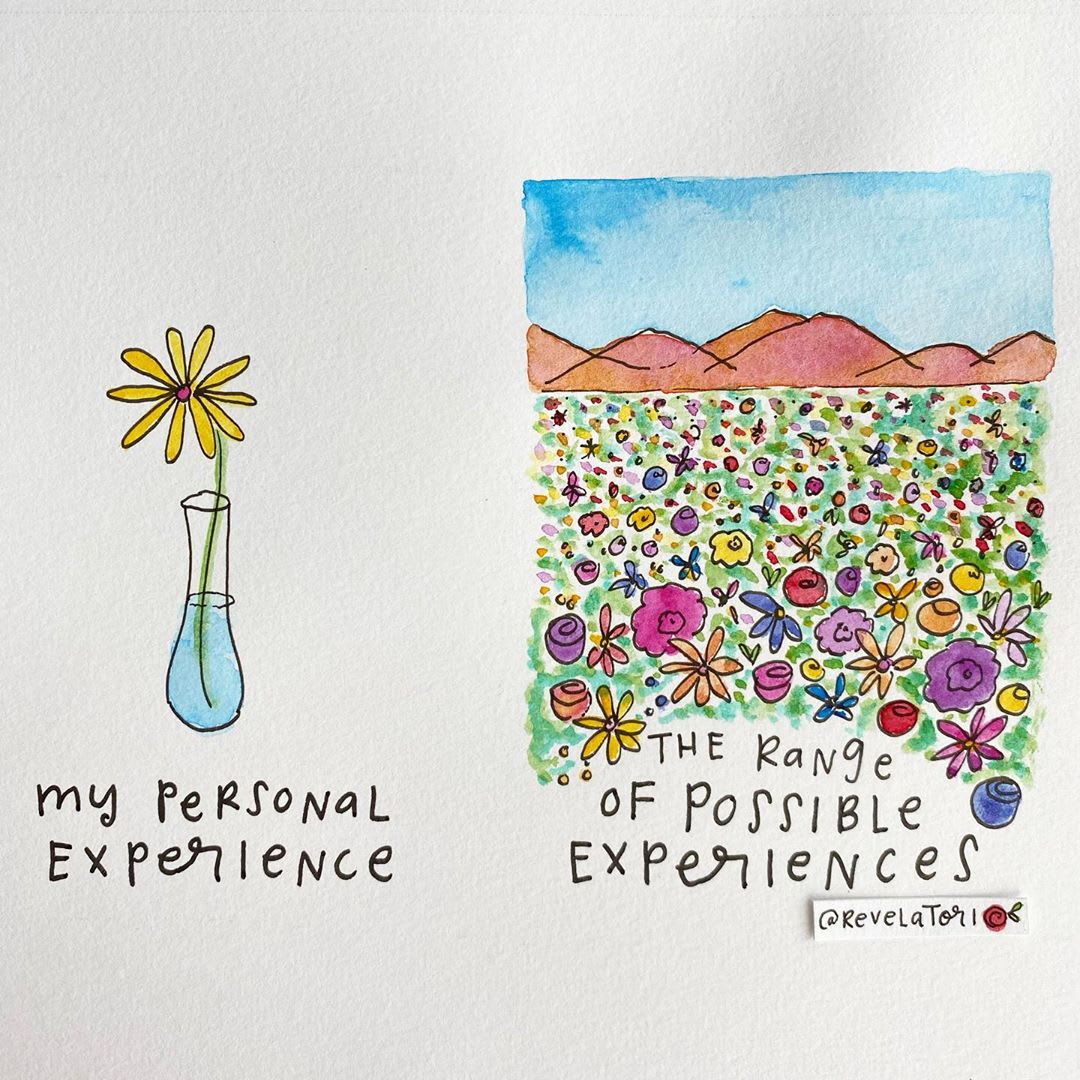
TP: My weekly meeting with my therapist is a lifeline—it’s been so helpful just to have someone to check in with, who can help me assess how my mental health is doing week-to-week (it changes that frequently!). In a time when I am so isolated from everyone I would normally talk to about what I’m experiencing (keeping in touch digitally during the pandemic isn’t easy for me), I really rely on her to help normalize what I am feeling.
Lulus: Why do you think destigmatizing mental health treatment is so important? And how can we all help do that?
TP: The stigma that surrounds mental health issues, and treatments for them like therapy and medication, stops so many people from seeking the help they need. I know because it’s stopped me before—both from starting therapy initially, and from going back for another stint in therapy (even when I knew I needed it). Mental health issues impact just about everyone—particularly in this time of unprecedented stress, fear, uncertainty, and isolation.
I think a really common belief is that you have to be in crisis, or reach a certain threshold of suffering before it is appropriate to seek mental health care— and this is absolutely false. We can all benefit from a compassionate, objective guide to help us navigate the tangled mess of our thoughts and emotions, particularly now. We should all know it is normal to struggle with unwanted feelings or intrusive thoughts.
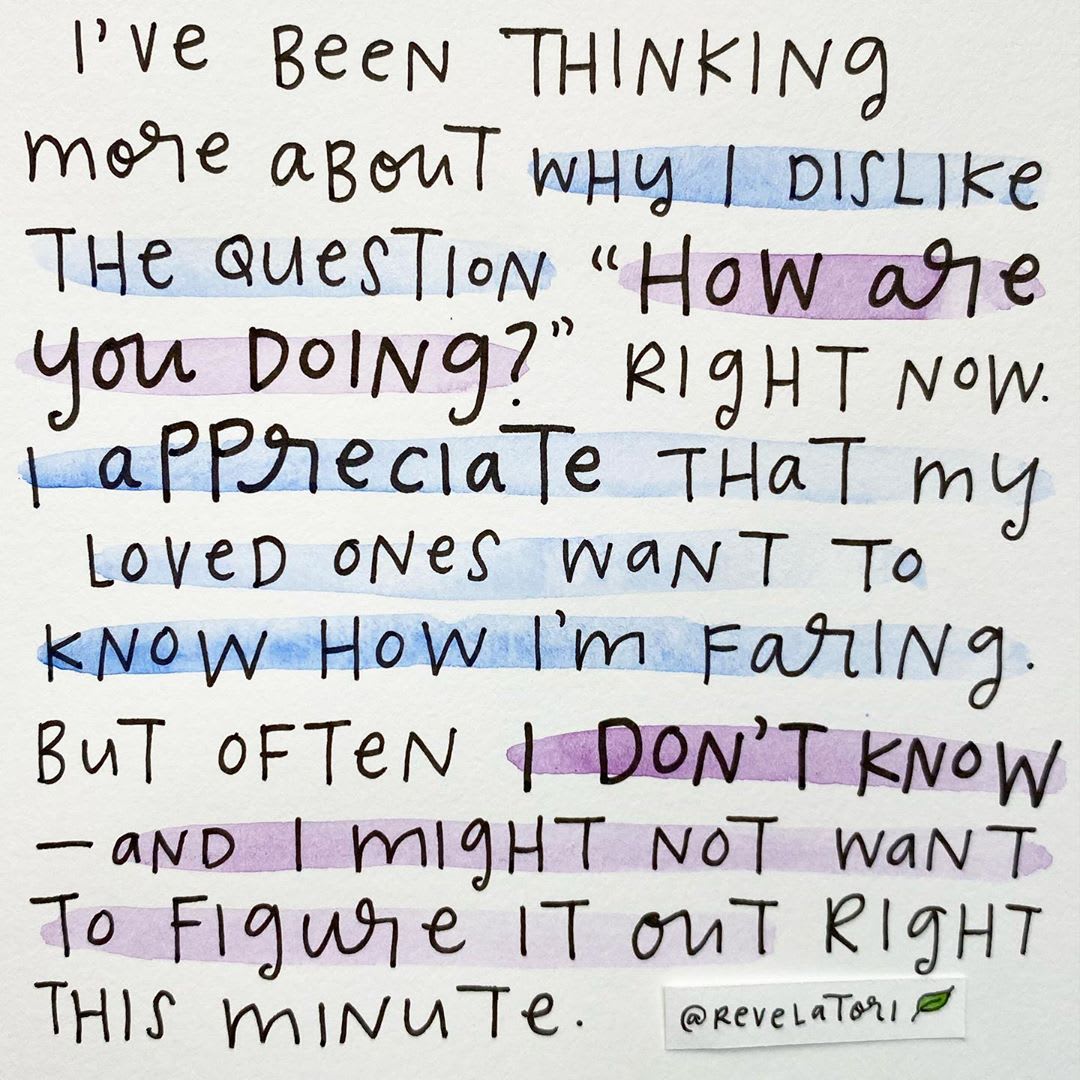
One small way everyone can help in destigmatizing mental health issues is just to talk about them. It doesn’t have to be in a public forum, though it can be. I have seen followers lifting each other up and reassuring one another with their own personal stories in my comments time and time again. But just speaking honestly to your friends and loved ones about your mental state is enough. Being honest with *yourself* about your mental state is enough. Acknowledging that everyone struggles and that struggle is normal goes a long way toward promoting acceptance of—and normalizing treatment for—mental health issues.
Lulus: Amen to that. How do you come up with ideas for what to illustrate and write about?
TP: Most of my stories are about something I am currently seeing or experiencing in my life. I like to look inside myself and see what is most tender, what is most sensitive and scared of being revealed—and gently explore those things. It’s often the topics I am most uncomfortable talking about that make the best stories.
Lulus: We love your honesty! You also have a book coming out–what is it about?
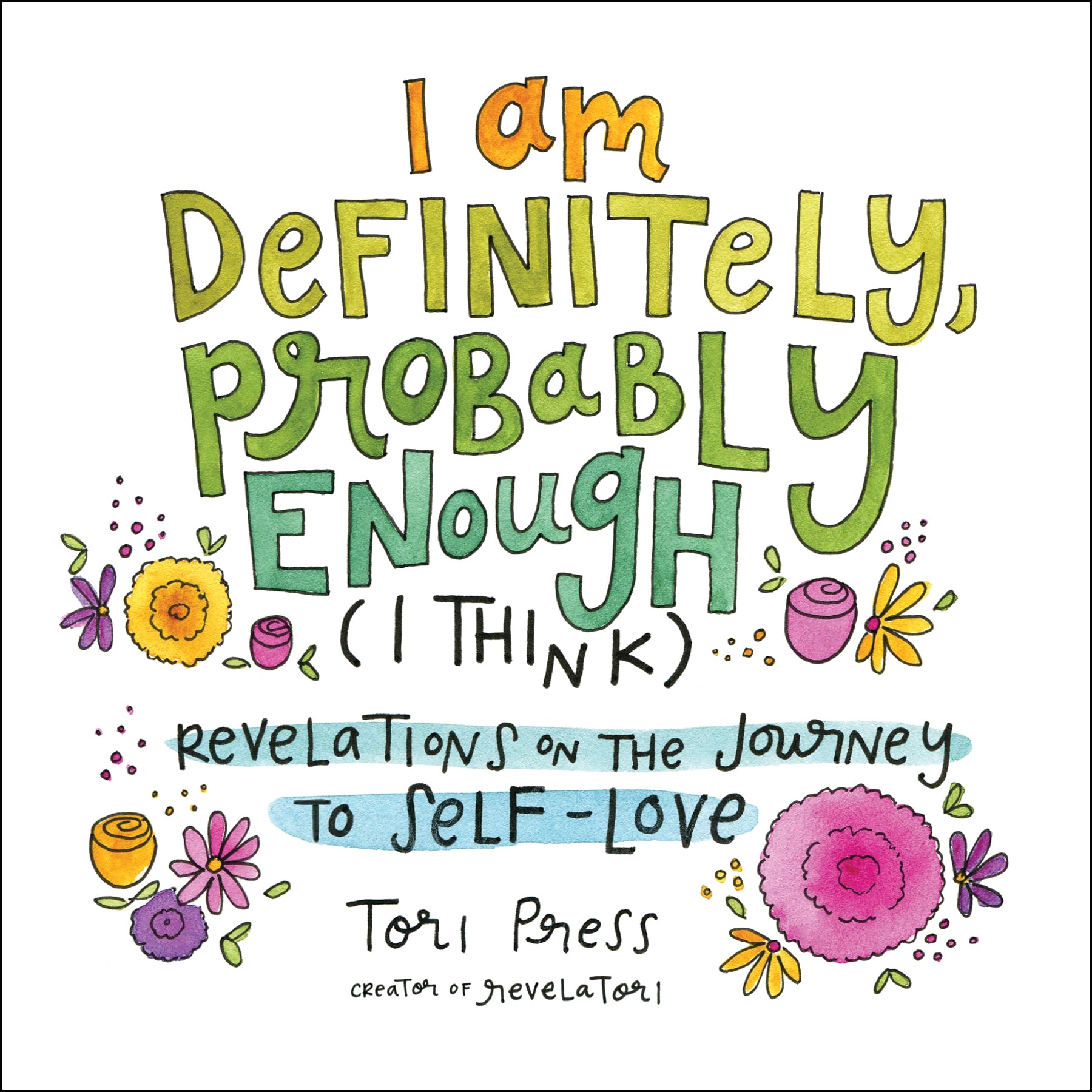
TP: I am Definitely, Probably Enough (I Think) is coming out November 10! It’s a little companion for anyone who is on the journey to self-love, and talks about many of the obstacles I’ve encountered (that I still encounter!) on my own journey toward self-acceptance and self-love. I talk about my struggles with negative self-talk, perfectionism, anxiety & depression, and about how therapy has helped me make (a little) peace with them.
Lulus: If there’s only one thing you wish your audience gets out of your work, what is it?
TP: The enduring message I would like to leave readers with is: You are perfectly, wholly enough, just as you are. You do not need to do anything or become anything. You are already there.
Lulus: Yes! Love that. Who are some of your other favorite IG artists?
TP: I find so much solace in the work of @morganharpernichols, and I love @underpantsandoverbites for her beautiful art and totally authentic weirdness. As a mom, I also love the beautiful, funny, and relatable work of Paula Kuka (@common_wild).
Lulus: What advice do you have for people wondering “Do I need a therapist?”
TP: If you are thinking of trying therapy—if you have even an inkling that you could benefit from it—my advice is to give it a shot. It’s scary to go for the first time, but it’s a huge step in self-advocacy and self-care. My other advice about therapy is not to settle for a therapist who isn’t the right fit. Therapy is a relationship. Like any relationship, you have to feel comfortable, at ease, and safe with your therapist in order to make progress with them. So don’t be afraid to change therapists after a few sessions! Your therapist wants the right fit for you, too.
How to find a therapist if you are struggling with therapy access: Check out openpathcollective.org for sliding-scale and reduced-rate therapists in your area.
Want to help in destigmatizing mental health issues? Tell us about your therapy experiences, therapy resources, and how treatment has helped you in the comments!
All images via Tori Press/Revelatori
Join The Conversation (0)